
Last updated November 18, 2026
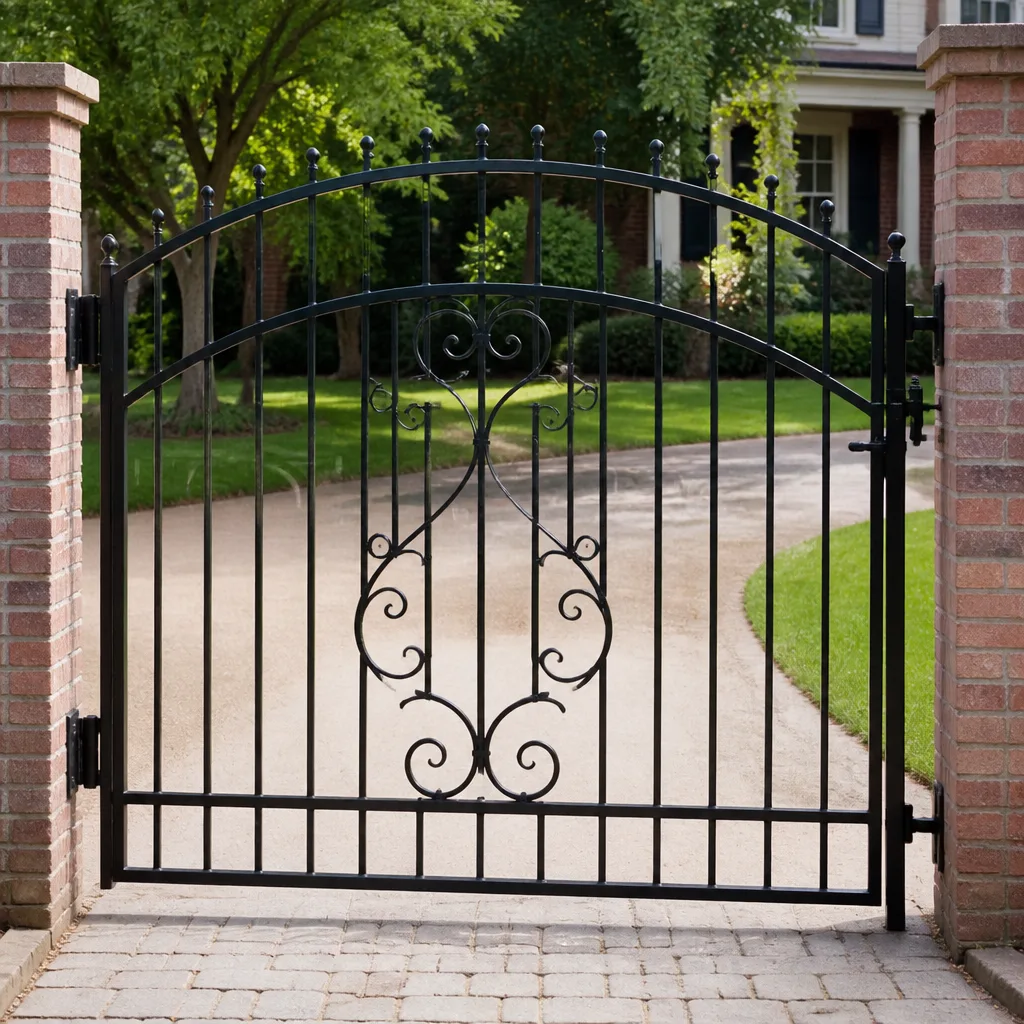 Wrought iron
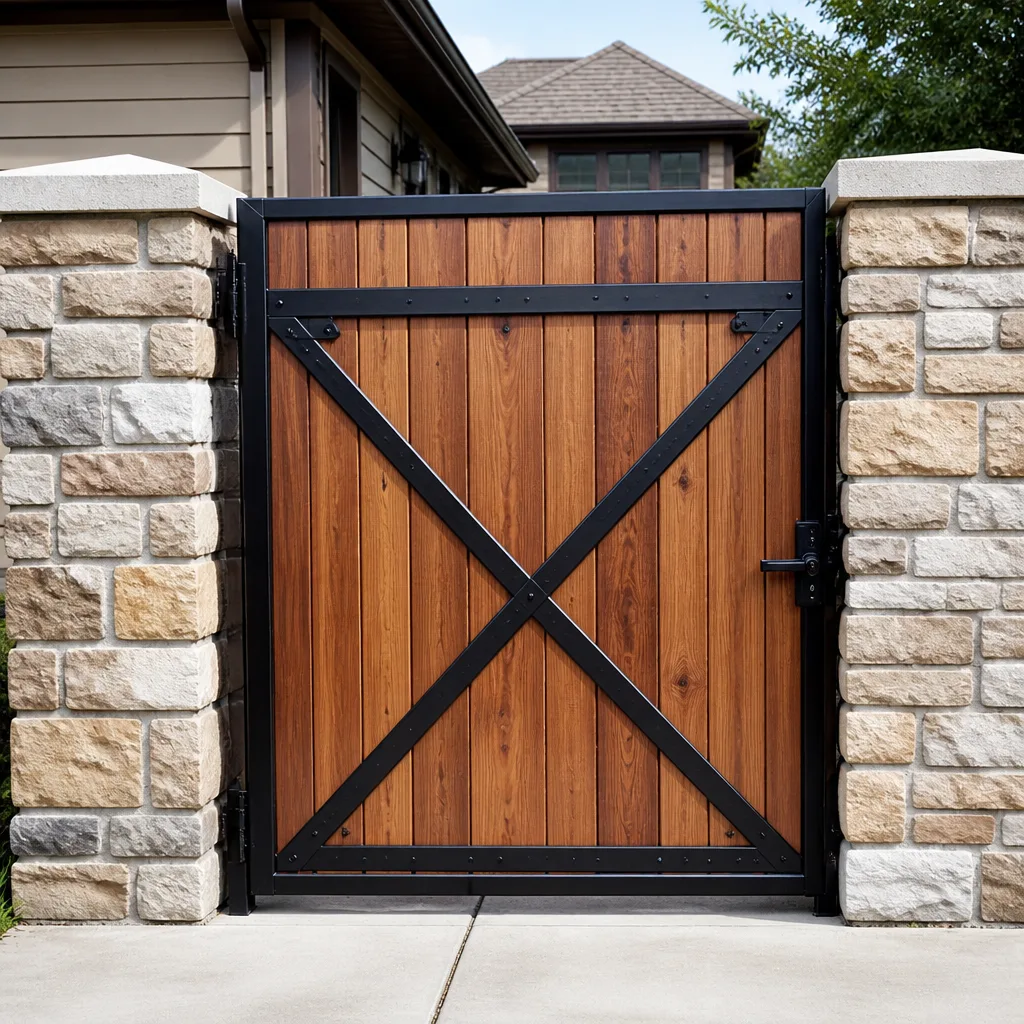 Wood & steel frame
 Farm & ranch
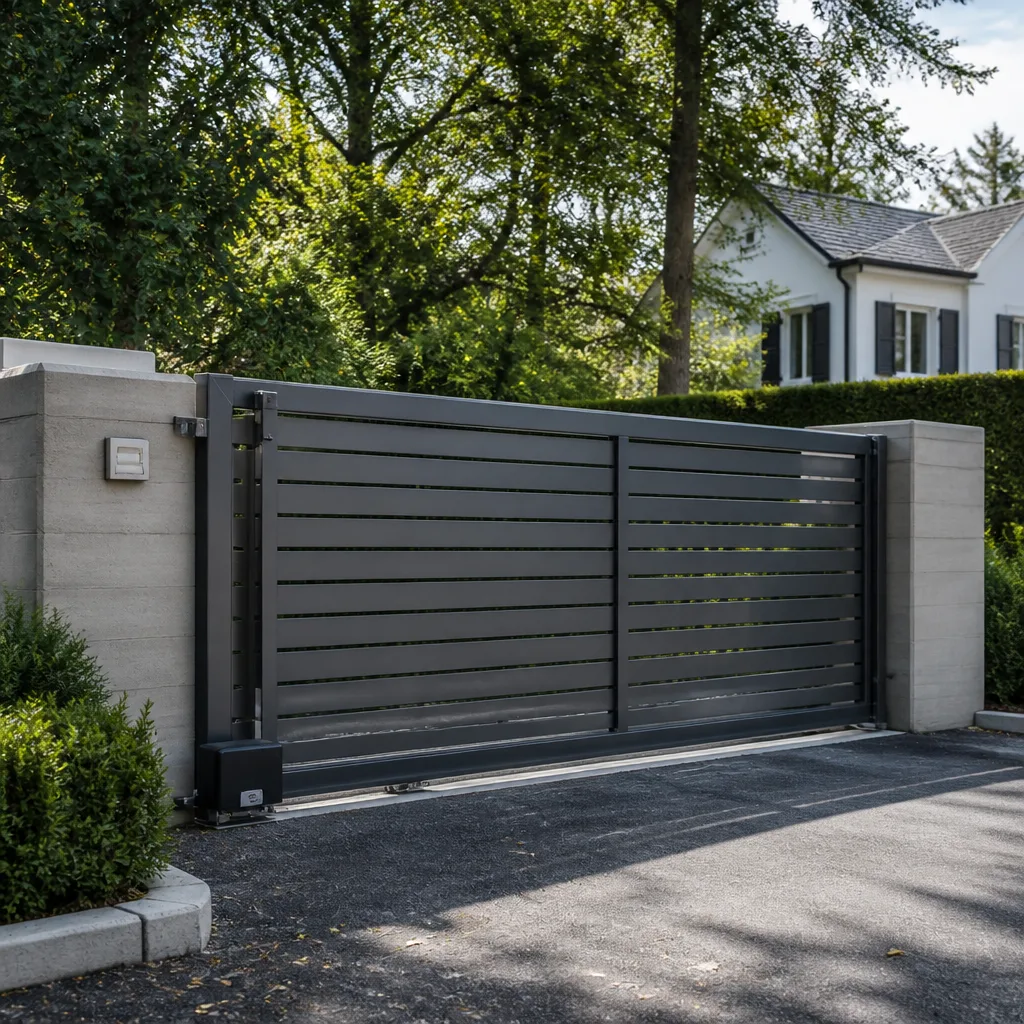 Sliding driveway gates
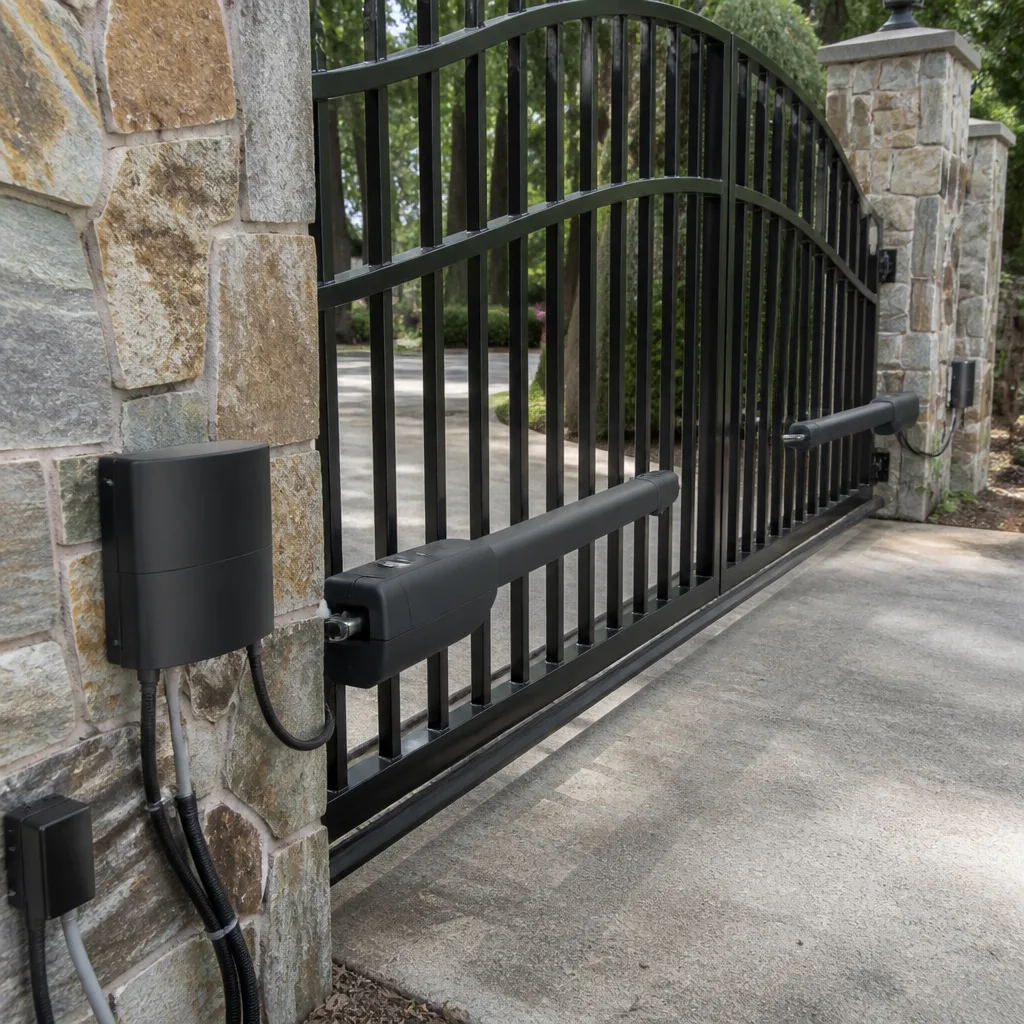 LiftMaster operators
Free on-site gate assessment - hinges, posts, and your LiftMaster or Nice gate operator checked before anything is quoted
The assessment is free and the quote is the invoice.
Get your free estimateGate Repair Warning Signs Every Homeowner Should Know
If your gate squeaks only on the upswing but not the downswing, that’s not random noise. It’s a specific hinge telling you one bearing surface is worn out, and it’s a cheap fix right up until the day it seizes and bends the hinge arm. We’ve watched that exact sequence play out in driveways all over Spring Valley, and the bill at the end is always bigger than the one at the start. Gates don’t fail suddenly. They give you weeks of warning through sounds and movements that most people write off as normal. This guide shows you how to read those signals, sort the urgent from the routine, and document what you’re seeing so a repair goes right the first time.
Quick Answer
The main gate repair warning signs are new or changing sounds (squeaks on one direction of travel, grinding, clunks), sagging at the hinge post, rust streaks below welds, hairline cracks at hinge plates, heaving concrete around posts, and a gate that closes slower than it used to. A slow close on an automatic gate is usually a failing motor capacitor, not the motor itself. Catch these early and you’re looking at a small repair; ignore them and you’re looking at a replacement.
Styles & brands we work with
- Wrought iron
- Wood & steel frame
- Farm & ranch
- Sliding driveway gates
- LiftMaster operators
Table of Contents
- What Your Gate’s Noises Are Telling You
- Visual Warning Signs That Are Easy to Miss
- Why a Slow-Closing Automatic Gate Isn’t a Motor Problem
- Urgent Safety and Security Signs vs. Signs That Can Wait
- How to Document the Problem Before You Call
- Why Spring Valley Gates Age the Way They Do
- What Brand You Own Matters for Diagnosis
What Your Gate’s Noises Are Telling You
Sound is the earliest signal a gate gives you, and it’s the one people dismiss the longest. A gate is a lever system, and every noise maps to a specific mechanical failure. Where the sound happens in the swing or slide matters as much as the sound itself. Here’s how we read them in the field.
- A squeak on the upswing but not the downswing. Load moves to one bearing surface on the way up. That surface is worn. This is a hinge pin or bearing, and it’s a small repair if you catch it before the pin seizes and the hinge arm bends.
- Grinding on an automatic or sliding gate. Usually the track, a roller, or the gear in the operator. Metal-on-metal grinding means something is losing material every cycle.
- A clunk at the start of travel. Backlash somewhere in the linkage or the operator arm. A clunk is looseness, and looseness compounds.
- A rattle on a windy day but silence when you open it. That’s a loose panel or a failing fastener, not a drive problem. Different repair.
- A high metallic screech that gets worse over weeks. Dry metal bearing. Grease buys you time; it doesn’t fix the worn part.
- A hum with no movement on an automatic gate. The operator is trying to move the gate and can’t. Stop cycling it. You’ll burn the motor out on top of whatever’s already broken.
Sound gets dismissed as “it’s always done that.” It hasn’t. Put a hand on the hinge post while the gate moves and you’ll feel the vibration move with the noise. That tells you where the failure lives, and it’s the first thing we ask about when you call Gatewood Fence & Gate.
Visual Warning Signs That Are Easy to Miss
Visual signs are quieter than sound, and by the time they’re obvious to a homeowner, the failure has usually progressed. These are the ones we look for on a walkaround before we touch anything.
- Rust streaking below a weld. A weld is failing and holding moisture. Rust below a joint is a stress crack forming under the paint. Weld repair on site is a real fix; a replacement panel isn’t needed if you catch it.
- Hairline cracks at a hinge plate. The plate is bolted to the post and cracking at the bolt hole means the post is moving under load. A sagging gate sags in the hinge post, not in the middle, and hinge plates are where you see it first. Fix the panel without the post and you’ll fix it twice.
- Concrete heaving around a post base. Frost, moisture, and root movement push the concrete up and the post with it. A post that has lifted out of level by a fraction of an inch throws the whole gate out of alignment.
- A gap at the bottom of the gate that changes with the weather. That’s ground movement, not a sag. It still has to be dealt with because a dragging gate tears at everything upstream.
- Buzzers or beacons on an automatic gate that fire intermittently. Usually a loose connection at the safety edge, and an intermittent safety edge is a real hazard when kids or pets are around.
- Paint lifting in pockets rather than evenly. Moisture has gotten inside the tube. Once a tube frame starts rusting from the inside, welding is your friend and replacement is the alternative.
Walk your gate once a season. Push on the hinge post. Look along the top rail. Rub a hand over the welds. Five minutes now saves weeks later. When you need real repair rather than a swap, see Gate Repair in Spring Valley for how we handle it.
Why a Slow-Closing Automatic Gate Isn’t a Motor Problem
When an automatic gate closes slower than it used to, most homeowners jump straight to “the motor’s dying.” That’s usually wrong, and it’s the most expensive wrong guess you can make. A slow close is nearly always a failing motor capacitor, not the motor itself.
A capacitor is what gives the motor the extra jolt it needs to start and run at speed. When it weakens, the motor still turns, it just turns slower and runs hotter. Run it that way for a few more months and heat kills the winding, and now you actually do have a motor problem. Replacing the capacitor is cheap. Replacing the operator isn’t. The diagnostic is: is the gate slow and steady, or is it slow and straining with a hum? Slow and steady points to the capacitor. Slow with a hum and heat points to the motor or the wiring.
Other slow-close causes we check for before blaming anything electrical:
- Bound track or a worn roller. Friction from a bad roller reads as a motor problem. Check the rollers first.
- Sagging gate. The operator is fighting gravity. That’s a hinge repair, not an operator repair.
- Loose drive chain or belt. Slack chain doesn’t deliver torque efficiently, so the gate moves slower.
- Safety edge or loop interference. The operator thinks the gate is obstructed and derates on purpose.
If your LiftMaster or FAAC operator is slow-closing, don’t swap the whole unit on a hunch. A certified technician can test the capacitor and the drive in minutes. See Gate Motor & Opener in Spring Valley to book a diagnostic.
Urgent Safety and Security Signs vs. Signs That Can Wait
Not every warning sign means a call today. Sorting urgent from routine saves you both money and unnecessary panic. Here’s how we draw the line.
Call Now – Safety or Security Risk
- An automatic gate that reverses unexpectedly, or doesn’t reverse at all when the safety edge is pressed.
- Safety edge, photo eye, or safety loop that’s intermittent or dead. This is a real hazard when kids or pets are nearby.
- A hinge plate that’s cracked at the bolt hole with visible post movement. If the gate swings free, someone gets hurt.
- Post grouting or concrete that has failed to the point the post is leaning. A leaning post can drop a gate without warning.
- Any gate that hums but doesn’t move. Stop cycling it and call.
- A gate on a slope that won’t hold position, or a fail-safe gate that won’t fail.
Schedule a Visit – Can Wait a Week or Two
- Squeaks, rattles, and noises without movement or structural failure.
- Cosmetic rust that isn’t below a weld or a fastener.
- Paint lifting in pockets without structural softness.
- Slow close on an automatic gate at the early stage.
- A gate that needs its track cleaned and greased.
- Loose hardware that’s still holding.
When in doubt, call. Gatewood Fence & Gate answers the phone with a live person 24/7, so you’re not guessing about urgency on a screen. The worst outcome of a call is finding out it can wait.
How to Document the Problem Before You Call
A good photo and a clear description get you a realistic quote over the phone instead of a vague “somewhere between X and Y.” This is the single best habit a homeowner can build.
- Photograph the whole gate. Full frame from ten feet back, both sides of the property if you can. We need to see the gate in context, not a cropped detail.
- Photograph the specific area. Close-up of the squeaking hinge, the rust streak, the crack, the post base. Fill the frame.
- Photograph the operator. The motor unit, the arm, the safety edge, the control box. If it’s a LiftMaster, FAAC, Elite, or Mighty Mule, get the model plate in a shot.
- Record a short video with sound. Ten seconds of the gate cycling. This tells us more than any description.
- Write three sentences. What’s it doing? When did it start? What have you tried? Write them down before you dial.
- Note the conditions. Cold morning, hot afternoon, after rain, always. Weather tells us a lot about whether it’s a post issue or an operator issue.
Send those six items to the person quoting the work and you’ll be talking dollars rather than a fishing expedition. Every job from Gatewood Fence & Gate gets a firm number agreed before any work starts, stamped with the 90-Day Done Right Promise in writing. There’s no surprise invoice at the end, and that’s a promise a homeowner can hold us to.
Why Spring Valley Gates Age the Way They Do
Spring Valley sits in a desert climate, and that changes what fails and how fast. The sun side of a gate is doing a different job than the shade side, and you’ll see it within a few seasons.
- Sun exposure on the south and west faces. Powdercoat and paint fade first on the sun side, then lift. Once paint lifts, moisture gets in and the tube frame rusts from the inside. A rust streak on the north face usually means a much bigger problem than the same streak on the south.
- Monsoon season. The summer rains do more damage in three weeks than the rest of the year combined, especially to post bases. Concrete that survived all spring can crack and heave in one storm.
- Winter cold snaps. Metal contracts and hinge clearances tighten overnight. That’s why a squeak that’s been there for months suddenly becomes a grinding noise on the first cold morning.
- Dry heat and dust. Grease dries out faster here than in wetter climates, and dry bearing surfaces wear metal. A gate that gets greased twice a year in a wetter state needs it every season out here.
- Neighborhood-to-neighborhood differences. A gate in a wind-exposed pocket ages differently than one sheltered by a block wall, and we see the difference in which side of the gate fails first.
None of that is exotic; it’s just what 25 years of Spring Valley gate work teaches you. It’s why we look at the sun direction, the wind exposure, and the storm history before we write an estimate.
What Brand You Own Matters for Diagnosis
Different gate operators fail in different ways, and knowing your brand shortcuts the diagnostic. Gatewood Fence & Gate is certified to service nine major gate brands: LiftMaster, FAAC, BFT, Linear, Viking, Ghost Controls, DoorKing, Elite, and Mighty Mule.
A few of the patterns we see most in Spring Valley:
- LiftMaster operators tend to telegraph capacitor failure clearly with the slow close, which makes for a cheap repair if you catch it.
- FAAC operators will often throw an error code before the physical failure shows up, so a photo of the code gets you a head start.
- Elite and Mighty Mule residential operators often present as “slow and straining” when the real problem is a sagging gate the operator is fighting.
- DoorKing commercial-grade operators tend to survive mechanical wear and fail on the access control side, which is a different diagnostic entirely.
Grab the model plate off the operator before you call. If your operator is due for a repair or replacement, see gate motor and opener service for how a full diagnostic goes.
Common Mistakes to Avoid
- Greasing a squeak and calling it fixed. Grease buys time; it doesn’t fix the worn part. It covers the symptom so you don’t notice the failure progressing, and the eventual repair is more expensive.
- Replacing the operator when the gate is the problem. A new operator bolted onto a sagging gate wears out three times faster. Fix the gate first, then the operator.
- Letting a national outfit talk you into a full replacement for a weld-and-repair. We repair on site, in your driveway, because hauling a gate off to a shop or swapping parts that don’t need swapping is how a $300 repair turns into a $3,000 replacement.
- Ignoring the safety edge. A safety edge that’s intermittent is a genuine hazard when kids or pets are nearby. It is not a nuisance. Stop using the gate until it’s fixed.
- Not documenting the problem. A vague call gets a vague quote. A photo and a 10-second video gets a real number.
- Skipping the post. If the hinge post is moving, no amount of hinge-and-latch repair will hold. The post has to be part of the fix.
- Hiring the cheapest quote without verifying the name. Cheap quotes tend to disappear when something goes wrong at 9pm on a Friday. A published address and a name on the shop mean somebody will answer.
See the difference
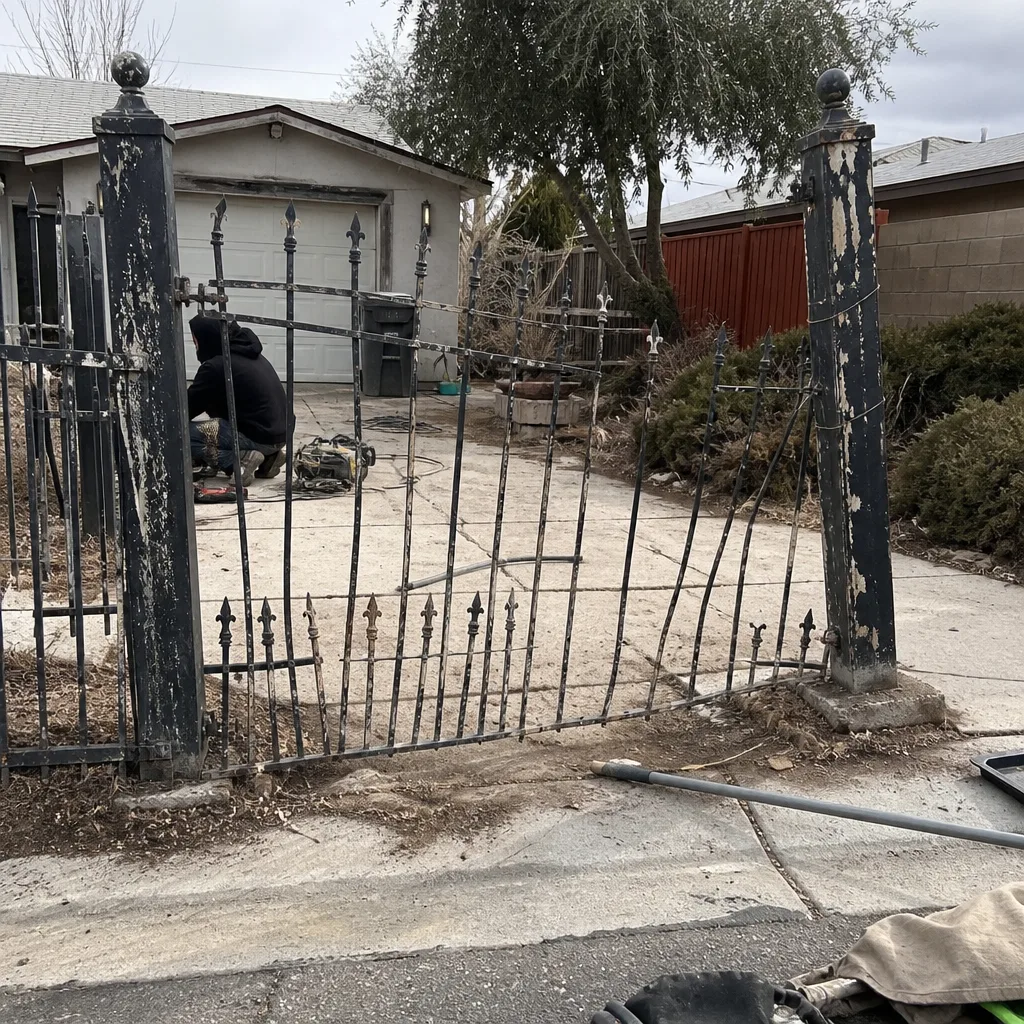 Before
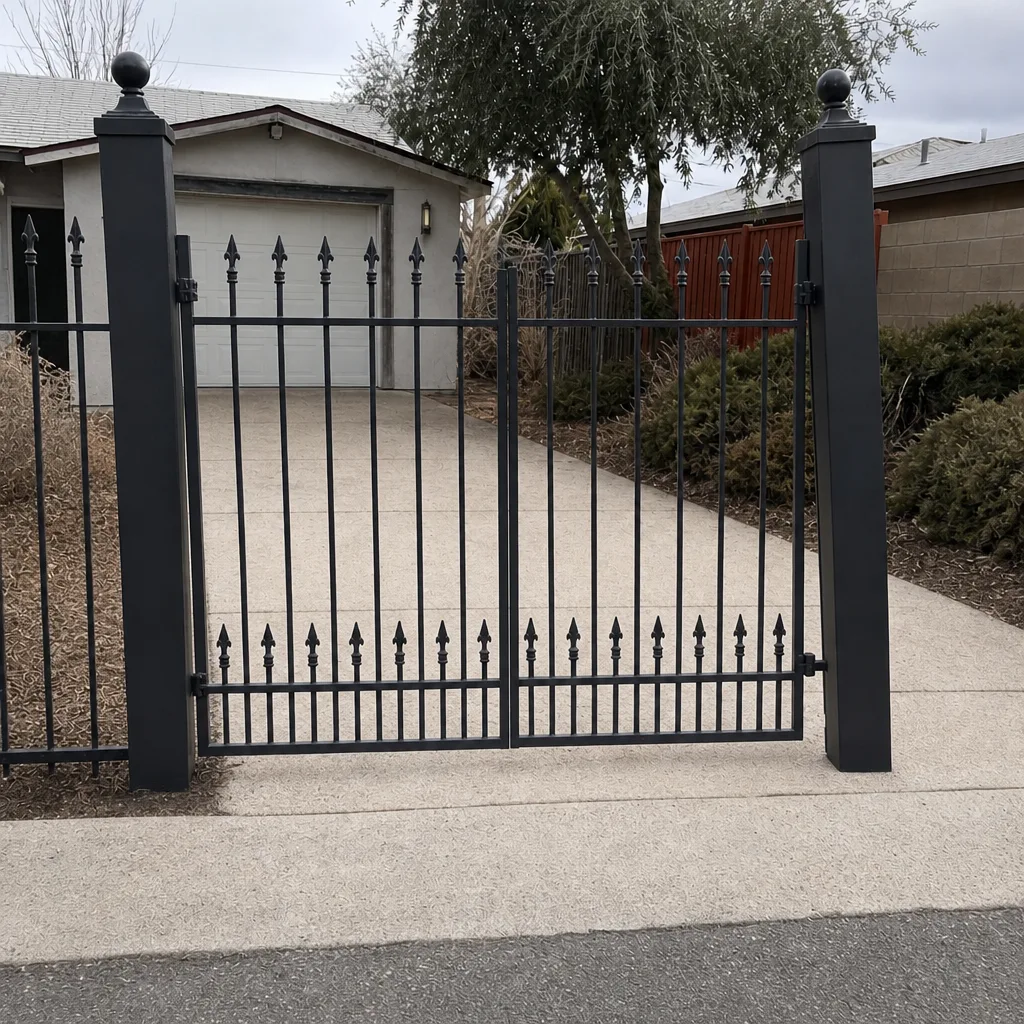 After
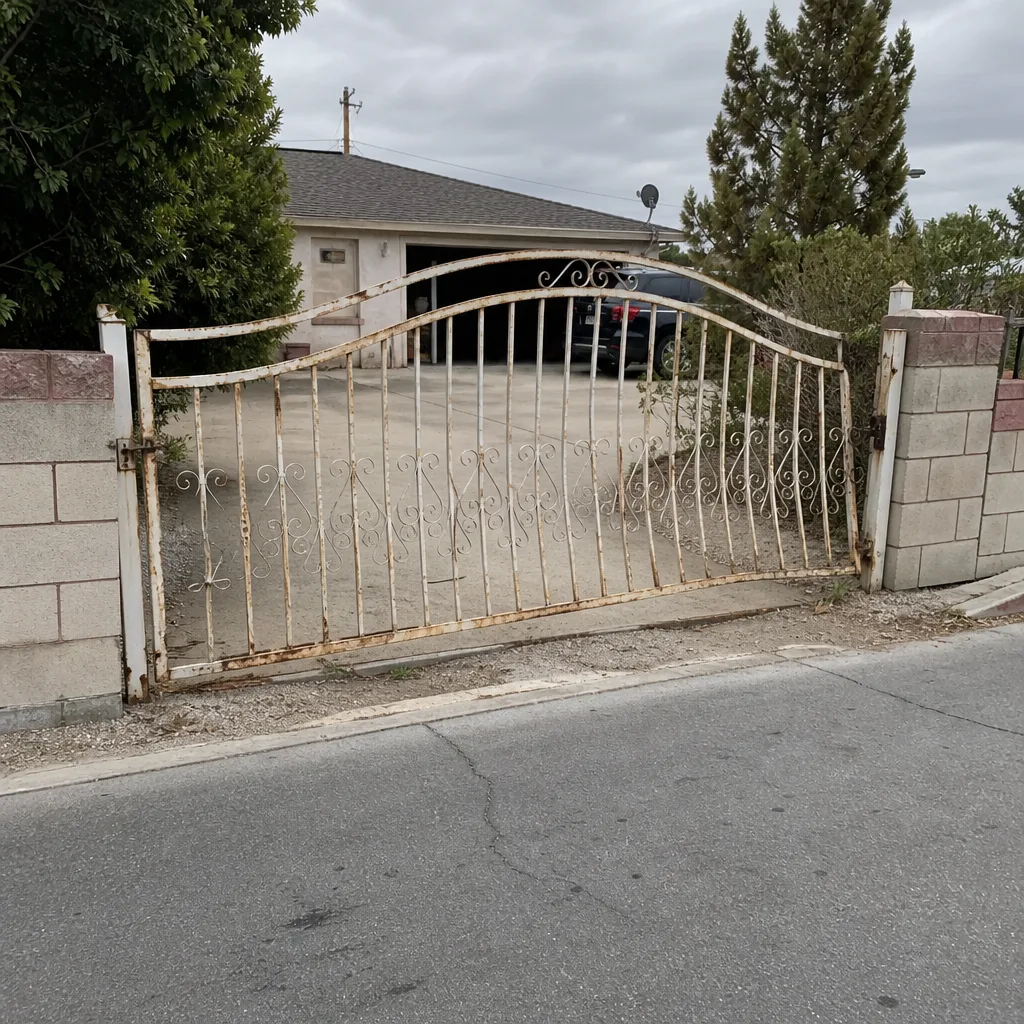 Before
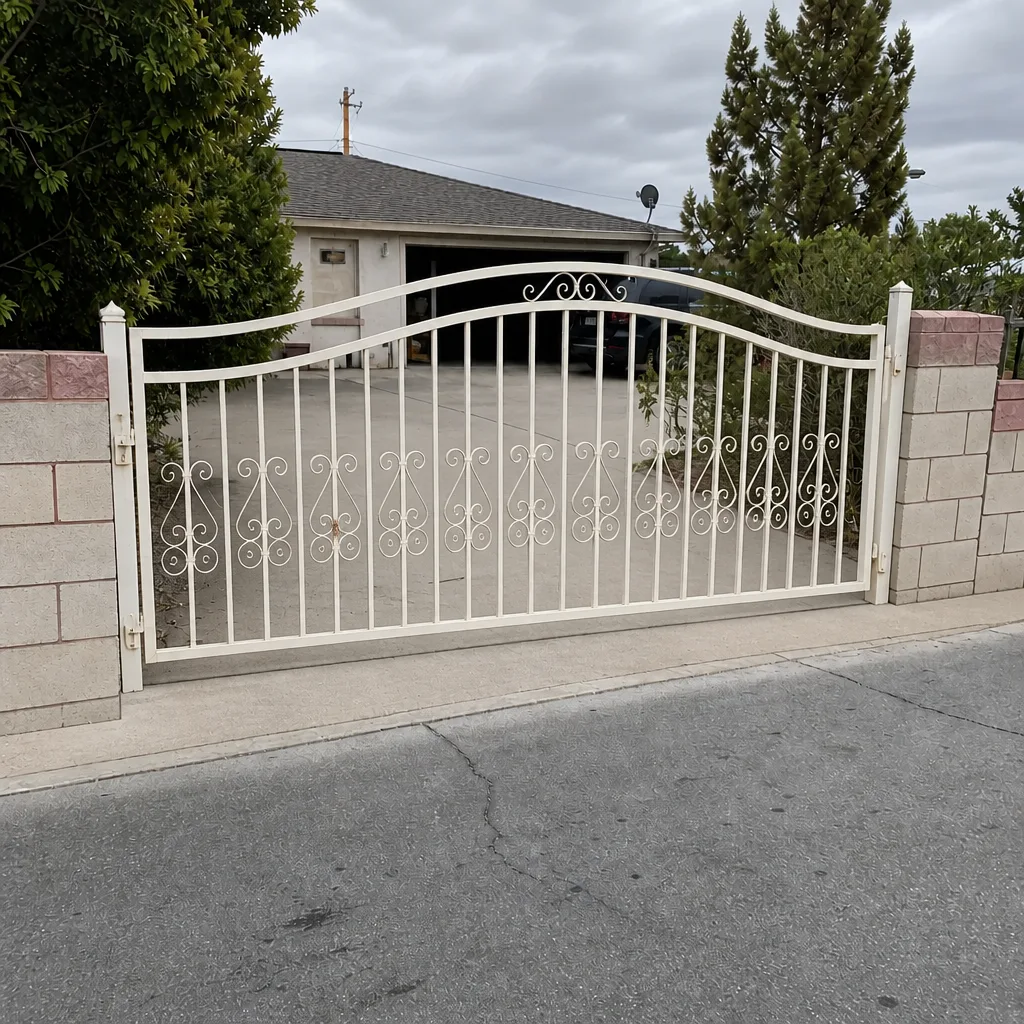 After
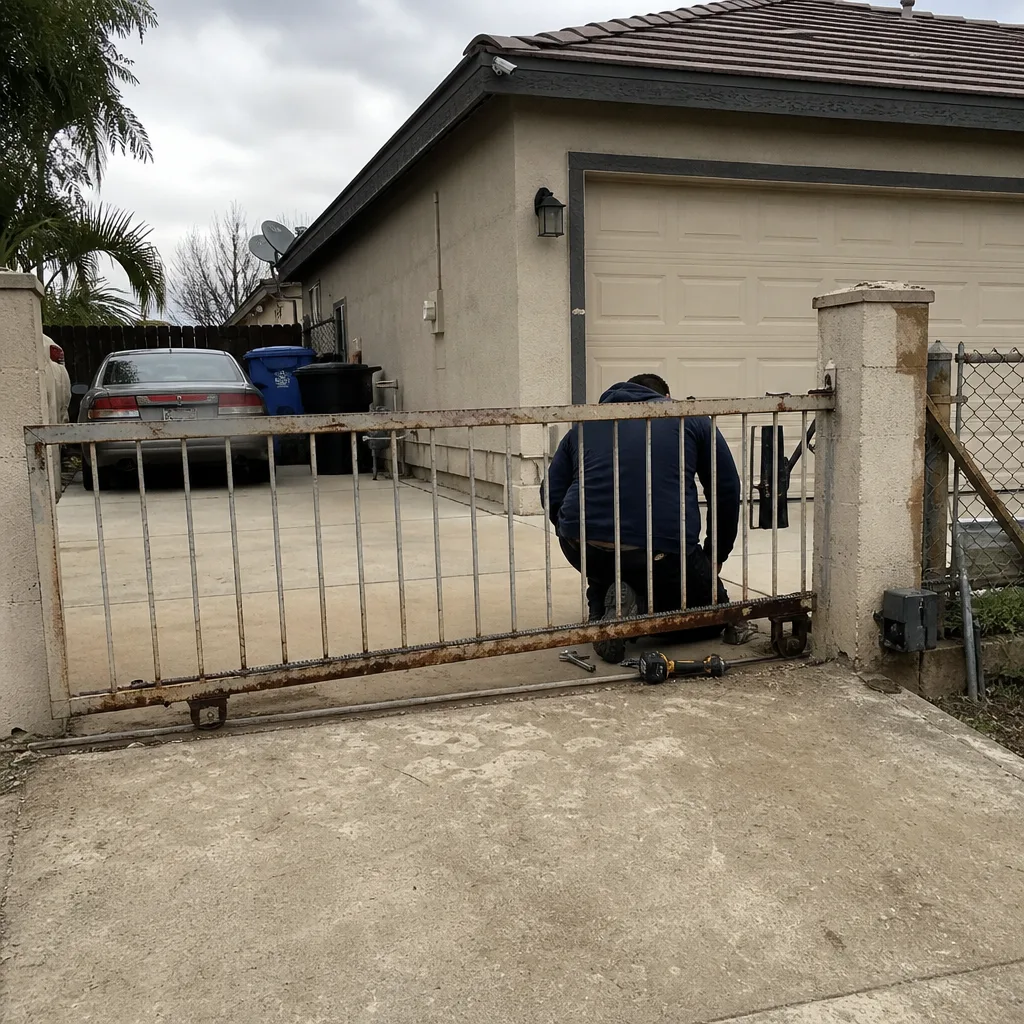 Before
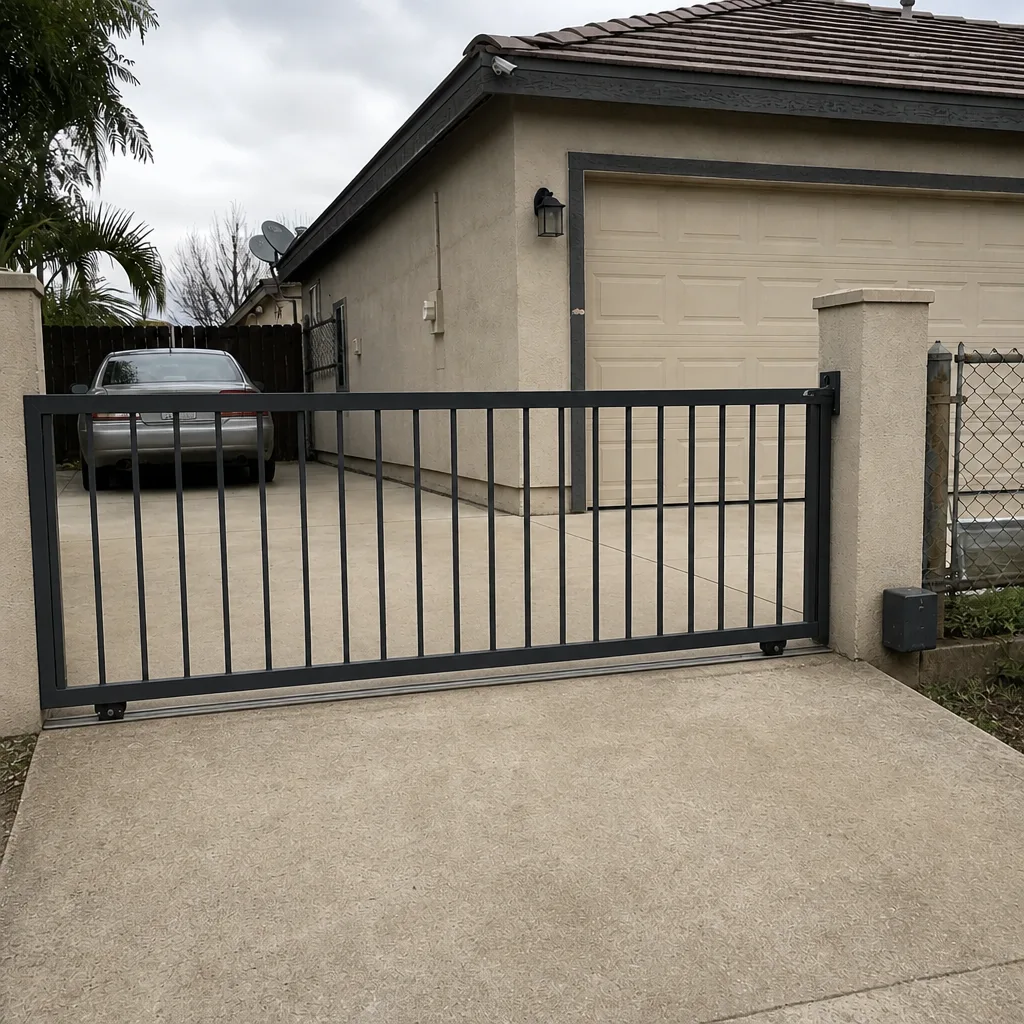 After
When to Call a Professional
Call a professional for anything involving the operator, the safety edge, the electrical run to the gate, or a hinge post that’s moving. Those are the four zones where a homeowner can turn a routine repair into a serious injury or a bigger bill. Springs, cabling, and high-load hardware on a gate are dangerous to handle with improvised tools, and there is no version of “I’ll just tighten it up” that ends well. On anything mechanical that’s already moving metal, call. The cost of a diagnostic is small compared to the cost of a gate that fails with the wrong person nearby.
Gatewood Fence & Gate offers free estimates in Spring Valley and can be reached at (888) 300-3906. A live person answers around the clock, and standing offers like $40 off any repair over $200 and no trip charge inside the county are there without any haggling.
Frequently Asked Questions
The first sign is usually a new sound: a squeak on one direction of travel, a grind, or a clunk at the start of movement. Sound shows up weeks before visual damage is easy to see, and it tells you which component is wearing. If you can, record it and note when it happens.
Usually not. A slow, steady close with no hum points to a failing capacitor, which is a small repair. A slow, straining close with a hum and heat points to the motor or wiring. Getting it diagnosed before the motor burns out is what saves you from a replacement. Call (888) 300-3906 for a diagnostic.
Most gate issues are repairable if the post and frame are sound. A weld, a hinge, a capacitor, or a safety edge fix keeps the gate and saves the cost of a new one. Replacement makes sense when the tube frame has rusted from the inside out or the post is beyond repair. We repair on site in your driveway when the gate allows it, and we’ll tell you honestly whether it’s worth repairing.
For minor items like cleaning a track, greasing a hinge, or clearing debris, yes. For the operator, the safety edge, the electrical run, or anything involving springs and high-load hardware, no. Those are the four zones where an experienced technician should be the one working. Electrical and spring-loaded gate hardware can cause serious injury.
Most residential gate repairs in Spring Valley fall in the $150 to $600 range depending on the part and whether welding is involved. The exact number is quoted and agreed before any work starts, so there’s no invoice surprise at the end. Every job is covered by the 90-Day Done Right Promise in writing. Call (888) 300-3906 for a free estimate.
Likely. Gatewood Fence & Gate is certified to service nine major gate brands including LiftMaster, FAAC, BFT, Linear, Viking, Ghost Controls, DoorKing, Elite, and Mighty Mule. Photograph the model plate on your operator and we can tell you before we come out.
The Bottom Line
Your gate gives you weeks of warning before it fails, and the warning is in the sounds and movements you’ve been writing off as normal. A squeak on one direction of travel is a worn hinge pin. A slow close is a leaking capacitor. A rust streak below a weld is a stress crack forming under the paint. Read those signals early and you’re looking at a small repair. Ignore them and you’re looking at a replacement. Walk your gate every season, document what you see, and call when something moves the wrong way. We’d rather talk you out of an urgent job than discover one later. For a free estimate in Spring Valley, call (888) 300-3906.
Planning a new gate rather than a repair? See Gate Installation in Spring Valley for how a measure and a written price work. And if you need a starting point on parts and options, our Gatewood Fence & Gate Spring Valley home page lays out what we handle.
Written by the team at Gatewood Fence & Gate Spring Valley.