
Last updated November 18, 2026
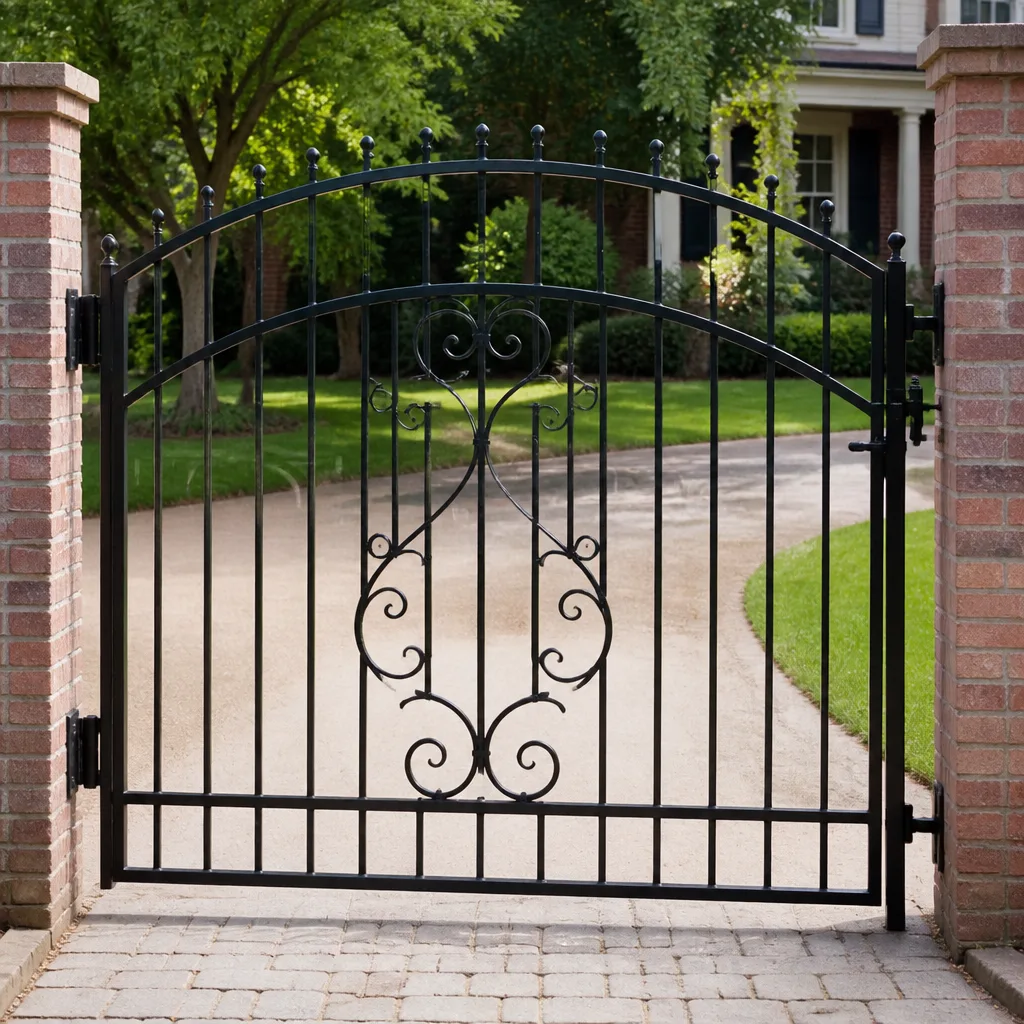 Wrought iron
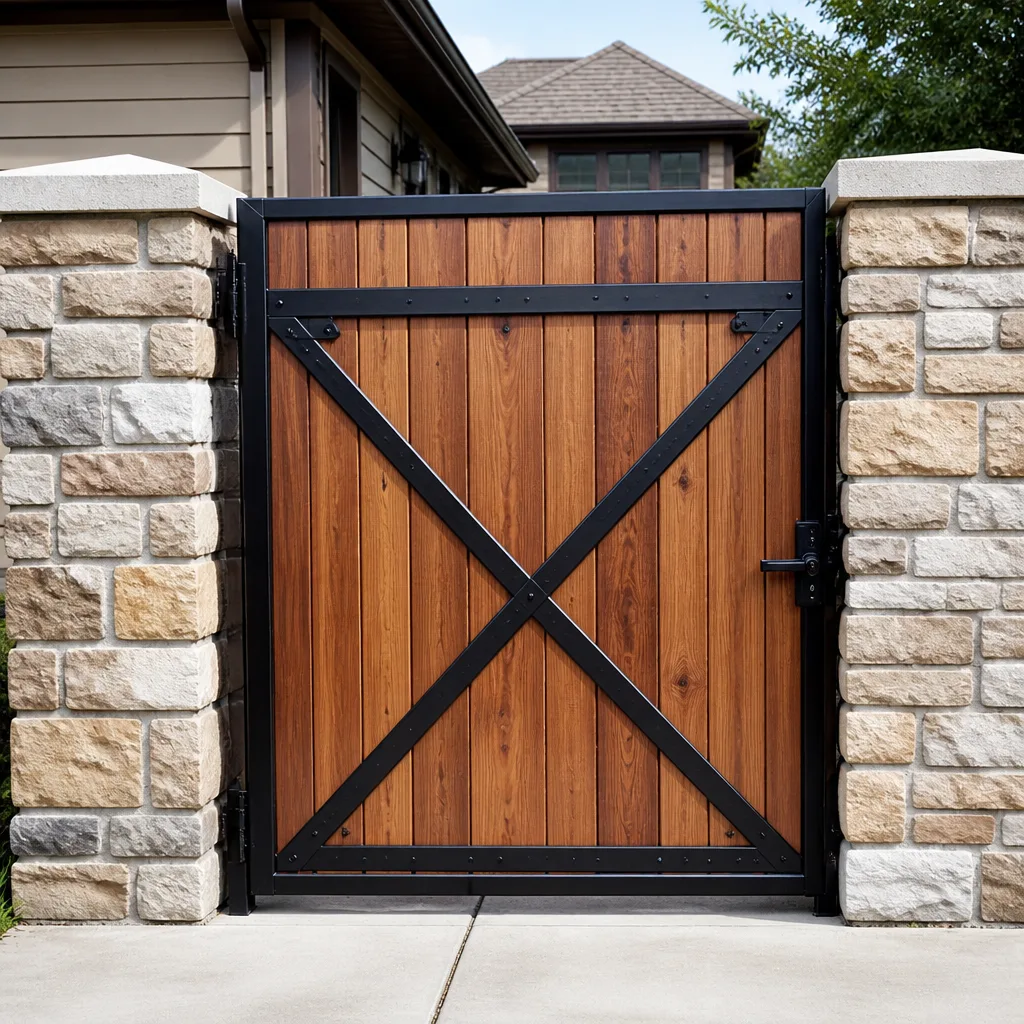 Wood & steel frame
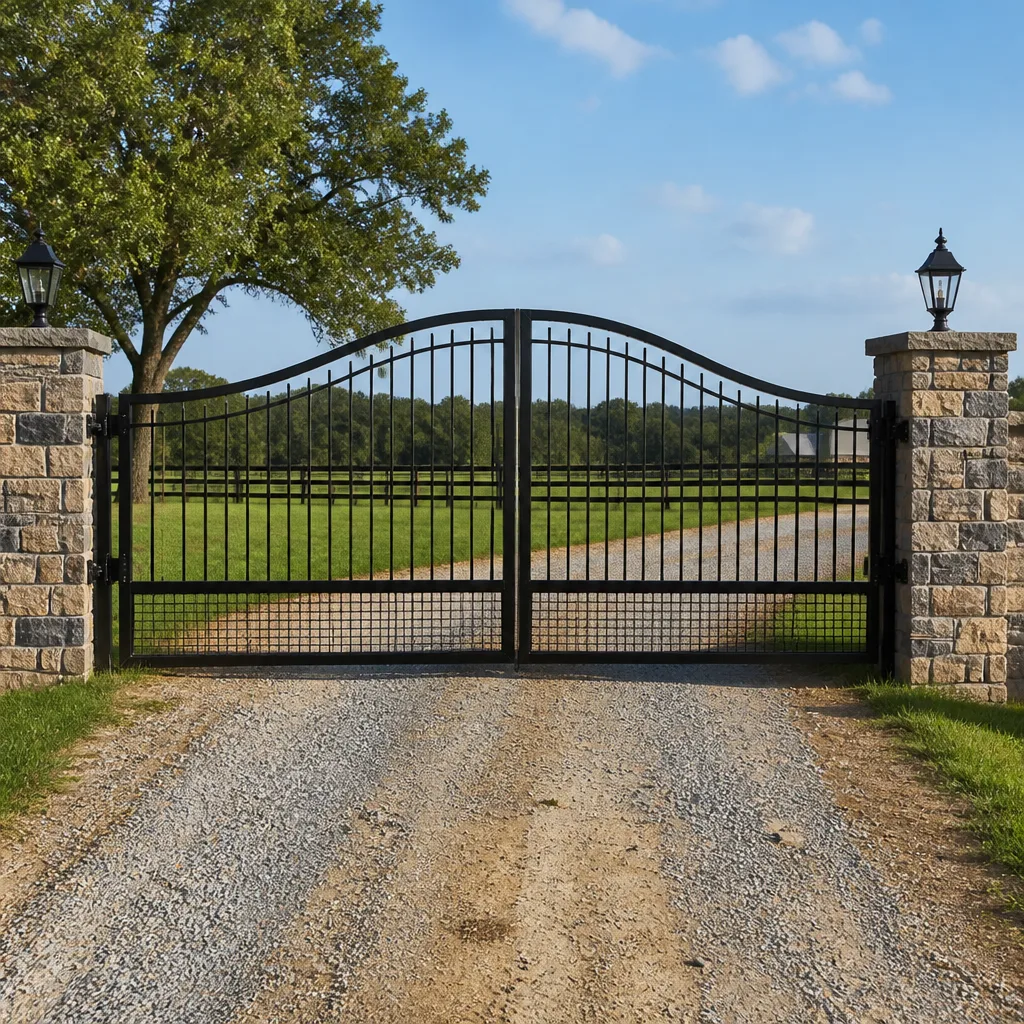 Farm & ranch
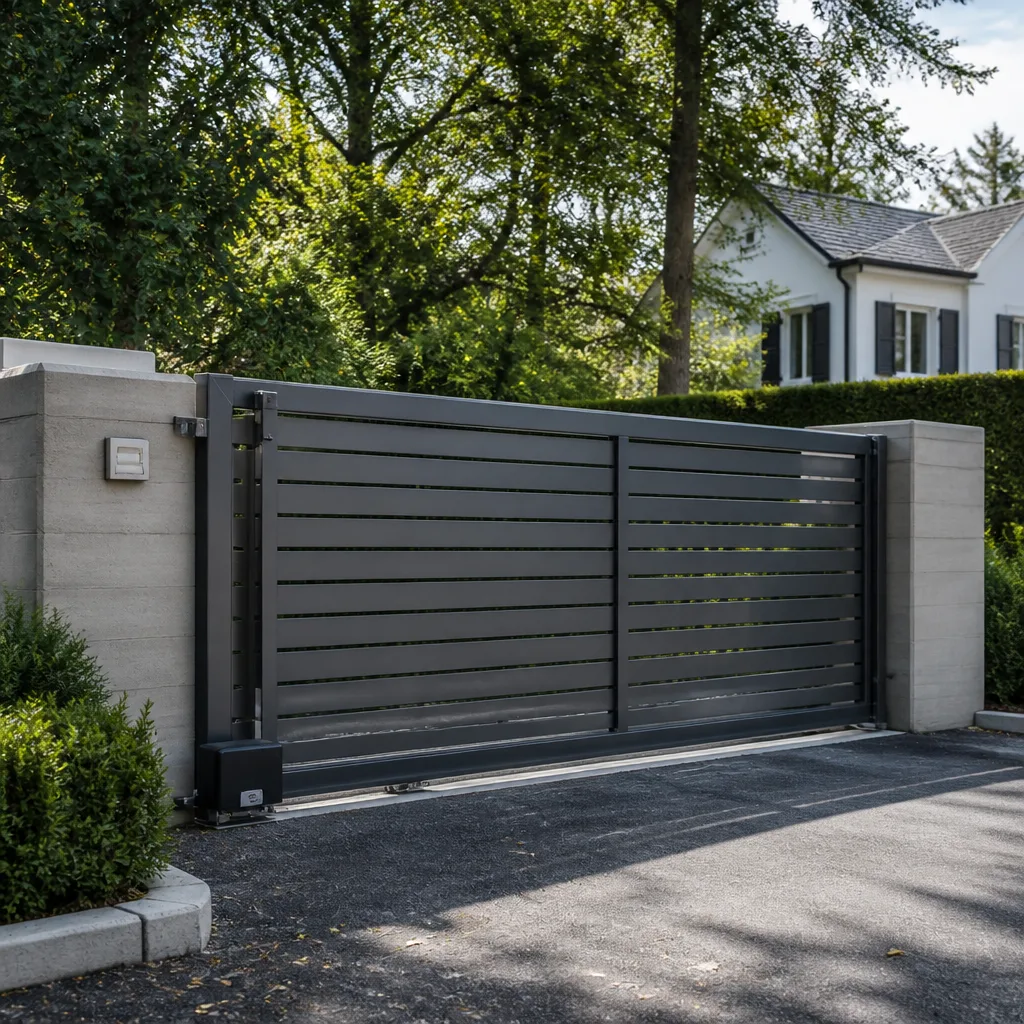 Sliding driveway gates
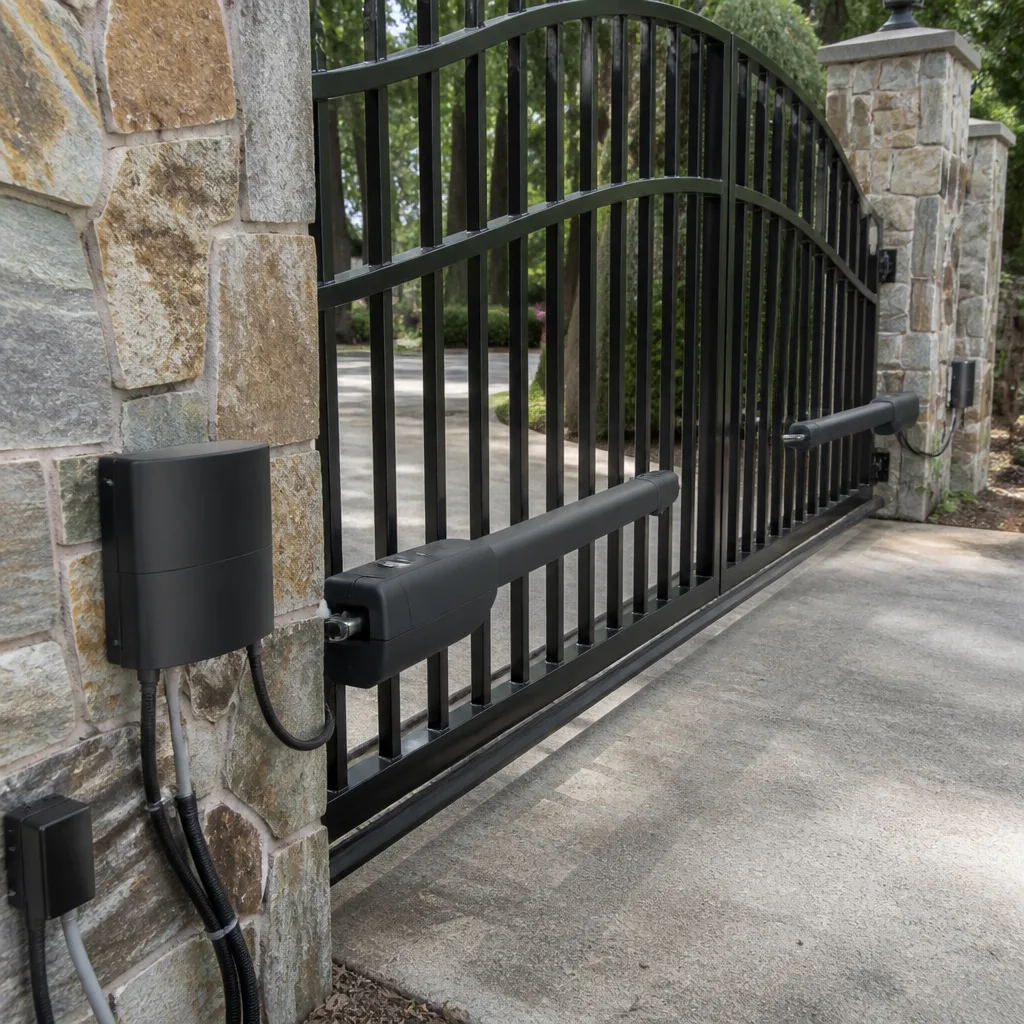 LiftMaster operators
Free on-site gate assessment - hinges, posts, and your LiftMaster or Nice gate operator checked before anything is quoted
The assessment is free and the quote is the invoice.
Get your free estimateHow Long Does Gate Installation Take? Timelines and What to Expect
Most homeowners are told “one day” and then wait four. That gap isn’t bad luck and it isn’t a weather delay. It’s a quoting habit that benefits the installer, not you. The honest answer is that a driveway gate install in Spring Valley runs anywhere from a long afternoon to a couple of weeks, and the difference almost never comes down to how fast the crew swings a wrench. It comes down to three site conditions nobody checked before the first truck rolled up. By the end of this guide you’ll know exactly what those three are, how Spring Valley’s own ground and Clark County’s permit window play into them, and the questions to ask on the phone that will tell you in two minutes whether a quoted timeline is real.
Quick Answer
A standard residential driveway gate installation in Spring Valley usually takes 1 to 3 days of on-site work, but you should plan on 1 to 3 weeks from contract to a working gate once you account for permits, post-setting, and concrete cure time. A single swing gate on good soil can be finished faster; anything involving caliche rock, an automatic opener, or a commercial permit will run longer. The “one-day install” you hear on the phone is real only for the day the gate physically goes up, and it leaves the wiring, loop detection, and final alignment for another visit.
Styles & brands we work with
- Wrought iron
- Wood & steel frame
- Farm & ranch
- Sliding driveway gates
- LiftMaster operators
Table of Contents
- The Three Site Conditions That Add Days to Any Gate Job
- Why Spring Valley Soil and Caliche Rock Add a Full Day
- The Concrete Cure Window Nobody Budgets For
- How Clark County Permit Times Affect Your Schedule
- What “One-Day Install” Actually Means
- Five Questions That Reveal a Fake Timeline
- A Realistic Install Timeline, Step by Step
- Common Mistakes to Avoid
The Three Site Conditions That Add Days to Any Gate Job
Every gate installation quote is built on assumptions about your property. When those assumptions are wrong, the schedule slides. In our experience, three conditions cause most of the blowups we get called out to fix after another company walked away.
- What’s underground where the posts go. Gate posts carry enormous leverage, so they have to be set deep and in solid material. Loose fill dirt, an old leach line, buried irrigation, or a utility line in the post path can turn a routine dig into a half-day of hand work. Nobody knows for sure what’s under there until they dig, but a good installer asks about it on the first visit.
- How hard the ground is. In Spring Valley this is the big one, and we’ll get to caliche in the next section.
- Whether the site is ready for a gate. Is the fence line staked and cleared? Is power within reach of where the opener goes? Has the driveway been poured to its final grade? A gate set on temporary grade has to come back apart later.
If a contractor quotes you a firm timeline without asking about any of these, that timeline is a guess dressed up as a promise. A gate sags in the hinge post, not in the middle, and it’s the post that the ground decides whether you can set right the first time. Any real schedule conversation starts with the ground.
Why Spring Valley Soil and Caliche Rock Add a Full Day
Spring Valley sits on ground that loves to fight a post hole. Much of the residential and rural acreage around here has a caliche layer: a cemented, calcium-carbonate hardpan that can be a few inches thick or several feet, and it doesn’t care about your schedule. A digging bar bounces off it. A standard auger spins on top of it. Getting a gate post through caliche can mean a jackhammer, a rock bit, or a mini-excavator, and that’s a full extra day on a job that was quoted as an afternoon.
We see this constantly in the neighborhoods south and west of the 215, out toward the edges of Spring Valley where acreage lots meet the open desert. When we quote a gate install, we assume caliche until we’ve dug a test hole and proved otherwise. That single test hole is the difference between a real timeline and a hopeful one. Ask any contractor whether they probe the soil before they quote, and watch what happens to the answer.
What to ask before signing anything
- Have you dug a test hole on this property, or are you quoting off the address?
- If you hit caliche, is the rock-breaking included in the price, or is it an add-on?
- How deep are the posts going, and are they set in concrete or dry-packed?
- Who handles buried utilities if we hit one during the dig?
Those four questions will separate the installers who know Spring Valley ground from the ones who quote every job the same way. A crew that’s dug here for years builds the rock into the number up front, so the price you agreed to is the price you pay. That’s how upfront pricing is supposed to work.
The Concrete Cure Window Nobody Budgets For
Here’s the part of the schedule that causes the most sagging gates in year one: the concrete around the posts has to cure before the gate goes on and starts swinging. Skip the cure and you’re hanging a heavy steel gate on green concrete that hasn’t reached strength. The post shifts a fraction of an inch under the load, the hinge geometry is off from day one, and the gate starts dragging and sagging within months.
An honest installer builds this into the plan instead of hiding it. The post-setting and the gate-hanging are two separate visits, with a cure window between them. During the hottest stretches of a Spring Valley summer, concrete can set up fast on the surface but stay weak underneath, so the crew has to protect it, sometimes with shade and moisture, rather than pour it and walk away.
This is why a “same-day install” on a post-mounted gate deserves a hard look. If someone is hanging a heavy gate the same afternoon they poured the posts, ask them how they’re handling the cure. The right answer is either “it’s a bolt-down on an existing footing” or a clear explanation of a fast-set product used correctly. The wrong answer is a shrug. Fix the panel without the post and you’ll fix it twice, and the same rule applies here: hang a gate on a post that’s still curing and you’ll be back to fix it next season.
How Clark County Permit Times Affect Your Schedule
Permits are where residential and commercial gate timelines split apart, and it has nothing to do with the work itself. A simple residential replacement gate on an existing opening often needs no permit at all, which is one reason those jobs move fast. A new gate with a new automated operator, new electrical service, or a new driveway approach is a different animal.
In Clark County, anything that touches the power run, adds a new structure, or changes how vehicles enter the property usually means a permit pull, and the review time can run from several days to a couple of weeks depending on the workload at the county and how complete the submittal is. Commercial gates, HOA entrances, and anything serving multiple units sit in a stricter review lane and can add real weeks. None of this is the installer’s fault, but a contractor who quotes you a firm day without mentioning the permit window is either skipping the permit (which becomes your problem later) or doesn’t know the county’s pace.
Residential versus commercial, in plain terms
- Simple residential replacement: often no permit, fastest path, sometimes a single day of hanging plus alignment.
- New residential gate with operator and power: permit pull plus cure window plus a scheduled electrician, plan on multiple weeks.
- Commercial or multi-unit access gate: longer review, engineered drawings, final inspection required before the gate is signed off.
Ask any installer to tell you, in writing, whether your job needs a permit and who is pulling it. If they can’t answer that on the spot, the timeline they gave you is fiction.
What “One-Day Install” Actually Means
We hear it all the time: “we can have that gate done in a day.” Sometimes that’s true, and sometimes it’s a sales line that leaves half the job unfinished. Here’s what a genuine single-day install looks like versus the one that strands you.
A true one-day job is a bolt-down gate on an existing, solid footing with no new electrical, no new permit, and no soil surprises. The crew removes the old gate, sets the new one, aligns the hinges and latch, and you’re swinging it by dinner. That happens, and it’s a good day.
The “one-day” that causes trouble is on a new post-mounted, automated gate. What gets left behind when the crew races the clock:
- Operator wiring run and connected to the opener, sometimes pushed to a second visit.
- Loop detection and safety sensors installed and tested, which is not optional on an automated gate.
- Final alignment after the gate has settled and swung a few dozen times, the adjustment that keeps it from dragging.
- The permit inspection, which can’t happen until the work is actually done.
An automated gate without working safety edges and loop detection is a hazard, full stop, and it’s not something we’ll leave behind to save a day. A LiftMaster or FAAC operator installed right, with travel limits set and the safety devices tested, takes longer than hanging the gate itself. If a contractor hands you a one-day promise on a brand-new automated install, ask them exactly which of these four items they’re planning to skip. Then decide whether you want that person coming back.
Five Questions That Reveal a Fake Timeline
You can screen a contractor’s timeline in a single phone call. These five questions are the ones that separate a real schedule from a hopeful guess, and the answers tell you almost everything.
- “What’s your soil like out here, and did you build rock into the quote?” A Spring Valley pro will talk about caliche without prompting. A phone jockey will pause or change the subject.
- “How long between setting the posts and hanging the gate?” The right answer mentions the cure window. Silence, or “same day,” on a new post-mounted gate is a red flag.
- “Does my job need a permit, and who pulls it?” They should know the Clark County process and tell you plainly.
- “What’s finished on the last visit versus the first?” Listen for operator wiring, loop detection, and final alignment. If they claim it all happens in one visit on an automated new gate, ask how.
- “Is the price I’m quoted the price I pay, including the rock and the permit?” The only acceptable answer is yes, stated plainly and put in writing.
Those five questions take about two minutes. If the person on the other end answers them all without flinching, you’re probably talking to someone real. If they start hedging, you’ve just saved yourself four weeks of waiting for a gate that never comes.
A Realistic Install Timeline, Step by Step
Here’s what an honest schedule for a new automated residential gate in Spring Valley actually looks like, from signature to working gate.
- Site visit and measurement (day 0). Test hole, utility check, measurement, and a written quote with the rock and permit already priced in.
- Permit pull (several days to a couple of weeks). Varies with Clark County’s workload and how complete the drawings are.
- Post-setting (day 1 on site). Digging through caliche if it’s there, setting posts in concrete, protecting the pour.
- Cure window (built in). Concrete reaches working strength before any weight goes on it.
- Gate-hanging and alignment (day 2). Hinge geometry, latch, and swing set correctly.
- Operator, wiring, and safety devices (day 2 or a short return). Power run, LiftMaster or FAAC operator mounted and tuned, loop detection and safety edges installed and tested.
- Final inspection and walkthrough. Permit inspection where required, then we walk you through the finished gate and put the done-right promise in writing.
Notice that no single step is dramatic. The timeline is long because the steps are real, not because the work is slow. A gate closing on its own tells you where it’s failing, and the whole point of a real schedule is to get the gate to close right the first time. This is the same reasoning behind how we approach gate motor & opener work in Spring Valley, where getting the operator tuned correctly matters as much as the iron.
When you’re ready to move from planning to a written estimate, that’s where gate installation in Spring Valley starts, and it’s the right place to ask every question in this guide. If your existing gate only needs work rather than replacing, that’s a different and usually faster path, which we cover under gate repair in Spring Valley. Either way, start from the Gatewood Fence & Gate Spring Valley home page and we’ll point you to the right process.
Common Mistakes to Avoid
- Signing a quote with no test hole. If nobody probed the soil, the rock is either baked into the price as a fat cushion or it’s an add-on waiting to surprise you. In Spring Valley, ask for the test hole first.
- Accepting a firm day on a job that needs a permit. A new automated gate in Clark County has a review window. A contractor who ignores it is either skipping the permit or guessing.
- Letting a crew hang a heavy gate on green concrete. This is the number-one cause of a gate that sags in year one. The cure window is not optional.
- Treating “one-day install” as “fully finished.” On an automated gate, wiring, loop detection, and final alignment are part of the job, and a one-day promise usually means one of them gets skipped.
- Buying a cheap operator to save time. A mismatched opener on a gate it wasn’t rated for fails early and drags the schedule out with return visits. We stick to brands we’re certified to service, including LiftMaster and FAAC, so the operator fits the gate.
- Forgetting the power run. If the opener needs power at the post and there’s no circuit, that’s a scheduled electrician visit, not an afternoon.
- Ignoring the safety devices. An automated gate without working safety edges and loop detection is a hazard, and no honest installer leaves them off to make a deadline.
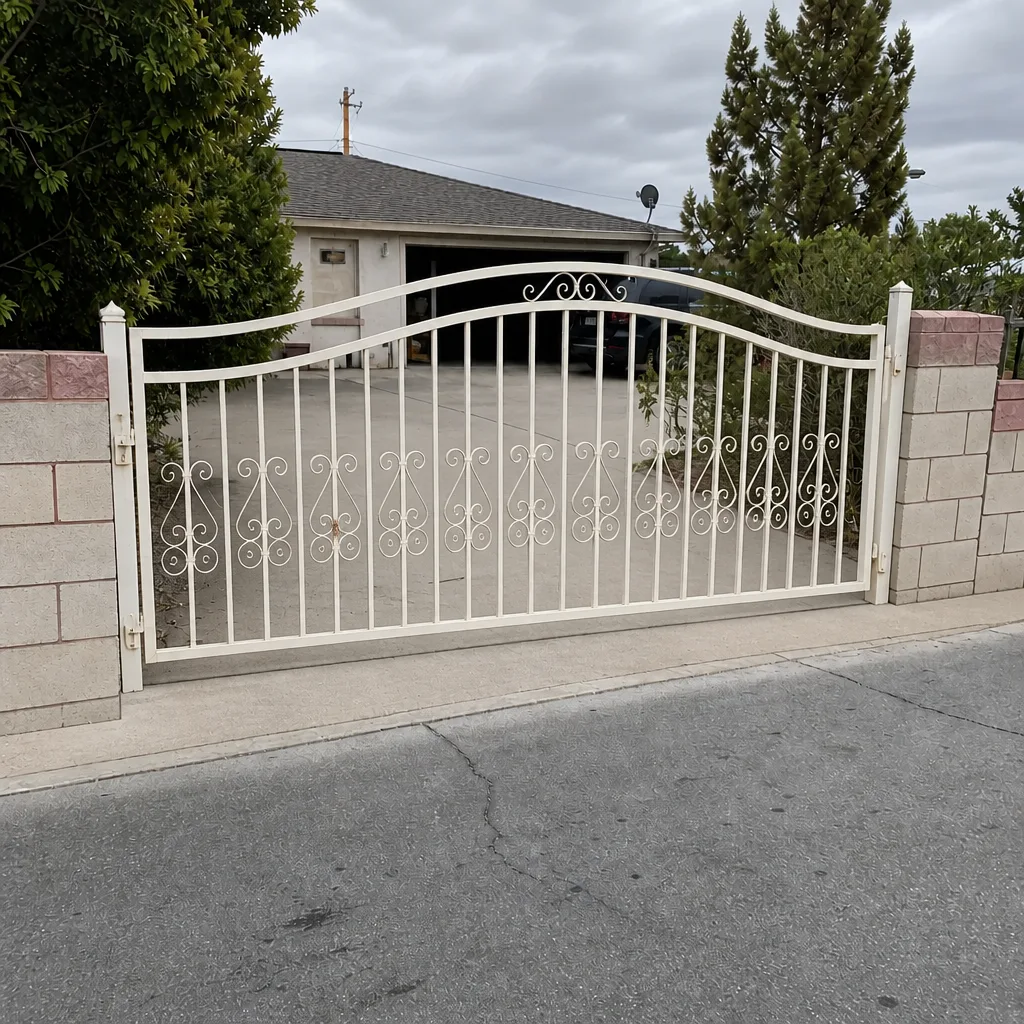
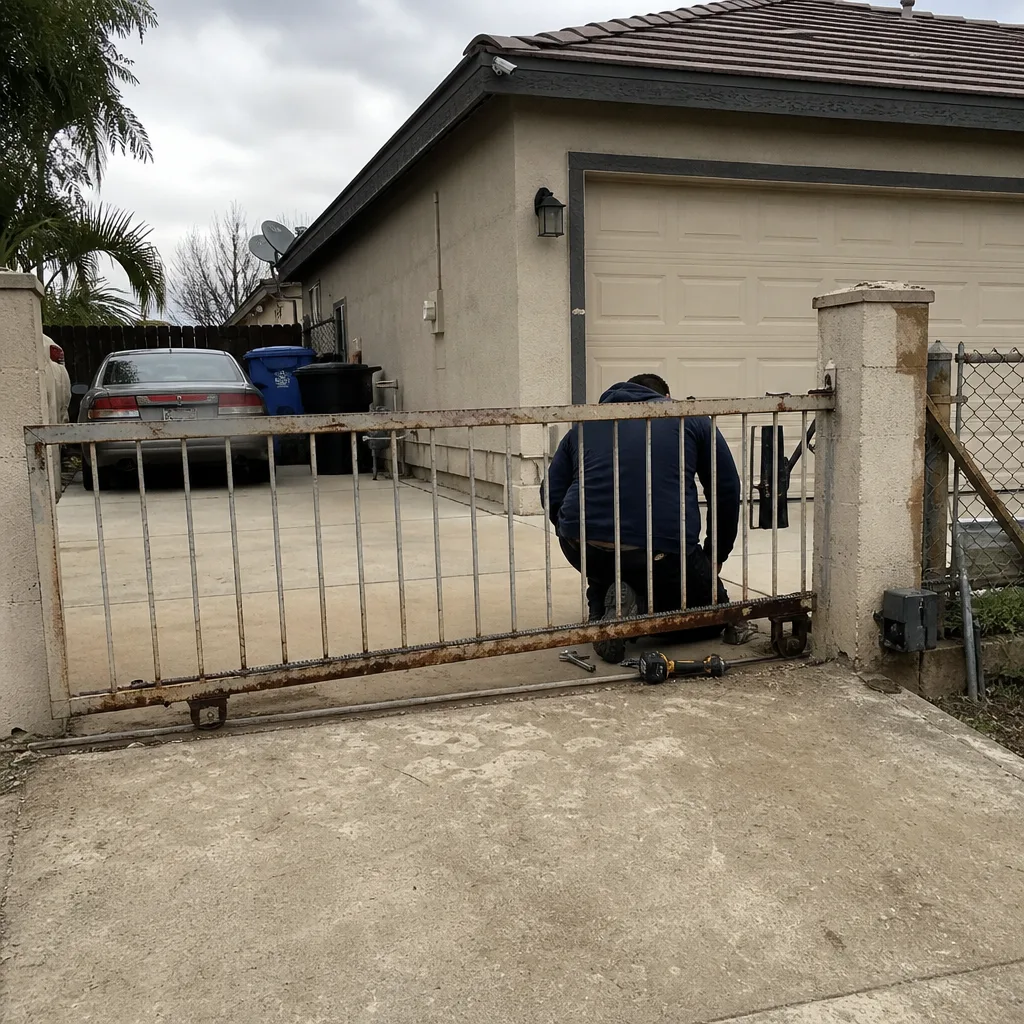
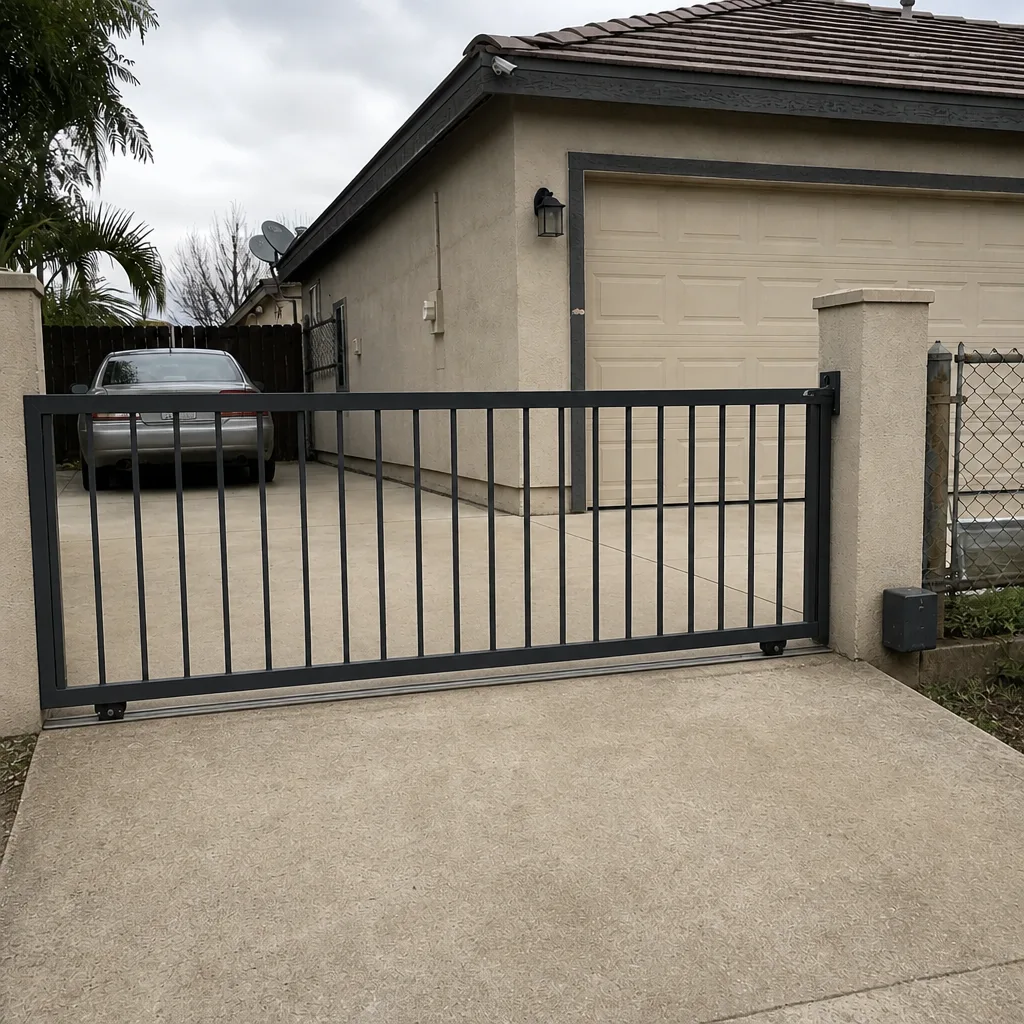
See the difference
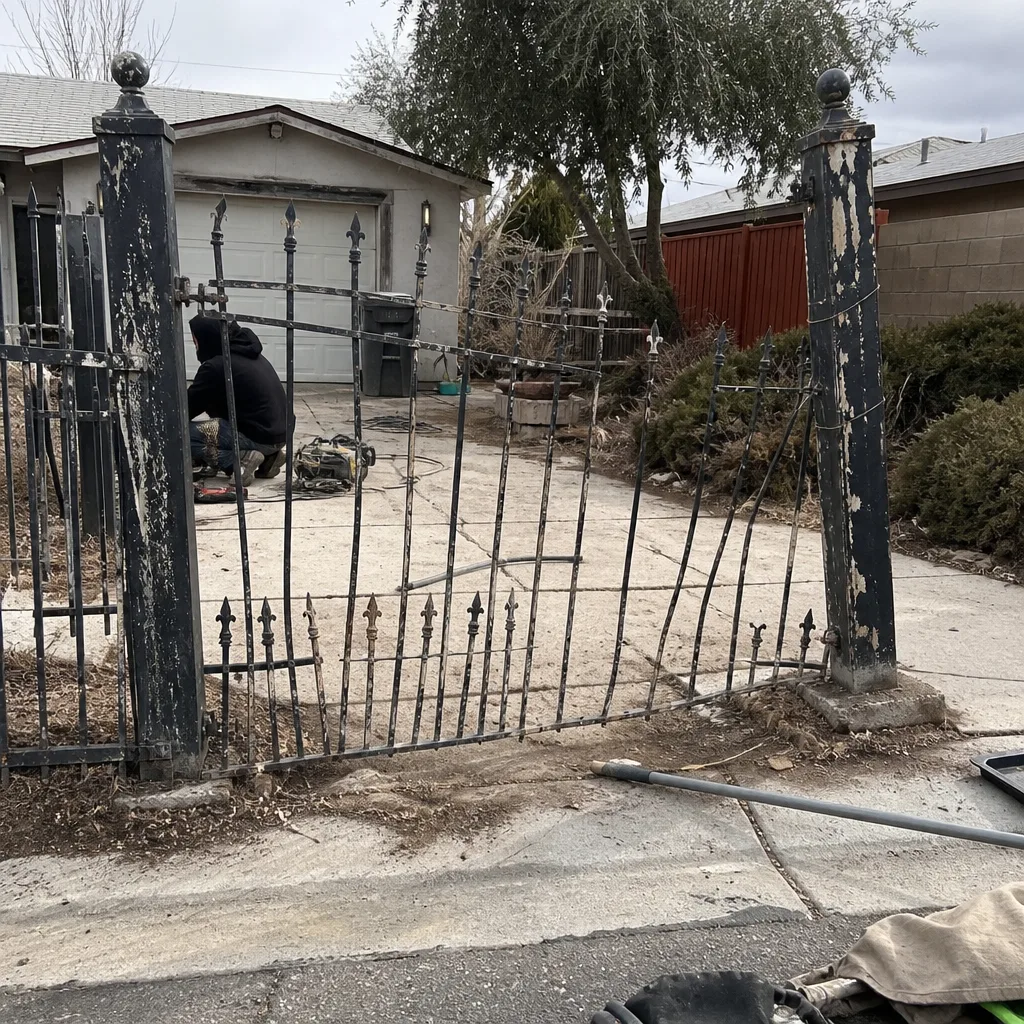 Before
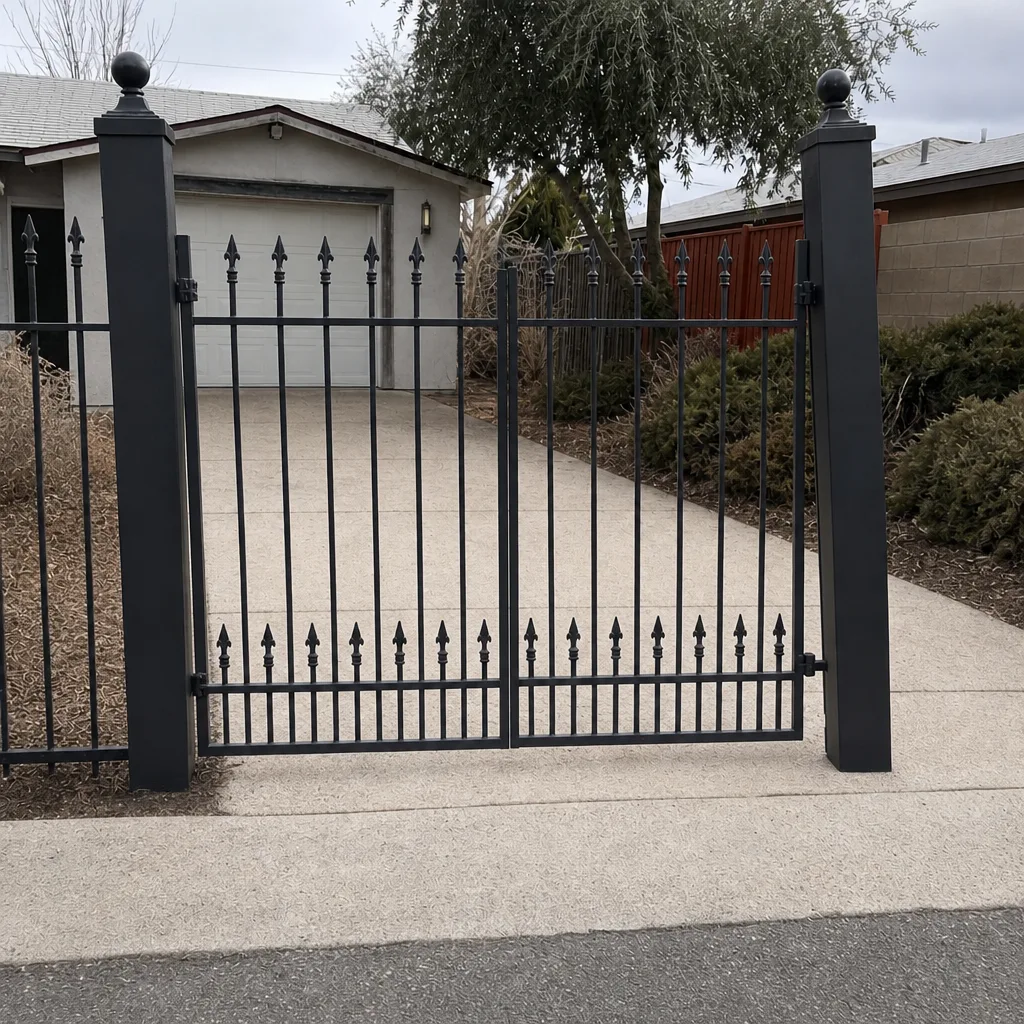 After
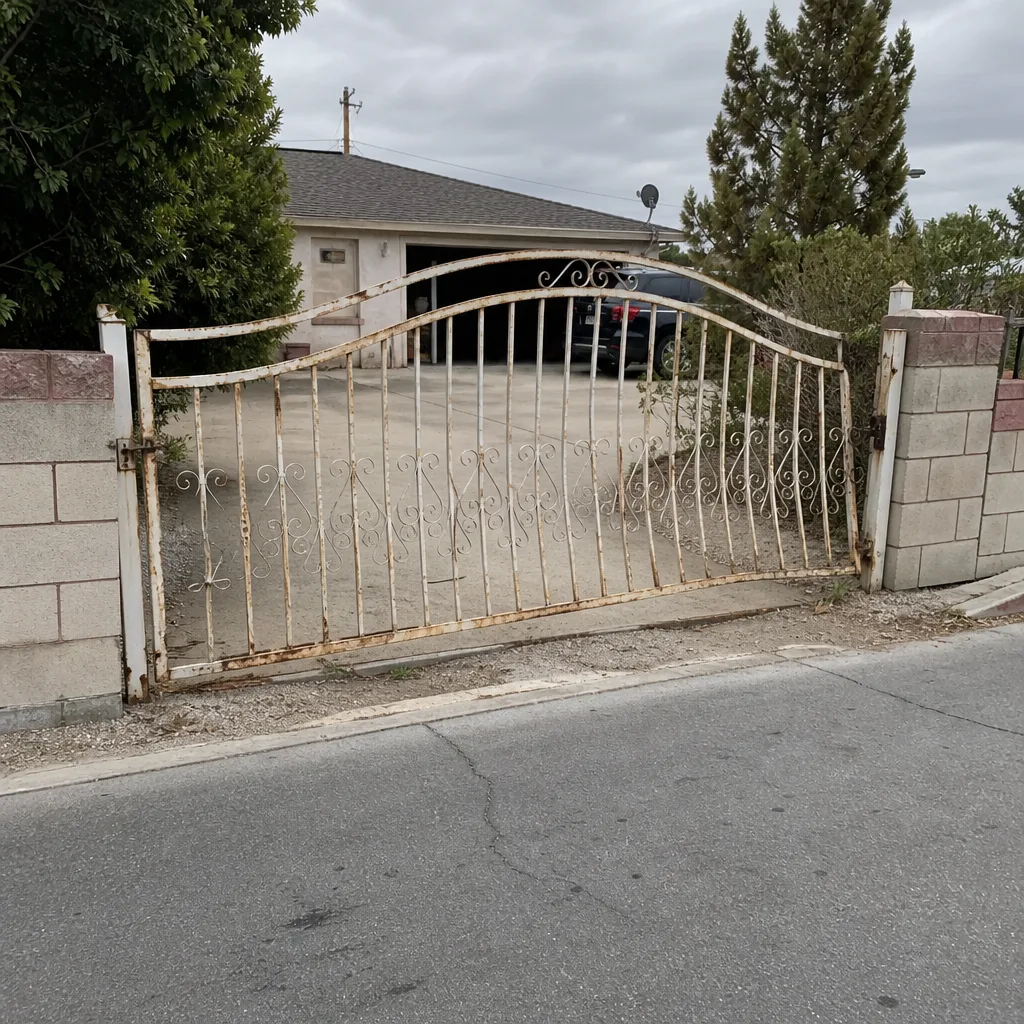 Before
 After
 Before
 After
When to Call a Professional
Some of this you can eyeball yourself: the state of the old gate, whether the ground is cleared, whether there’s power near the post. But the moment a job involves setting posts in Spring Valley caliche, running an operator’s power and safety devices, or pulling a permit, it’s a professional’s job. High-tension hardware and live electrical work are genuinely dangerous, and a gate that’s hung wrong or an operator that’s tuned wrong can hurt someone. If your current gate is sagging, dragging, or not latching, that’s a repair call, not a replacement. Gatewood Fence & Gate Spring Valley offers free estimates in Spring Valley – call (888) 300-3906, and a live person will pick up, day or night.
Frequently Asked Questions
Plan on 1 to 3 weeks from contract to a working gate for a new automated residential install, with 1 to 3 days of actual on-site work. The rest is the permit window, the post cure time, and scheduling the operator wiring. Caliche rock and a new power run push it toward the longer end; a simple replacement on an existing footing can be much faster. Call (888) 300-3906 for an exact quote on your property – estimates are free.
Only a bolt-down gate on an existing, solid footing with no new electrical or permit is a genuine one-day job. A new post-mounted automated gate needs the concrete to cure and the operator, wiring, loop detection, and final alignment done right, which is a multi-visit schedule. When we quote a one-day job it’s because the site supports it, not because we’re cutting corners to hit a promise.
Caliche is a cemented hardpan layer under much of Spring Valley’s soil, and it can stop a standard auger cold. Getting a gate post through it can mean a jackhammer or rock bit instead of a routine dig, which adds real hours to the job. A contractor who probes the soil before quoting builds that into the price instead of surprising you with it later.
Not always, but a new automated gate, a new power run, or a new structure usually does, and that review can take several days to a couple of weeks. Simple residential replacements often don’t need one. Ask your installer in writing whether your job needs a permit and who’s pulling it; if they can’t answer, the timeline they gave you is a guess.
Yes. A safe automated gate needs the operator powered properly and the loop detection and safety edges installed and tested before we call the job done. Those are part of the install, not add-ons, and we won’t leave an automated gate running without them. Call (888) 300-3906 for a free estimate that covers the full scope.
A sagging gate is usually a hinge-post problem, not a reason to replace the whole gate, and a repair is far faster than a full install. We can often fix a dragging or misaligned gate without pulling a permit or ordering new iron. Call (888) 300-3906 and we’ll tell you straight whether you’re looking at a repair or a replacement.
The Bottom Line
Gate installation timelines in Spring Valley are set by the ground, the cure window, and the permit, not by how fast a crew hangs iron. The “one-day” promise you hear on the phone is a quoting habit that leaves wiring, loop detection, and final alignment unfinished, and it’s the reason so many gates start sagging in year one. Ask about the test hole, the cure time, the permit, and what gets finished on the last visit. If a contractor answers all four honestly, you’ve found someone worth hiring. The name is on the shop, the shop is down the road, and that is the oldest accountability there is.
Ready to get a real number and a real schedule? Call Gatewood Fence & Gate Spring Valley at (888) 300-3906 for a free estimate. A live person answers every call, 24 hours a day, seven days a week, and the price we quote is the price you pay, agreed in writing before any work starts.
Written by the team at Gatewood Fence & Gate Spring Valley.