
Last updated November 18, 2026
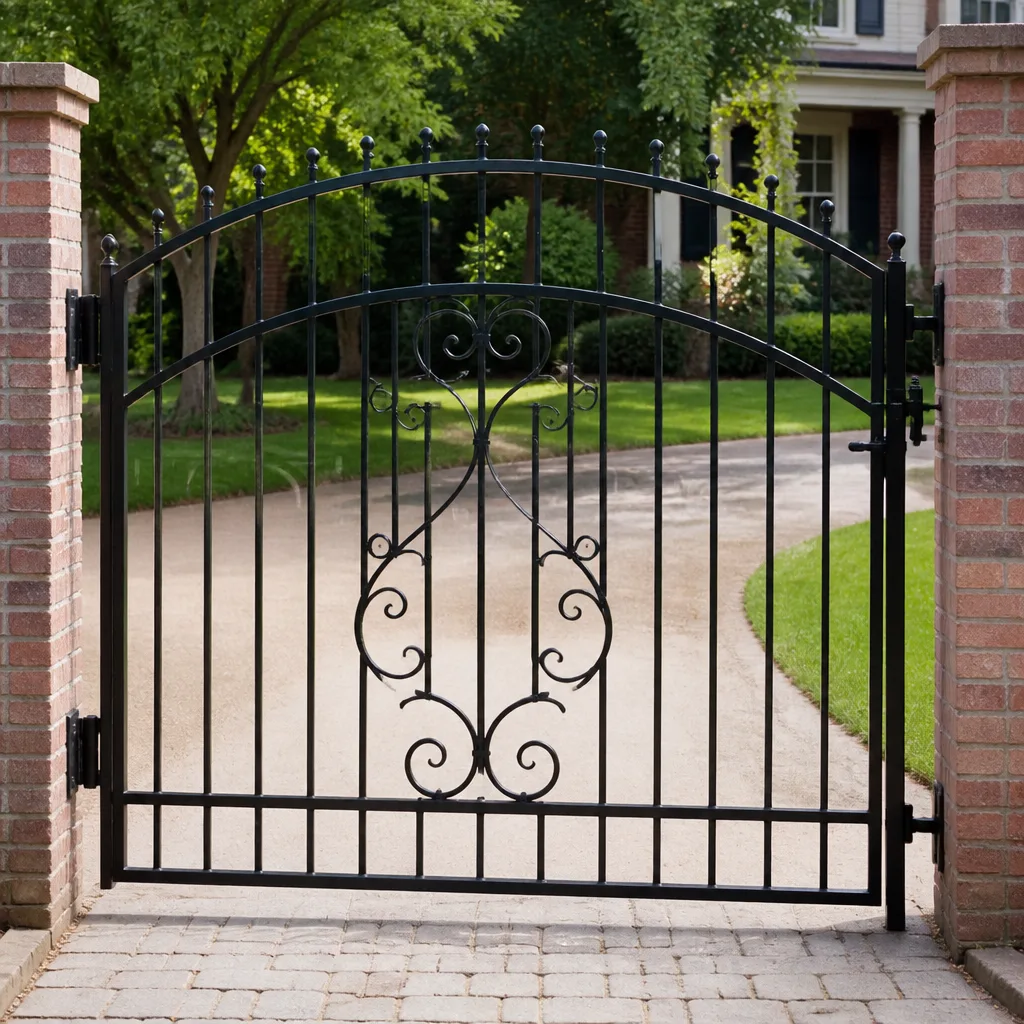 Wrought iron
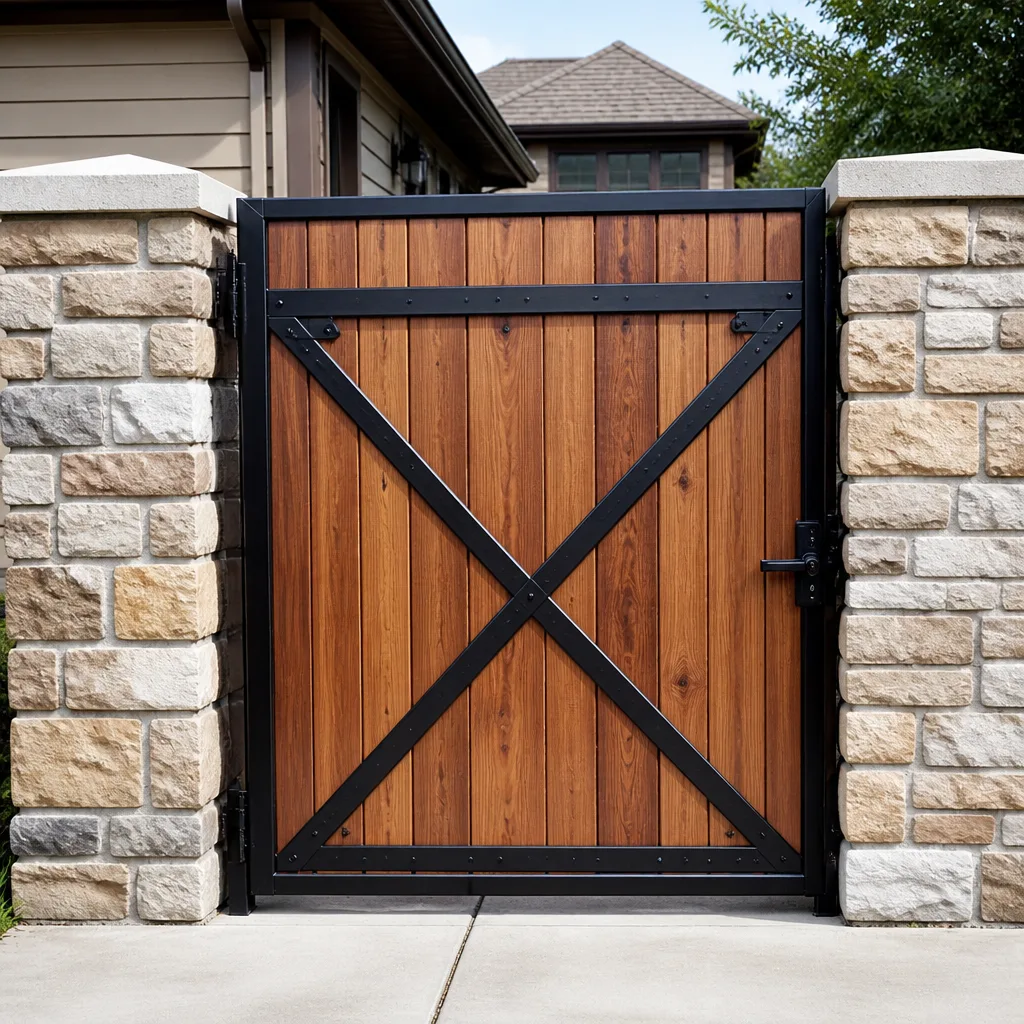 Wood & steel frame
 Farm & ranch
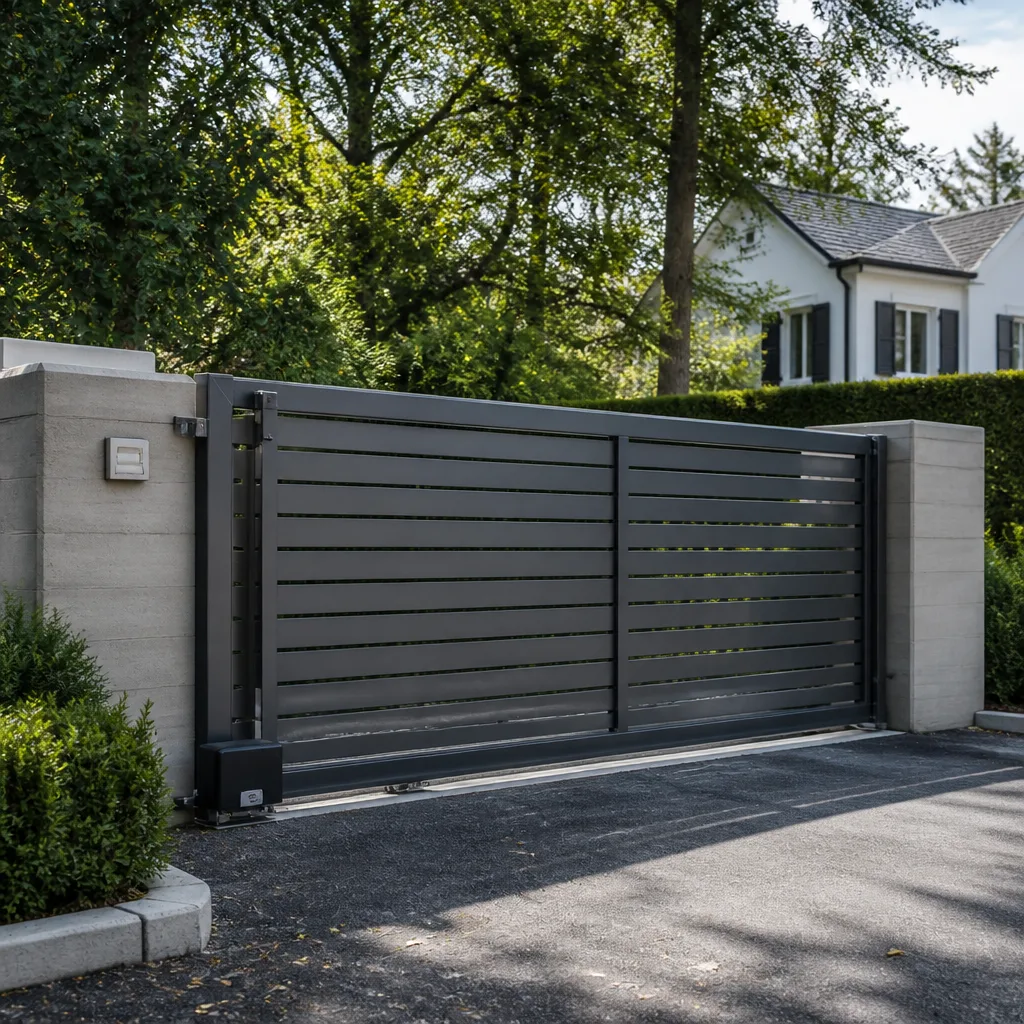 Sliding driveway gates
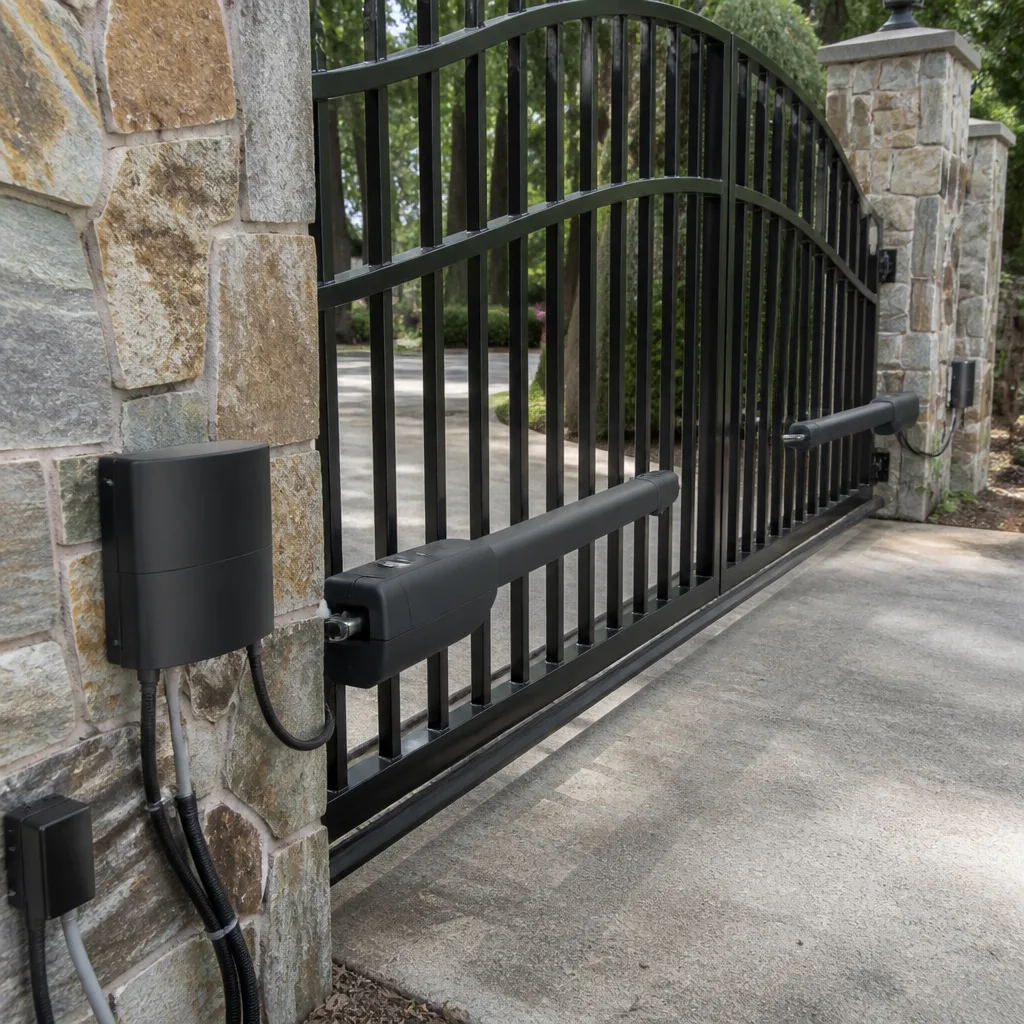 LiftMaster operators
Free on-site gate assessment - hinges, posts, and your LiftMaster or Nice gate operator checked before anything is quoted
The assessment is free and the quote is the invoice.
Get your free estimateGate Access Control Warning Signs Every Homeowner Should Know
If your gate hesitates for two seconds before responding to your keypad, that’s not lag. That’s a control board working harder than it should, and in our experience it’s usually four to six weeks from a full no-response failure. Most homeowners in Spring Valley mistake that hesitation for a quirk, live with it for a month, and then call us from the driveway because the gate won’t open at all. This guide names the specific signals that come before each common failure mode, tells you which ones mean wiring, which mean board trouble, and which mean the mechanism itself is straining, and explains what you can safely check yourself before you pick up the phone.
Quick Answer
The most reliable gate access control warning signs are a keypad that hesitates before responding, codes that work intermittently, an intercom with scratchy or one-way audio, a gate that opens for the remote but not the keypad, and a visible rust streak or damp spot on the gate post. Intermittent failures matter more than total failures because they signal a component under stress that hasn’t fully died yet. If you notice any of these on a Spring Valley gate, get it looked at before it strands you.
Styles & brands we work with
- Wrought iron
- Wood & steel frame
- Farm & ranch
- Sliding driveway gates
- LiftMaster operators
Table of Contents
- The Difference Between a Quirk and a Warning Sign
- Why Intermittent Failures Are More Urgent Than Complete Ones
- How Spring Valley Dust and Heat Accelerate Failure
- Wiring Problems Versus Board Problems Versus Mechanical Problems
- The One Visual Sign on a Gate Post That Means the Splice Is Failing
- A Step-by-Step Self-Check You Can Do Safely
- Keypad and Intercom Warning Signs to Watch
- Loop Detector Symptoms Most Homeowners Miss
The Difference Between a Quirk and a Warning Sign
A quirk is something that happens once and never repeats. A warning sign is something that happens on a schedule you could almost set a watch by. That’s the dividing line we use, and it’s the single most useful habit you can build as a homeowner.
Here’s what we mean in practice. If your keypad failed to read your code one time last August after a thunderstorm, that’s a quirk. If it fails roughly every third or fourth try, especially on humid mornings, that’s a warning sign. If your gate buzzed open on the third button press last Tuesday and only the first press works today, that’s a control board or reader beginning to degrade. It’s not a mood. Boards don’t have moods.
In our experience across Spring Valley, homeowners tend to explain away three behaviors that are almost never innocent:
- A wait that wasn’t there before. The gate used to open on the first press. Now there’s a pause. That pause is processing delay.
- A code that works “most of the time.” A clean keypad either reads a code or it doesn’t. “Most of the time” is a reader on its way out.
- A gate that acts differently morning versus afternoon. Heat and humidity changes revealing a marginal connection inside the enclosure.
Write the behavior down. When you call, “my keypad hesitates about two seconds on humid mornings and won’t take my wife’s code at all” tells a technician more in one sentence than “my gate is broken” ever will. That detail often saves a diagnostic visit, and it’s the kind of information that helps us quote accurately over the phone.
Why Intermittent Failures Are More Urgent Than Complete Ones
A gate that is dead is a known quantity. A gate that fails one time in five is a component under stress, and stress gets worse, not better. That’s the counterintuitive part most homeowners get backwards: they call us about the dead gate immediately and sit on the intermittent one for months. The intermittent one is often the more urgent call.
Think of it like a heart rhythm problem versus a stopped heart. One is already resolved; the other is the one that needs attention now. An intermittent gate failure tells us a specific thing is failing partway, and partway failures are the easiest to diagnose and the cheapest to fix. Wait for the total failure and you’re often replacing a whole assembly instead of a worn component.
The pattern we see repeatedly in Spring Valley:
- Week one: keypad hesitates occasionally. Homeowner ignores it.
- Week three: one family member’s code stops working while others still work. Homeowner blames the fob.
- Week five: gate won’t open from keypad at all, only from the remote inside the car. Homeowner still has a workaround.
- Week seven: nothing opens the gate. Now it’s an after-hours emergency call and a gate stuck open overnight.
Every step in that progression is a signal. The reason we can name the timeline is that we’ve watched it play out dozens of times on the same handful of brands – BFT and Viking controls in particular tend to show this exact slow-fade pattern before the reader module gives out. If you’re on step two, call. It’s a small repair at step two and a bigger one at step four, and your gate is stuck open in the driveway at step four, which is the part that keeps us up at night.
How Spring Valley Dust and Heat Accelerate Failure
Spring Valley is hard on gate electronics in a way that coastal or wetter climates simply aren’t. The combination of fine desert dust and long stretches above 100 degrees does specific damage to specific parts, and knowing the pattern helps you know what to watch.
Keypads. Dust gets into the keypad membrane and the contact pad underneath. Every press grinds a little grit into the contact, slowly raising resistance until a press stops registering. Keypads mounted facing west take the worst of the afternoon sun, and their plastic housings go brittle faster than shaded ones. If your keypad faces the late sun, expect a shorter service life than the manual suggests.
Intercoms. Heat cooks the small speaker cones and the microphone element. You’ll hear it first as a scratchy, tinny voice or a caller who can hear you but can’t be heard. Dust in the speaker grille makes it worse.
Loop detectors. The buried loop that detects a waiting car is sensitive to ground movement, and Spring Valley’s soil shifts with the temperature swings between day and night and across the seasons. A loop that worked for years can start missing cars when the pavement above it cracks or settles. You’ll notice the gate doesn’t open for you until you roll forward and back a foot or two. That behavior is a loop losing sensitivity, not a vehicle problem.
Control boards. Heat is the enemy of every capacitor and solder joint on the board, and a board mounted in a metal enclosure in full sun runs hotter than its rating. This is exactly why the two-second hesitation shows up so much in Spring Valley. The board is thermally stressed before anything is even wrong with it.
When you call about a gate in Spring Valley, mention which side of the house the enclosure faces and whether the keypad is in shade. Those two facts change our diagnostic priorities immediately.
Wiring Problems Versus Board Problems Versus Mechanical Problems
Giving your technician the right category is half the battle. These three failure types look similar to a homeowner but feel completely different once you know what to check. Here’s how to tell them apart.
Signs that point to wiring:
- Failures that come and go with weather – worse after a rain, better when dry.
- One input device fails while others work fine (the keypad is dead but the remote still opens the gate).
- A gate that works from the telephone entry but not the exit keypad on the other side.
- Anything that improves when the gate vibrates or someone taps the post.
Signs that point to the control board:
- A consistent, repeatable delay before any response.
- Multiple devices failing at once – the keypad and the intercom and the exit button all acting up together.
- Random, unexplained openings with nothing near the gate.
- Relays clicking but no movement, or movement that stops mid-travel and resets.
Signs that point to the mechanism:
- Grinding, scraping, or a rhythmic clunk during travel.
- The gate moves slowly and struggles, especially on the opening swing.
- The gate stops at the same point every time and reverses.
- Visible sag at the hinge post – the gate drops before it swings.
If you can tell us “the gate opens on the keypad but won’t close from the inside button, and it scrapes on the way open,” you’ve handed us two categories at once: an input problem and a mechanical problem. That call gets diagnosed faster because we know to bring the right parts. And when the mechanical side needs attention, our Gate Repair in Spring Valley service is where that work lives.
The One Visual Sign on a Gate Post That Means the Splice Is Failing
Walk out and look at your gate posts. Look low, where the conduit comes up out of the ground. If you see a rust streak, a patch of green or black corrosion, or a spot that stays damp longer than the rest of the post, you’re almost certainly looking at a failing wire splice inside the conduit or the junction box.
Why does that matter? Because the splice is where two wires join, and any moisture that finds its way in will slowly corrode the connection until resistance climbs and the device on the other end starts misbehaving. A splice that’s failing doesn’t announce itself with a spark. It announces itself as a keypad that works on dry days and fails after rain, or an intercom that cuts out in humid weather. That rust streak is the actual point of corrosion showing through the post, and it’s visible before the symptom ever appears.
In our experience this is the single most underreported sign. Homeowners look at the keypad because that’s where the problem shows. They don’t look at the post because nothing’s happening there – or so it seems. The next time you walk past your gate, give the post a two-second look. A rust streak down the post is the kind of thing you can catch with your eyes before it strands you. It’s a small repair when caught, and a bigger one when the splice finally fails completely.
A Step-by-Step Self-Check You Can Do Safely
There’s a safe inspection you can do yourself, and there’s a line you shouldn’t cross. This is the safe part. Anything involving opening the control enclosure, touching wiring, or working on the operator is a job for a trained technician – gate operators put out real force and the electrical components inside aren’t a place for a homeowner to poke around. The self-check below works without a tool and without opening anything.
- Test each input separately. Try the keypad, the remote, and the exit button one at a time. Write down which ones work and which don’t. This one note tells us a great deal about where the problem lives.
- Time the hesitation. Count the seconds between pressing the button and the gate moving. If it’s the same delay every time, say so. If it varies, say that too.
- Watch the travel. Does the gate move smoothly and at consistent speed, or does it lurch? Does it slow down or speed up at the same spot every cycle?
- Look at the posts. Check every post for rust, corrosion, damp spots, or anything that looks like a very old patch job. Look low, near the ground.
- Check the gate’s physical movement with your hands. With the gate in manual mode (if it has a release), does it swing freely, or does it bind? A gate that binds when pushed is a mechanical problem, not an electronics problem.
- Note the weather. If anything works better on dry days than wet ones, that’s a wiring clue.
That’s the whole self-check. Five minutes with a notebook. The result is a short list of observations that lets us tell you on the phone whether we’re likely dealing with a control, a wire, or a mechanism, and roughly what it takes to fix. For the electronics side, our Gate Motor & Opener in Spring Valley work covers the operators and control systems themselves.
Keypad and Intercom Warning Signs to Watch
The keypad and the intercom are the two pieces of access control you touch every day, and they’re the two that fail first. Here’s what to watch for on each.
Keypad signs:
- A button that requires more pressure than the others to register.
- A code that works for one family member and not another.
- Beeps that change in tone or pattern from before.
- The backlight flickers or the display dims.
- Random multiple button presses from one press, or a press that registers as a different button.
- A “wake up” delay before the keypad accepts input.
Intercom signs:
- Scratchy or tinny audio that wasn’t there before.
- One-way audio – you can hear them, they can’t hear you, or the reverse.
- Static that gets worse on hot afternoons.
- The call button needs to be pressed twice to ring.
- Volume that drops over the course of a call.
Keypads on Ghost Controls and Linear systems are the most common we service in Spring Valley, and both show the same dusty-button pattern when the membrane starts to go. A keypad that’s giving you consistent trouble is a small, affordable replacement – much cheaper than coming home to a gate that won’t open and a phone call after dark. If you’re already seeing multiple signs on this list, it’s worth a look. We keep an eye on all of them during a routine service visit.
Loop Detector Symptoms Most Homeowners Miss
The loop detector is the buried sensor that tells the gate a car is waiting. It’s the least understood part of a gate system and the one homeowners most often misdiagnose. Here’s what its failure looks like, because it doesn’t look like much.
Signs your loop is starting to fail:
- The gate doesn’t open until you roll forward and back a foot or two.
- The gate opens fine for trucks and SUVs but not for your smaller car.
- The gate opens when you pull in but won’t open when you back out.
- The gate doesn’t close behind you – it thinks a car is still there.
- The gate closes on you after a long delay, as if it finally gave up waiting.
Two of these are the tell. A loop that treats your small car differently from a bigger one is a loop losing sensitivity – it detects the larger metal mass but not the smaller. And a loop that thinks a car is still waiting, keeping the gate from closing, is the same problem on the other side of the threshold.
Loop problems trace back to the buried wire and its connection at the pavement edge. In Spring Valley, the shrink-swell movement of the soil as it heats and cools can crack the pavement over the loop and start the wire on its way out. It’s not a homeowner fix. But knowing it’s the loop, and not the operator, changes the conversation when you call. In our experience, a homeowner who says “the gate opens fine for my husband’s truck but not for my sedan” has just saved half an hour of diagnostic time.
Common Mistakes to Avoid
- Waiting for a total failure. A partial failure is your warning and your cheapest repair window. A gate that works most of the time is more urgent than a gate that’s dead, because the dead one has already told you everything you need to know.
- Assuming the remote is the problem. A remote with a dying battery is common, but if the keypad also fails, the remote wasn’t the issue. Test each input device separately before buying batteries you may not need.
- Ignoring a rust streak on the post. That stain is the splice inside the conduit corroding through the metal. It’s the nearest thing to a free warning you’ll get, and homeowners miss it because they’re looking at the keypad.
- Press-and-hold on a struggling keypad. Pushing harder on a keypad with a dusty or worn contact increases damage rather than fixing it. Try the button gently with clean, dry hands; if it doesn’t take, it doesn’t take.
- Calling in “my gate doesn’t work.” Tell us which inputs fail, whether the timing delays, and whether the gate binds when you push it manually. That one-minute report often tells us whether we’re dealing with a wire or a board before we’ve seen the gate.
- Blaming the gate when the loop is the culprit. A gate that opens for one car and not another, or opens too slowly, is usually a loop detector problem. Diagnose the loop before assuming the operator is failing.
- Letting an intermittent problem ride through a hot spell. Spring Valley summers stress control boards hard. A keypad that hesitates in spring can be fully silent by July.
See the difference
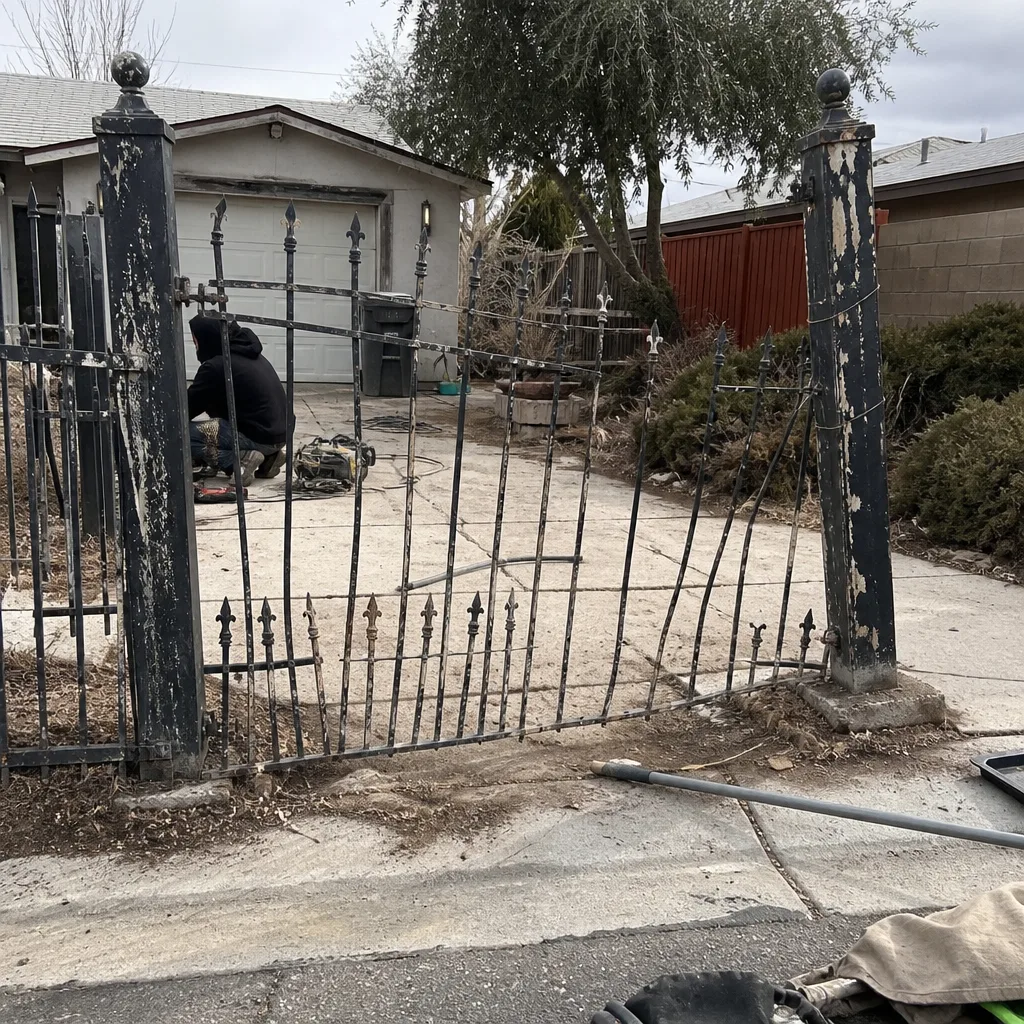 Before
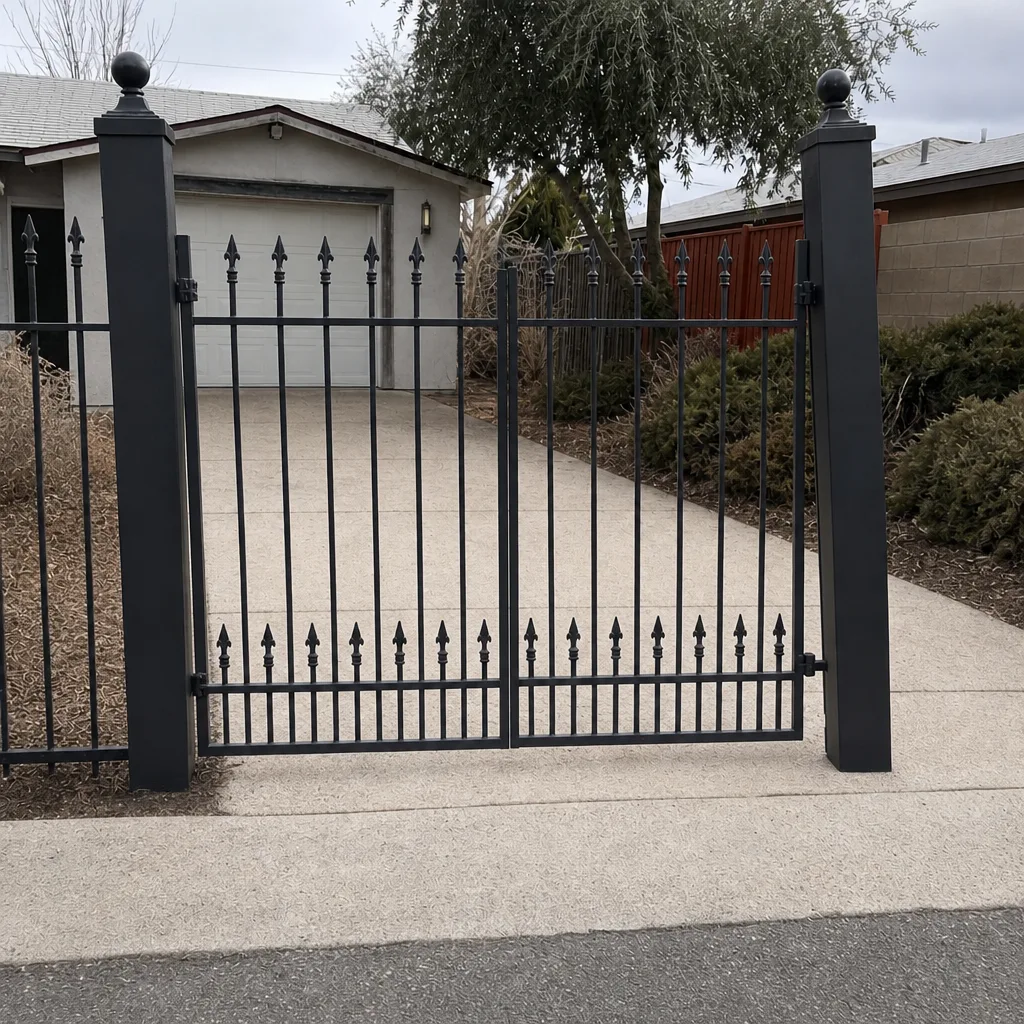 After
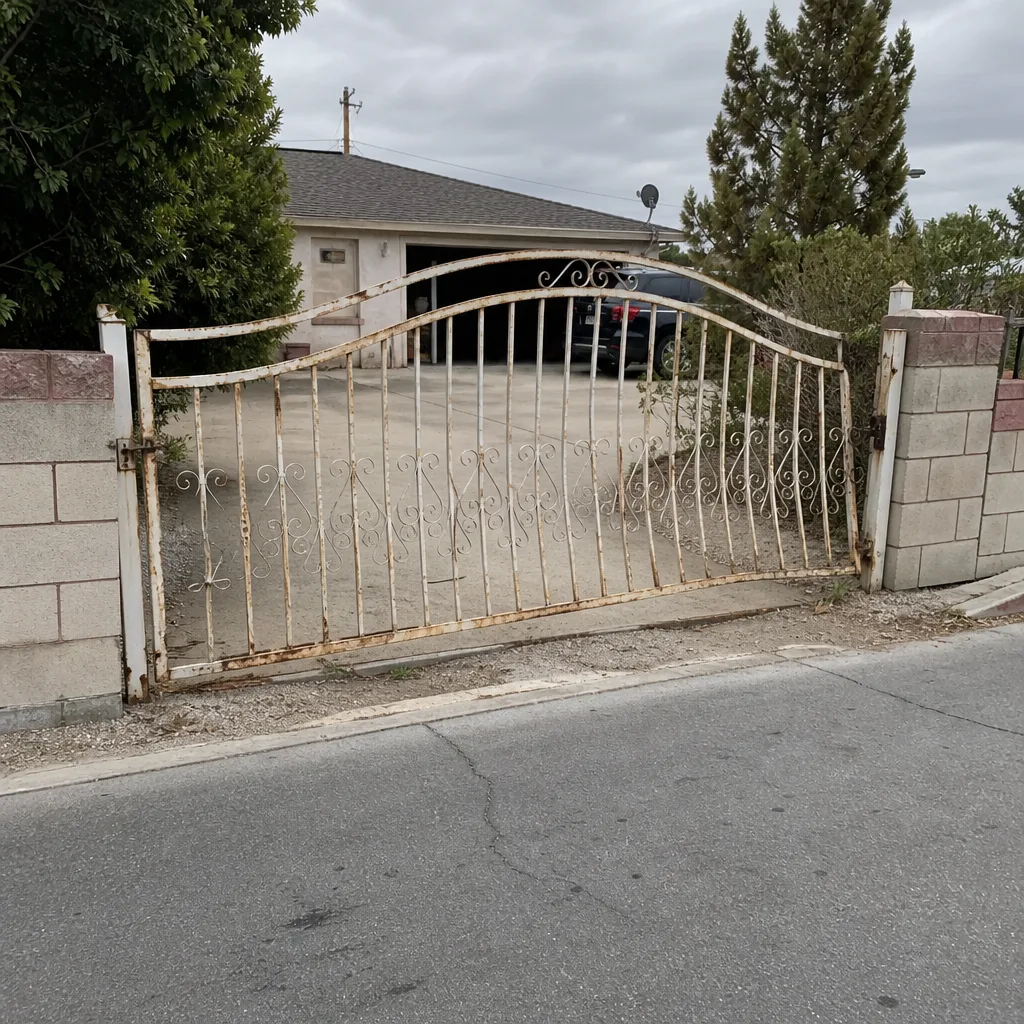 Before
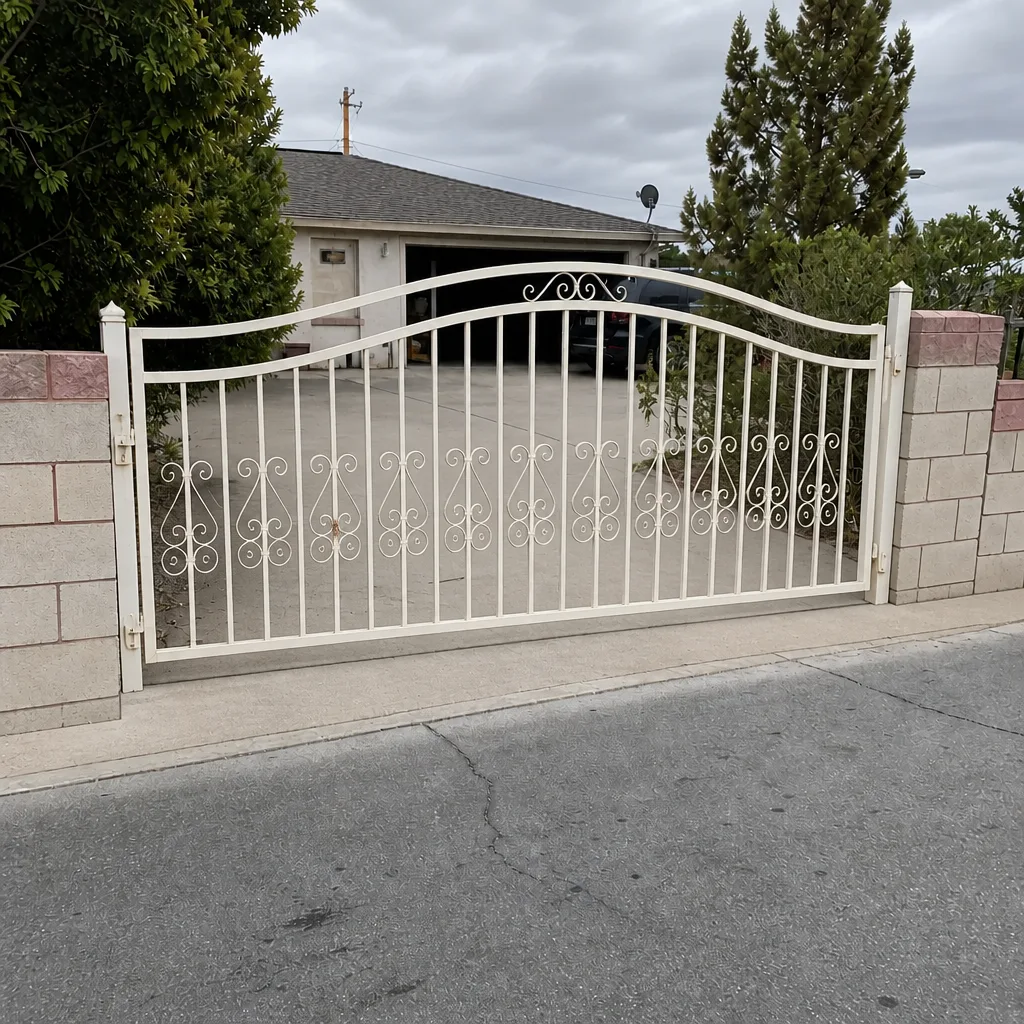 After
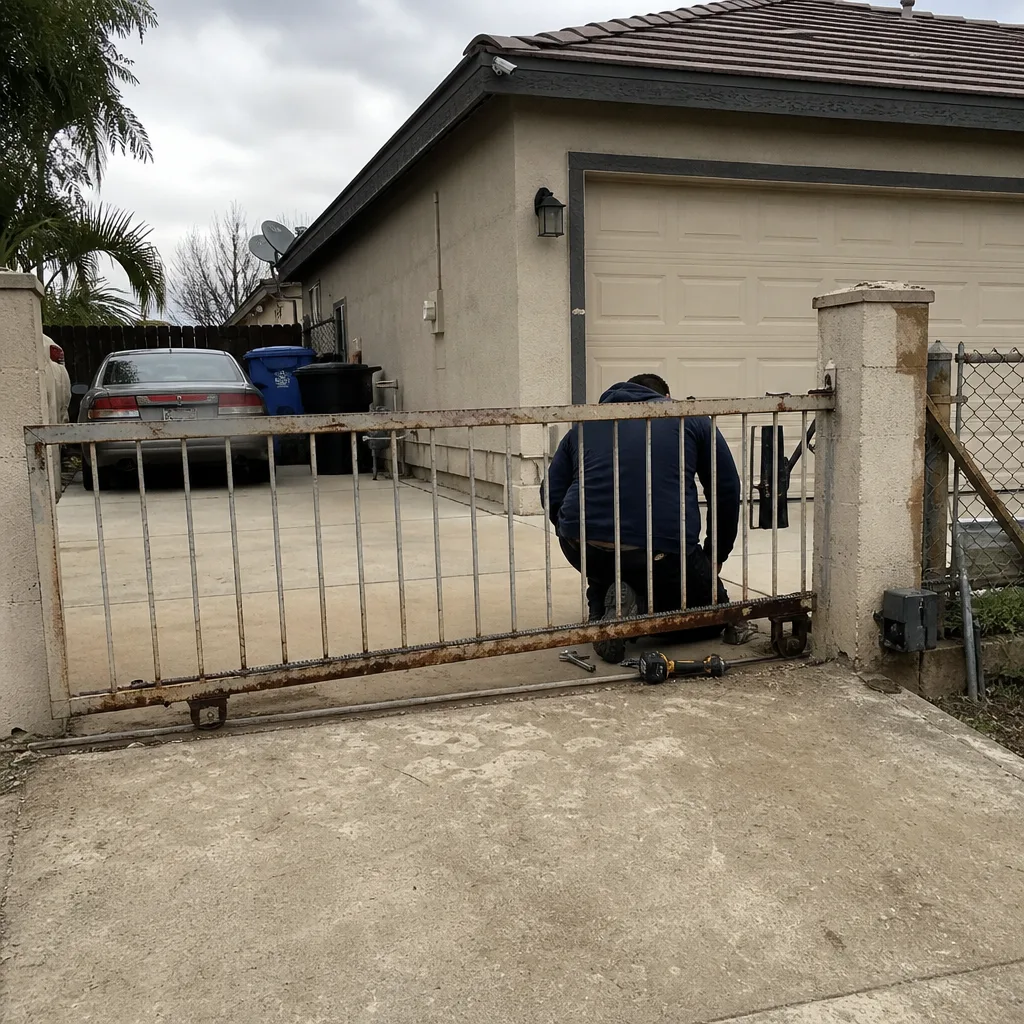 Before
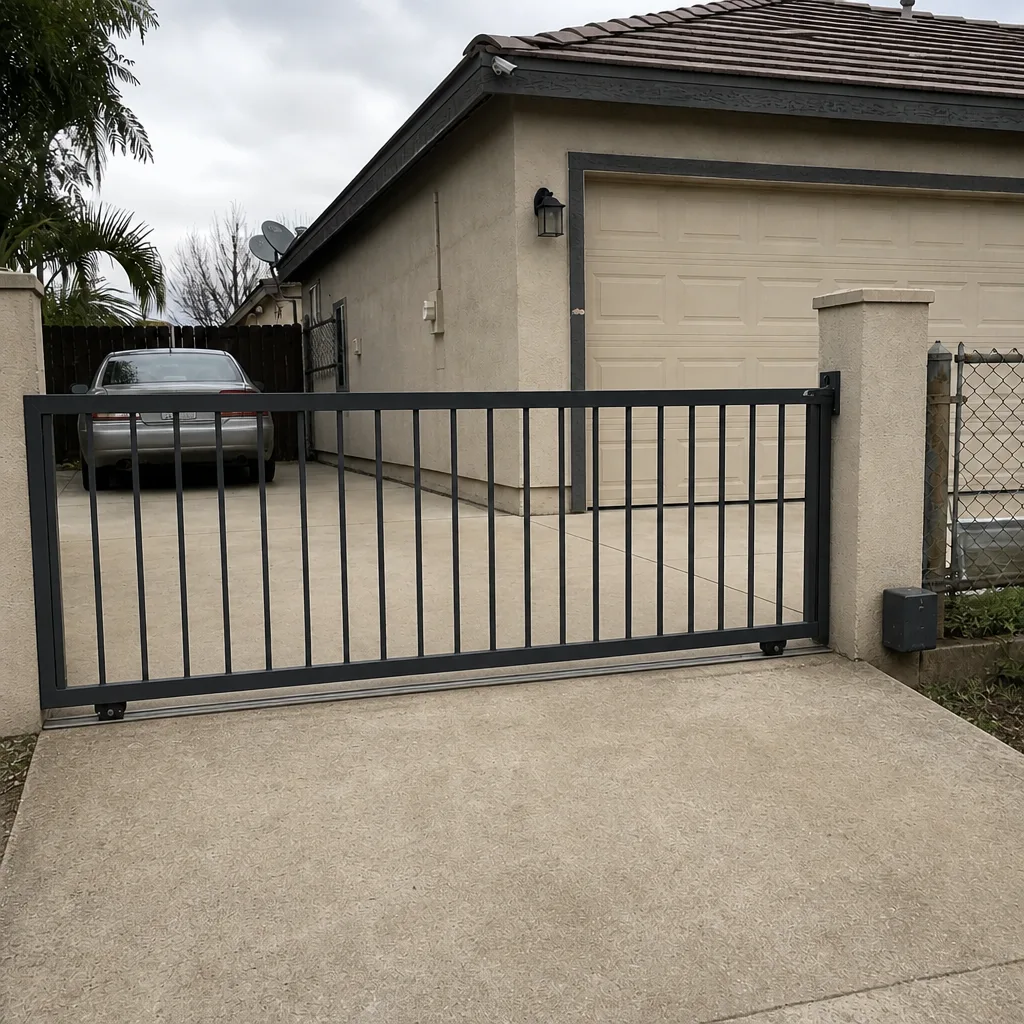 After
When to Call a Professional
Call a professional when the failure is intermittent, when multiple inputs are failing at once, or when you see any of the corrosion or rust signs on the gate posts. Those scenarios almost always point to a component or connection failure that needs a diagnostic tool and an experienced eye. Don’t open the control enclosure or attempt to work on the wiring or the operator yourself. Gate operators carry serious force, and the electrical components inside can cause injury. That’s not a warning we add for form’s sake. We’ve seen how quickly an untrained hand on the wrong terminal can turn a small repair into a serious one.
If you’re on the fence about whether it’s worth a call, describe the symptoms over the phone. Hal and the crew can usually tell you within the conversation whether it’s something worth a visit or something to watch. Gatewood Fence & Gate Spring Valley offers free estimates in Spring Valley – call (888) 300-3906. A live person answers around the clock, and the estimate is quoted and agreed before we touch a single screw.
Frequently Asked Questions
Wiring problems typically come and go with weather and affect only one input device, while board problems produce a consistent delay and often affect several devices at once. A rust streak on the gate post points to wiring. Random open/close behavior or a consistent processing lag points to the control board. Tell us which symptoms you see and we can narrow it down on the phone. Call (888) 300-3906 for an exact quote – estimates are free.
Replacing a keypad is a task a handy homeowner can sometimes manage, but connecting it correctly to the control board is not something to learn on the fly. The safe approach is to have a technician do the swap, and we’ll show you where the contact issue was on your old keypad. Call (888) 300-3906 for a free estimate.
That behavior is almost always a loop detector losing sensitivity, not an operator problem. A failing loop detects larger metal masses but misses smaller vehicles. The fix lies in the buried loop or its connection at the pavement edge, not in the keypad or remote. In Spring Valley, soil movement with heat and cooling is a common cause. Call (888) 300-3906 to schedule a diagnostic.
Most repairs – keypads, intercoms, splice repairs – take a couple of hours once we’ve confirmed the parts on hand. A loop or board replacement may take most of a full day. We confirm the window when we quote, and we show up inside that window. Call (888) 300-3906 for a free estimate.
Yes. An intermittent failure means a component is under stress but still working partially. That gives us the best chance to catch the problem at its cheapest repair point, before the part fails entirely and strands you. A total failure has already declared itself; the intermittent one hasn’t yet. It’s a small repair now and a bigger one later. Call (888) 300-3906 to get it checked.
The most useful information is which inputs fail (keypad, remote, exit button, intercom), whether the timing delays, whether the gate binds when pushed manually, and whether you’ve noticed rust or damp spots on the posts. A one-minute summary of those four things usually saves a diagnostic visit and gets you an accurate quote over the phone. Call (888) 300-3906 – a live person answers 24/7.
The Bottom Line
Gate access control failures almost never start with a bang. They start with a hesitation, a code that works “most of the time,” a rust streak on the post you keep meaning to look at. Your job as a homeowner is to notice those signals and read them as what they are: the component telling you it’s under stress. The earlier you call, the smaller the repair. When the gate is ready, that’s where our Gatewood Fence & Gate Spring Valley home page and our crew come in. We’ll also help you plan for a replacement if the electronics are truly past saving, so you can see the Gate Installation in Spring Valley options before you decide.
If any warning sign on this page feels familiar, don’t wait for the gate to strand you. Call Gatewood Fence & Gate Spring Valley at (888) 300-3906 for a free estimate. A live person answers around the clock, we quote the price before any work starts, and every job carries the 90-Day Done Right Promise in writing. The name is on the shop, the shop is down the road, and that’s the oldest accountability there is.
Written by the team at Gatewood Fence & Gate Spring Valley.