
Last updated November 17, 2026
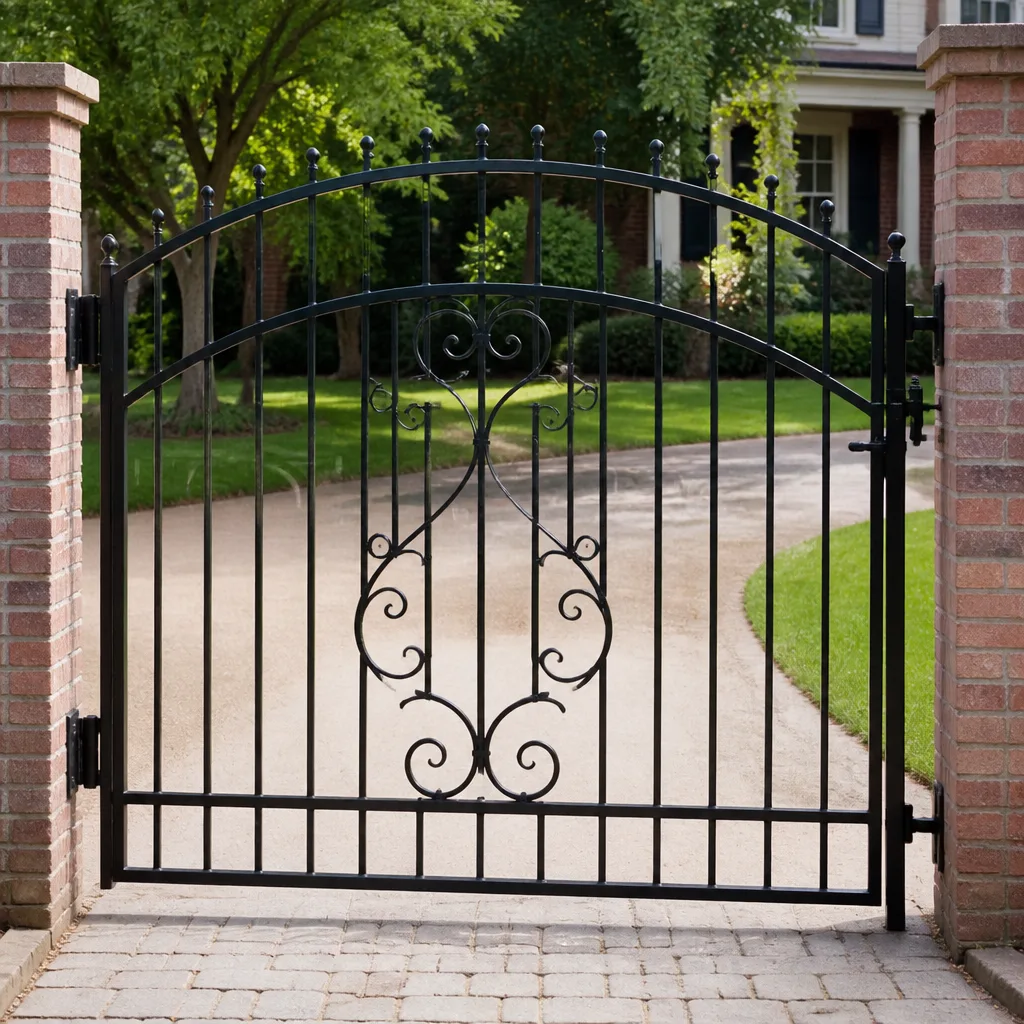 Wrought iron
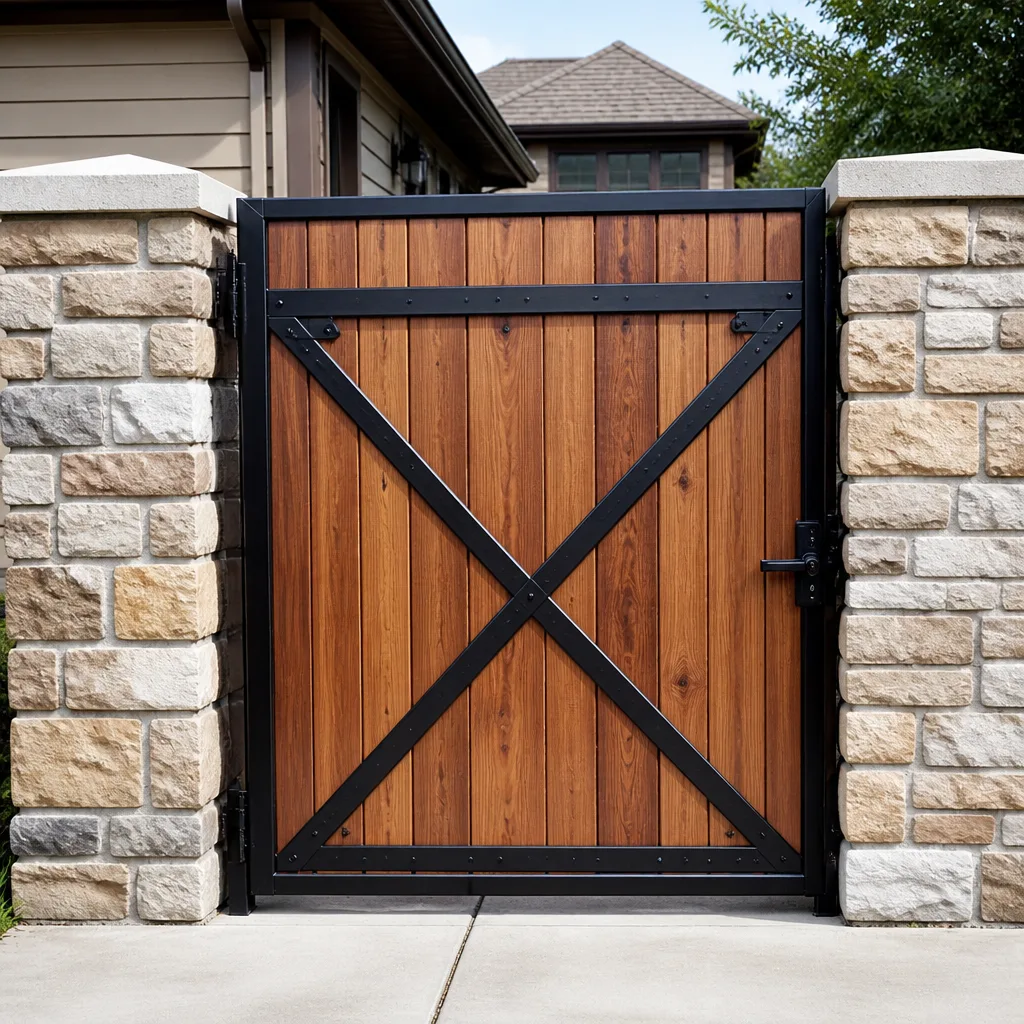 Wood & steel frame
 Farm & ranch
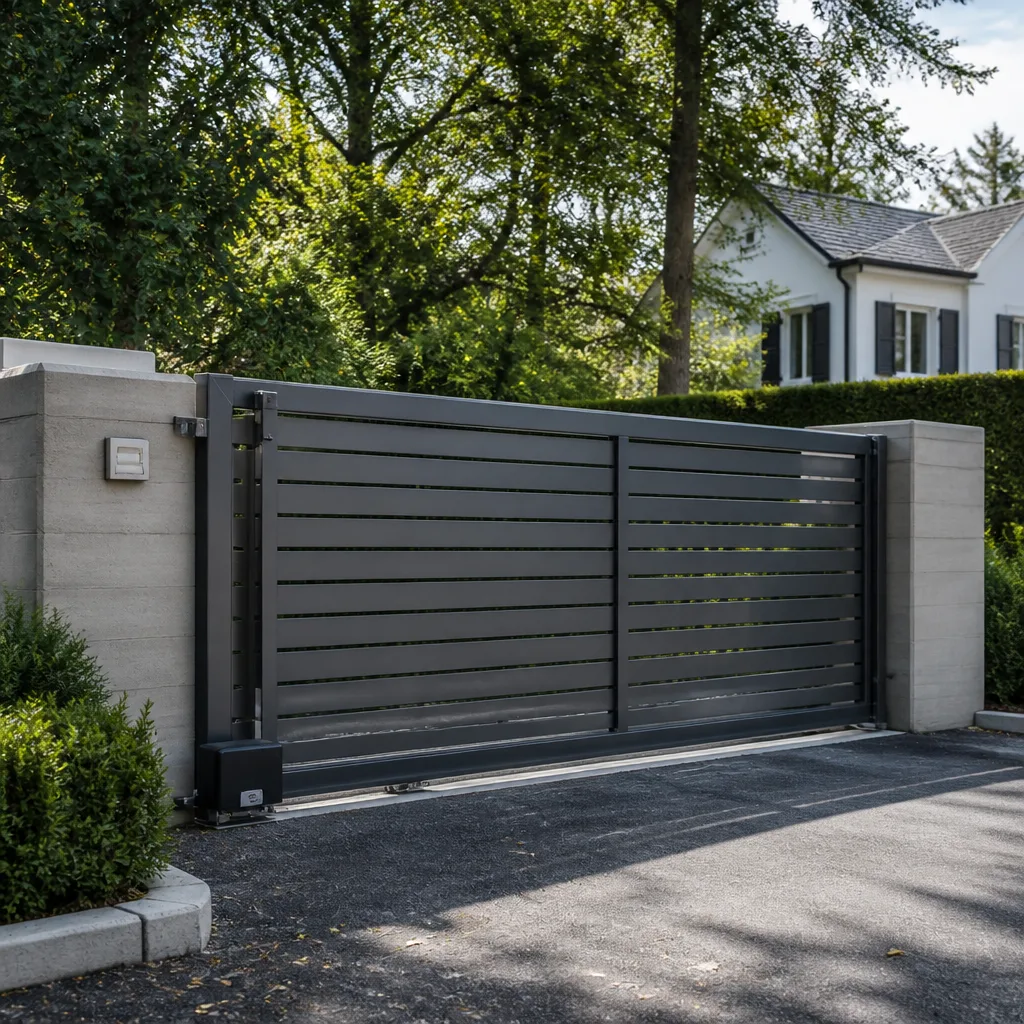 Sliding driveway gates
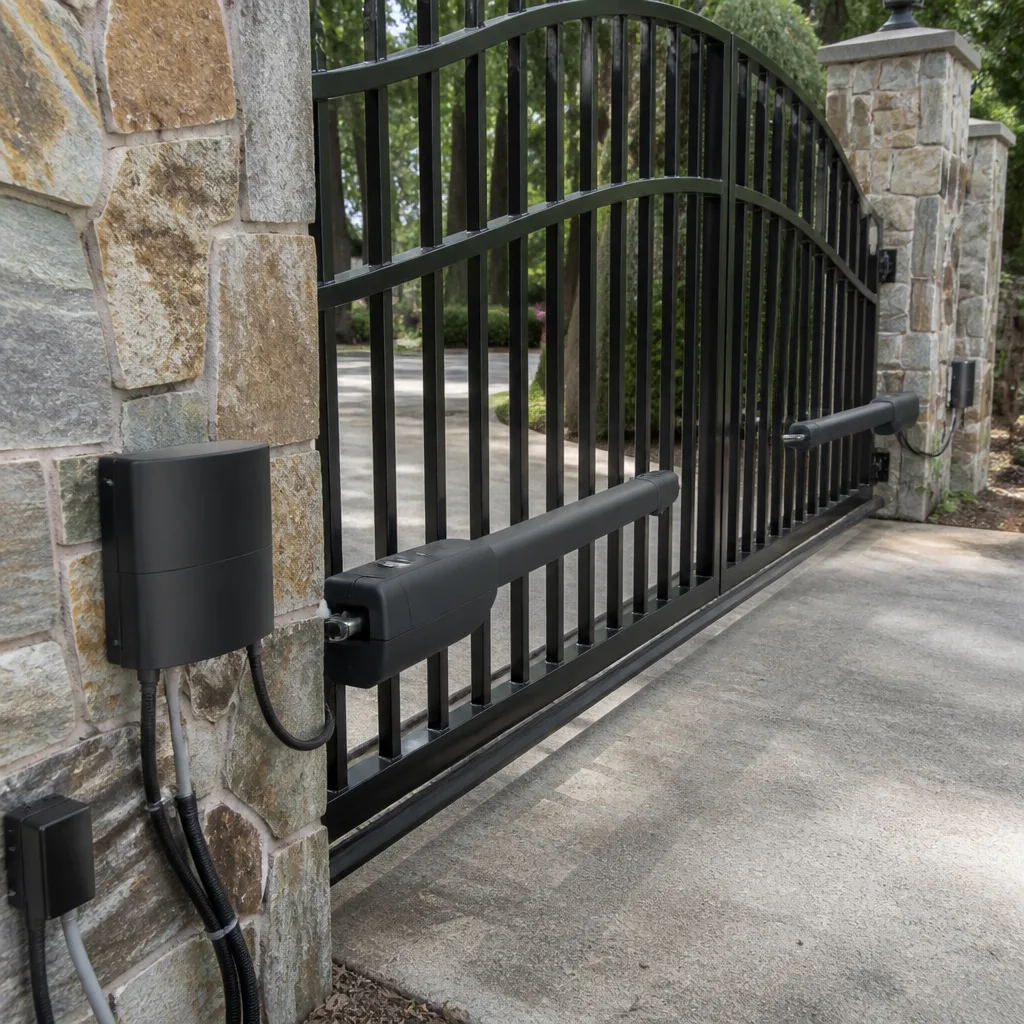 LiftMaster operators
Free on-site gate assessment - hinges, posts, and your LiftMaster or Nice gate operator checked before anything is quoted
The assessment is free and the quote is the invoice.
Get your free estimateGate Parts & Welding Troubleshooting: Common Problems and How to Fix Them
A gate that grinds at the same point in its travel every single time is not an operator problem. It’s a frame problem the operator is being forced to compensate for, and replacing the motor without fixing the frame is money thrown away. We see it constantly in Spring Valley: a homeowner replaces a perfectly good opener because the gate “kept failing,” and three weeks later the new one is straining against the same bent post. This guide teaches you to read your gate’s symptoms before you call anyone, so you spend money on the part that’s actually broken.
Quick Answer
Most gate problems fall into one of two buckets: structural (sag, bind, twist, post lean, weld crack, hinge wear) or operator (motor, control board, sensors, battery). The trick is telling them apart from the outside. If the gate moves freely by hand with the operator disengaged, the problem is the operator. If it catches, drags, or grinds by hand, the problem is in the frame, hardware, or weld, and no new motor will fix it. Reading the symptom correctly is the whole game.
Styles & brands we work with
- Wrought iron
- Wood & steel frame
- Farm & ranch
- Sliding driveway gates
- LiftMaster operators
Table of Contents
- The Symptom-to-Cause Diagnostic Tree
- Frame, Hardware, or Weld: Telling Them Apart From the Outside
- What Grinding and Squealing Are Telling You
- Sag and Post Lean: The Two Failures Behind Most Gate Problems
- Weld Cracks: Where They Show Up and Why They Matter
- Hinge Wear and the Bind That Follows
- Temporary Stabilization Before a Tech Arrives
- Three Signs a Repair Is a Real Fix vs. a Patch
The Symptom-to-Cause Diagnostic Tree
When a gate starts misbehaving, the fastest way to the right repair is to trace the symptom backward. We’ve built this tree from thousands of service calls around Spring Valley, and it holds up for driveway gates, ornamental gates, and ranch entrances alike. Walk through it in order.
- Gate grinds or catches at the same spot every cycle. Cause is almost always a frame issue: a bent rail, a twisted picket, or a post that has leaned enough to change the gate’s geometry. The operator is forcing the gate past the bind. Look at Gate Repair in Spring Valley for how we trace and correct it.
- Gate sags at the latch end and drags on the ground. Cause is hinge post movement or hinge wear. A sag is in the hinge post, not the middle of the gate, and that’s where we start.
- Operator runs but gate doesn’t move, or moves in jerks. Cause is usually the operator itself (worn gears, weak battery, clutch slipping), but confirm by disengaging the manual release and swinging the gate by hand.
- Gate reverses mid-travel or stops short. Cause is sensor or limit switch, most often after a power bump. This one is operator-side.
- Gate is twisted: one corner high, the opposite corner low. Cause is a racked frame, usually from a vehicle strike or a post that shifted after soil movement. This needs weld and frame work, not a motor.
- Visible crack at a weld joint. Cause is fatigue or a poorly prepped weld that failed. See the weld section below.
The key test that separates structural from operator: disengage the operator and push the gate through its full swing by hand. Smooth travel means operator. Any catch, drag, or hard spot means structure. That single test saves more wasted money than any other diagnostic we know.
Frame, Hardware, or Weld: Telling Them Apart From the Outside
You can tell a lot about a gate without touching anything. Stand back, watch it move through a full cycle, and read what it does. Here’s how the three failure families show themselves differently:
- Frame problems show as changes in the gate’s shape: a rail that’s no longer square to the stiles, a section that’s visibly out of line with its neighbor, or pickets that used to be plumb and no longer are. The gate’s outline has changed. Operators can’t cause that; only force or movement can.
- Hardware problems show as play at the joints: hinge pins you can wiggle by hand, a latch that no longer meets its strike, a roller that’s worn flat or is missing. The frame is straight but the parts connecting it to the post or track are loose.
- Weld problems show as cracks at the joints, often with rust bleeding out of the crack, or as a joint that has visibly opened up. A weld crack is the sneakiest of the three because the gate can look fine until a load hits it and the joint lets go.
One Spring Valley pattern worth naming: clay-heavy soil in the older parts of town moves more than homeowners expect, especially through the wet-then-dry cycle. That movement pushes hinge posts and creates the lean that reads as a hinge problem but is really a footing problem. We’ve learned to check the post base before we touch the hinge.
For anything involving the operator itself, it helps to understand where the motor ends and the gate begins. Our Gate Motor & Opener in Spring Valley page covers that boundary in detail.
What Grinding and Squealing Are Telling You
Sounds are a diagnostic shortcut most homeowners ignore. Two of them matter most, and they mean very different things.
Grinding
Grinding is metal-on-metal contact, and it usually means the gate is being forced through a bind. That bind can be a bent rail rubbing the operator arm, a gate dragging the ground because the post leaned, or a hinge pin that’s seized and dragging the gate out of plane. Grinding is the sound of the operator fighting the structure. Keep running it and you’ll wear the operator out along with whatever is already bent. This is the exact situation our opening hook describes: the operator is compensating, and it will lose.
Squealing
Squealing is friction without metal-on-metal contact: a dry hinge pin, a roller bearing that’s lost its lubricant, or a track that’s picked up grit. Squealing is usually the earlier and cheaper problem. If you catch it while it’s still a squeal, you’re looking at lubrication or a hinge swap. Let it go long enough and the squeal turns into a bind, and the bind turns into a grind, and now you’re into frame work.
What to listen for during a slow cycle:
- Same spot every time: structural (frame or hardware), not operator.
- At the very start or end of travel: limit switch or operator side.
- Only on one direction: hinge or roller on that side is the likely culprit.
- Only in cold mornings: thermal contraction tightening an already-tight clearance. Common in Spring Valley’s cooler winter mornings.
Sag and Post Lean: The Two Failures Behind Most Gate Problems
Sag and post lean are cousins, and homeowners mix them up constantly. A sag is the gate hanging low at the latch end. Post lean is the hinge post tipping off vertical. They feel similar from the driver’s seat, but they have different fixes.
Sag is nearly always hinge wear or a hinge post that has moved. The gate’s weight bears on the hinge post every time it swings, and over years that load wins. Stand at the hinge end and look straight down the gate’s length. If the top rail runs true but the gate hangs low, it’s hinge-side. If the top rail is visibly out of level, the post has moved or the frame is racked.
Post lean is more common in Spring Valley than homeowners realize because of our soil movement and the number of older fences still standing on original footings. A post can lean a quarter inch and it doesn’t matter, or it can lean a full inch and suddenly the gate bind is real. The lean changes the gate’s clearance to the operator arm and to the ground.
A sagging gate is not going to fix itself, and the longer it drags, the more the frame gets forced out of plane. If you’re seeing the sag progress, our Gate Repair in Spring Valley team can look at it before it becomes frame work.
Weld Cracks: Where They Show Up and Why They Matter
Welds fail at the joints that carry the most load: the top corners of the frame, the hinge-side stiles, and the gussets that stiffen the corners. A crack at any of these means the gate’s structural integrity is compromised, and that’s a safety issue, not just a cosmetic one. A gate that lets go under load can swing into a vehicle, a person, or a pet.
Where to look for cracks:
- Both top corners of the frame
- Where the horizontal rails meet the hinge-side stile
- The hinge-to-frame attachment points
- Any gusset or diagonal brace
- The post-side hinge brackets
Rust bleeding out of a joint is the tell that a crack has opened and is taking on water. We see this in Spring Valley after the summer-to-fall temperature swings, when the gate moves enough to open a hairline crack and then the fall rain finds it. If you find a crack, don’t run the operator. A cracked joint can let go at any point in the cycle.
Welding on site is the difference between a real fix and a tow-away. Our Gate Installation in Spring Valley page explains how a properly welded frame is built in the first place, which helps you spot shortcuts in an existing gate.
Hinge Wear and the Bind That Follows
Hinges take the beating. Every swing transfers the gate’s weight onto the hinge post through those pins and brackets. When a hinge wears, the gate drops a fraction of an inch on that side, and that fraction is enough to change the gate’s clearance at the operator arm and at the ground. Now the gate binds. Now the operator pushes harder. Now the frame takes the load, and eventually a weld cracks.
Signs of hinge wear you can check by eye:
- Hinge pins that wiggle by hand or that have visible play in the bracket
- Rust or metal dust collecting under the hinge
- The latch no longer aligning with the strike without a lift or push
- A gate that swings easily one way but catches the other
- The gate visible hanging low at the hinge end at rest
Hinge wear is the cheapest problem to fix early and the most expensive to ignore. Catching it while it’s still a hinge means a hinge swap. Catching it after the bind has racked the frame means weld and frame work. That’s the whole reason we push homeowners to call on the first grind.
Temporary Stabilization Before a Tech Arrives
If your gate is grinding, sagging, or has a visible weld crack, there are safe things you can do to keep it from getting worse while you wait for service. There are also things you should not do, because they can turn a repair into a rebuild (or worse).
Safe steps:
- Disengage the operator. Most operators have a manual release, usually a keyed handle or a lever under the housing. Put the gate in manual and leave it there. This takes the load off the operator and off the bind.
- Chock the gate in the open position if it’s dragging. A rubber wheel chock or a block of wood under the low corner will keep the weight off the hinges and off the frame.
- Stop cycling it. Every cycle through a bind is more fatigue on the joint that’s already working.
- Clear the path. If the gate drags the ground, remove any loose gravel or debris, and if the gate swings over a driveway, warn the household not to drive under it until it’s fixed.
Steps to avoid: don’t cut, grind, or weld on the gate yourself, and don’t loosen post brackets to “straighten” the gate. Both can drop the gate or, on a heavy gate, take a post out of the ground. Gate welding and frame work belong to a trained hand. If the operator is what you’ve confirmed as the problem and you’re not sure what to do with it, our Gate Motor & Opener in Spring Valley team can talk you through whether it needs service now or can wait.
Three Signs a Repair Is a Real Fix vs. a Patch
Not every repair holds. Some are real fixes, and some are patches that fail again in six months. Here’s how to tell which one you’re being sold:
- The cause is named, not just the symptom. A real fix names the cause: “the hinge post leaned, and we reset it.” A patch names the symptom: “we adjusted the operator.” If the tech can’t explain the cause, the symptom will be back.
- The frame is addressed, not just the hardware. Replacing the operator on a binding gate is a patch. Replacing the hinge on a sagging gate without checking the post is a patch. A real fix goes to the frame, the post, and the weld, and confirms the gate swings freely by hand before the operator goes back on.
- It’s welded, not bolted or clamped, where the original was welded. Clamps and bolt-on brackets are a patch. A welded joint, correctly done on site, is the fix. Bolted repairs on a welded frame are a sign somebody’s hoping the problem doesn’t come back.
If a repair comes with a written guarantee, that tells you the company believes it will hold. Gatewood’s 90-Day Done Right Promise is the plain-language version of that: if it isn’t done right, we make it right. Fix the panel without the post and you’ll fix it twice, and the promise exists so you don’t pay for the second visit.
Common Mistakes to Avoid
- Replacing the operator first. If the gate binds by hand, the operator is a bystander, not the cause. Replacing it wastes money and puts a new motor on the same broken frame.
- Assuming a sag is a gate problem. A sag is in the hinge post, not the middle of the gate. Diagnose the post before you touch the panel.
- Bolting a weld crack instead of welding it. A bolted crack is a patch that opens again. Spring Valley’s temperature swings will remind you by fall.
- Ignoring the first squeal. A squeal caught early is a hinge or lube job. Left through the bind stage, it’s frame work.
- Not disengaging the operator to test. Homeowners run the motor over and over trying to diagnose it, and every cycle wears the operator and the frame a little more.
- Cutting or grinding on a gate to “see what’s loose.” Cut a weld on a loaded gate and you can drop it or spring a post. Leave the cutting to a trained hand.
- Taking a phone-quoted price as final. A real price is a written price, agreed before work starts, not a number on the phone that changes at the door.
See the difference
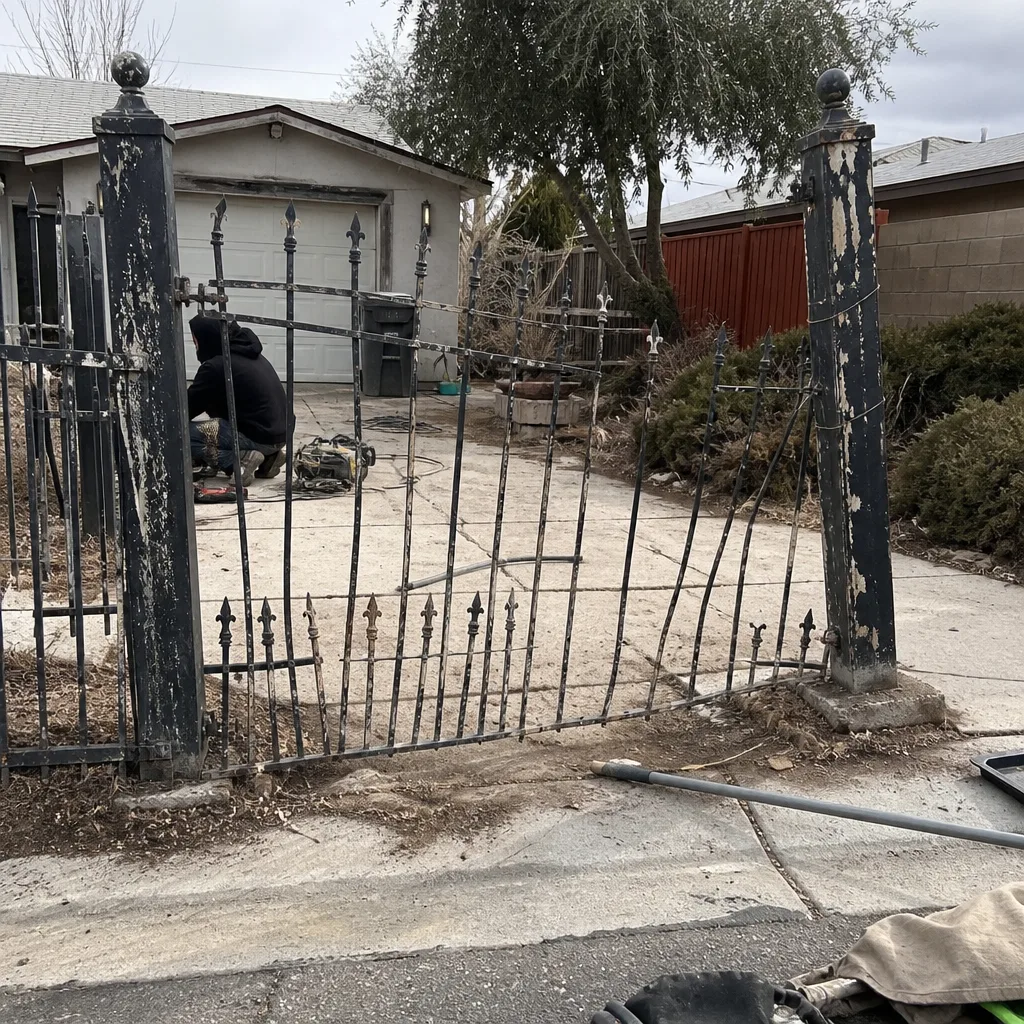 Before
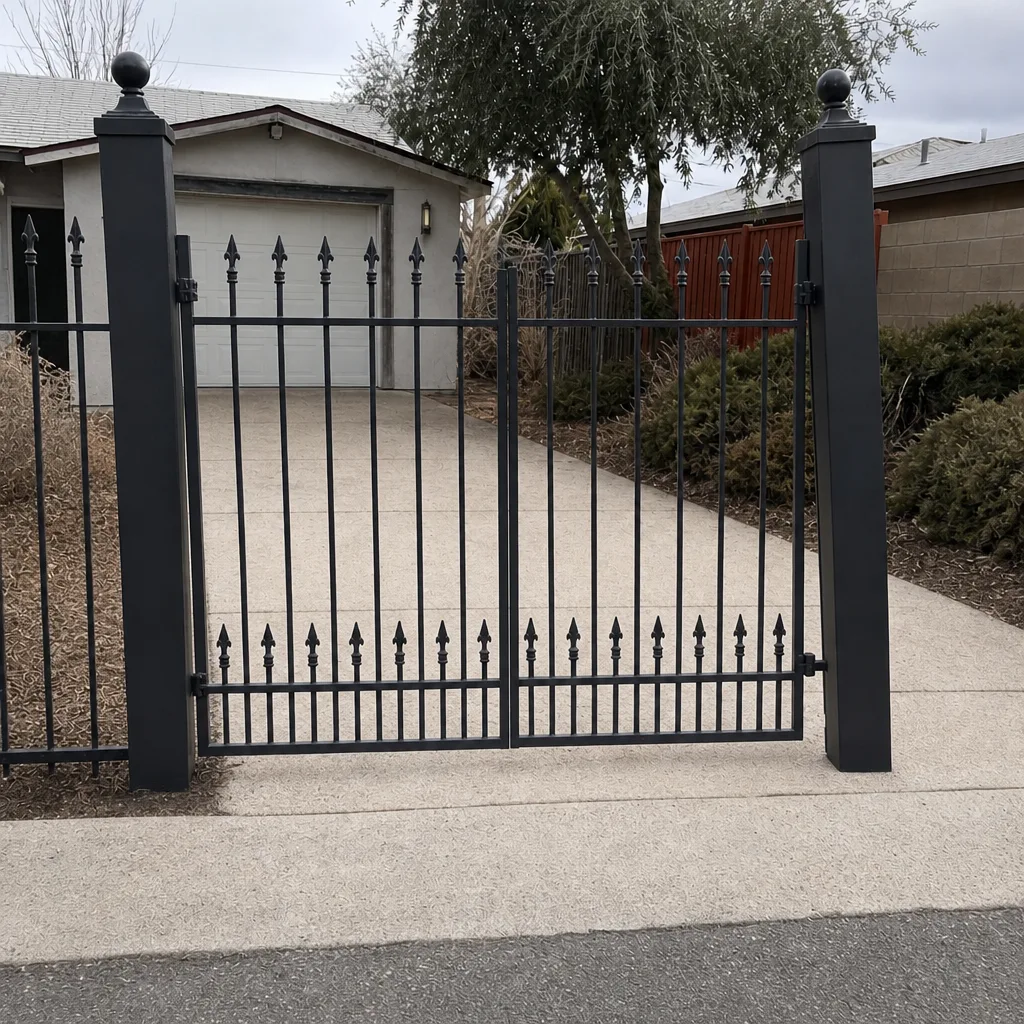 After
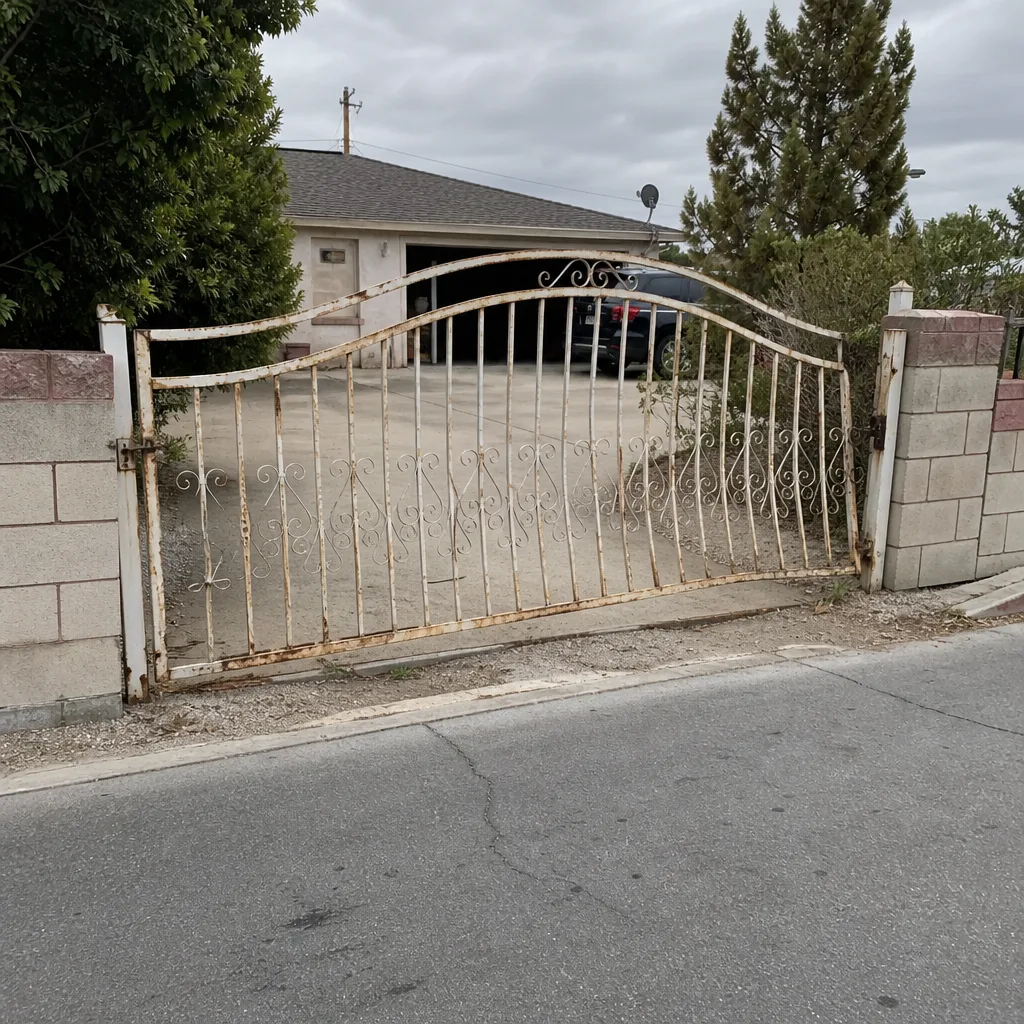 Before
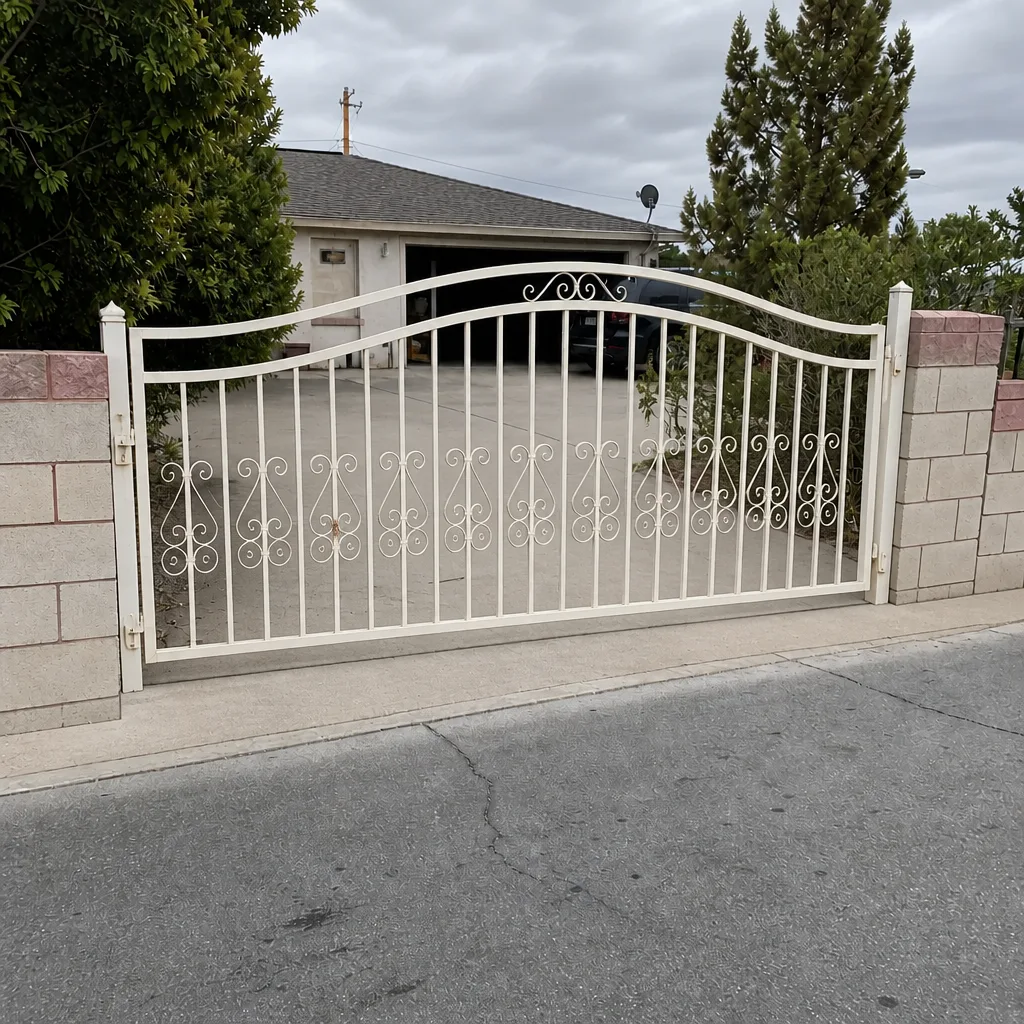 After
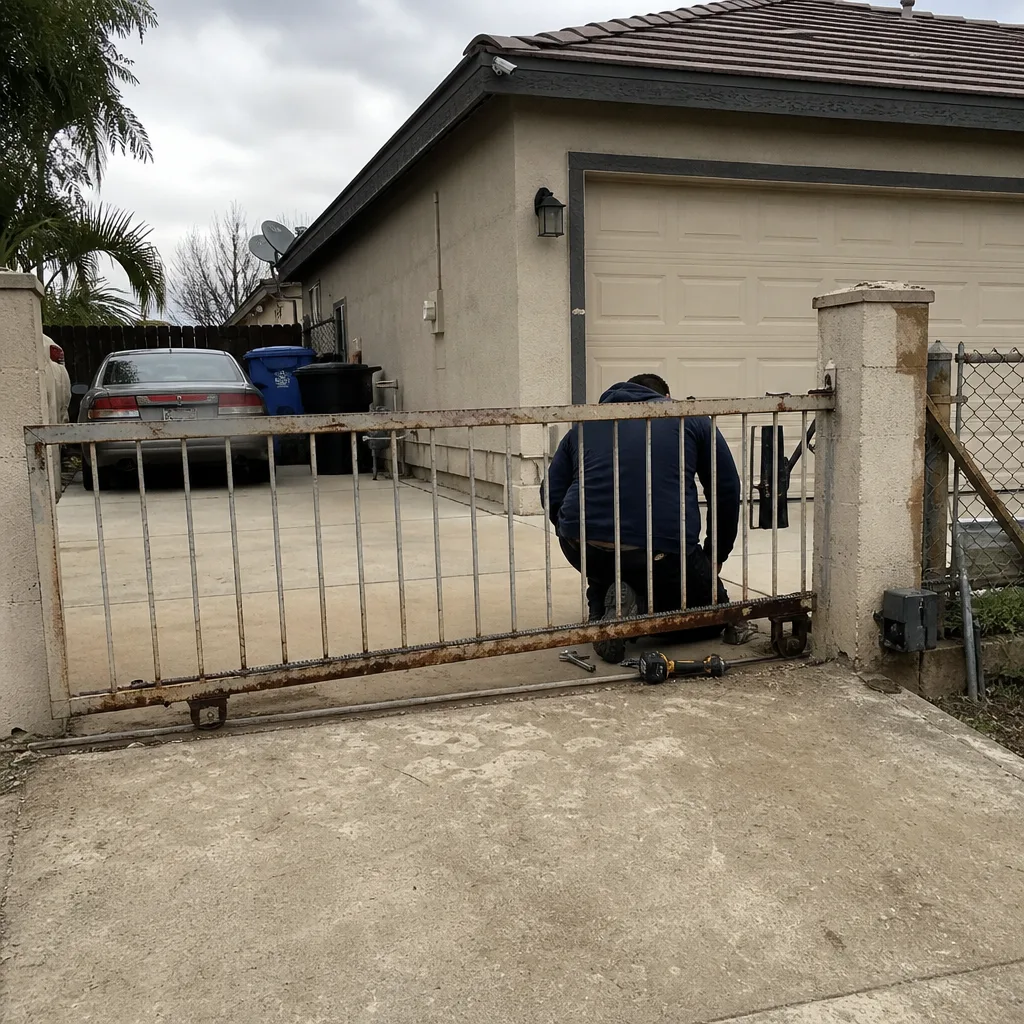 Before
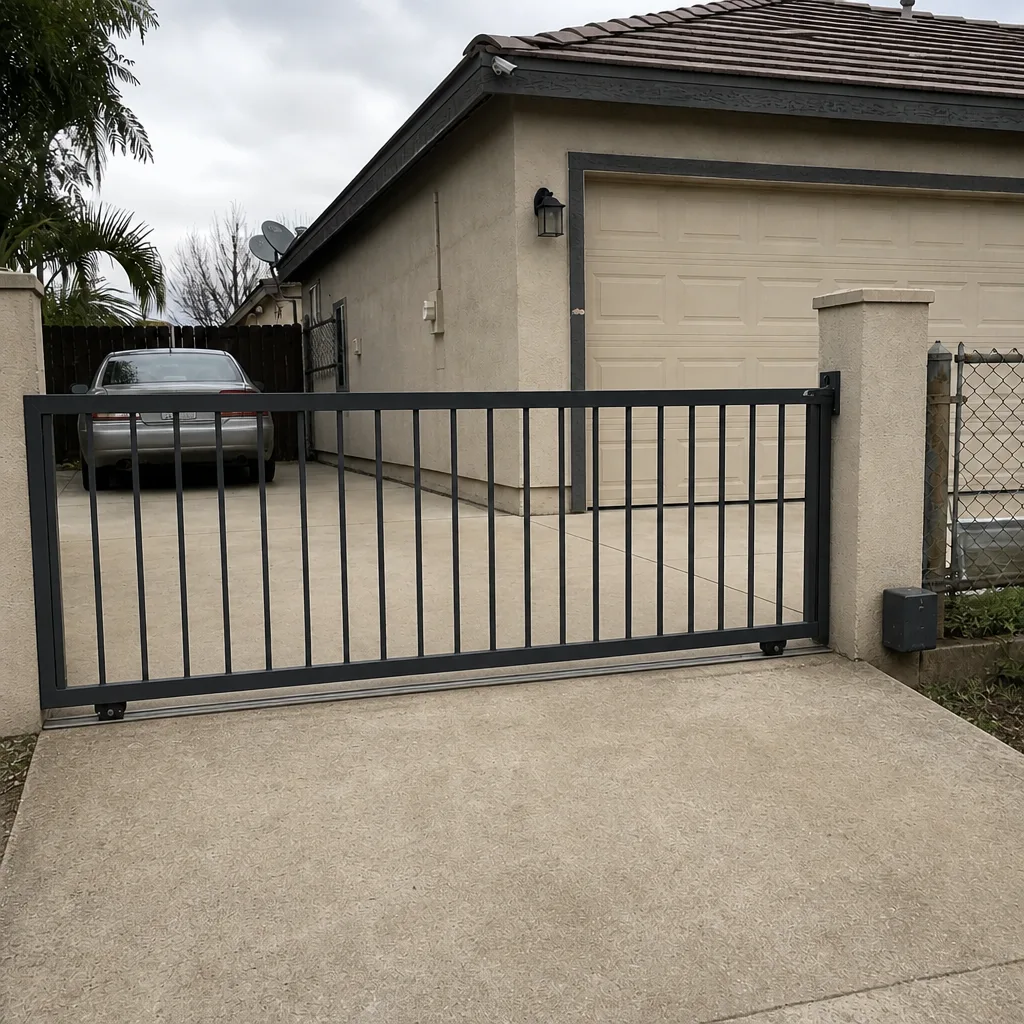 After
When to Call a Professional
Call when the gate binds by hand through its travel, when you see a weld crack or rust bleeding from a joint, when the gate sags and won’t latch, or when a post has visibly leaned. Those are structural, and they can put a gate down on something or someone. Call also when the operator runs but the gate doesn’t move smoothly, because that means the operator is compensating for a structural bind and the problem is only getting worse. Don’t call a gate a “DIY project” if you can’t swing it by hand without a catch. Gatewood Fence & Gate Spring Valley offers free estimates in Spring Valley and can look at your gate, name the cause, and quote the real fix before anything is touched. Call (888) 300-3906. Prices are agreed before any work starts, and we don’t surprise you at the end.
Frequently Asked Questions
Disengage the operator’s manual release and push the gate through a full swing by hand. If it moves smoothly, the problem is the operator. If it catches, drags, or grinds at any point, the problem is structural, and a new operator won’t fix it. That’s the first test we run on every call, and it decides the whole repair before any tool comes out.
A grind at the same point every cycle is a frame or hardware bind the operator is being forced through. Look for a bent rail, a seized hinge, or a post lean that’s changed the gate’s clearance. Running it through the bind wears the operator along with the frame, so call on the first grind rather than the fifth.
Yes. A competent welder can grind the old joint, prep the metal, and re-weld it correctly in your driveway, no towing required. A patch, like a bolted bracket over the crack, will fail again in a season or two. Fix the post and the frame at the same time and the weld will hold.
It depends on the failure: a hinge swap is at the low end, and frame straightening plus weld work on a post or racked frame is at the high end. The number that matters is the written quote, agreed before work starts. Call (888) 300-3906 for a free estimate, and we’ll tell you what’s actually wrong before we give you a price.
No. A cracked joint can let go mid-cycle and swing the gate into a vehicle, a person, or a pet. Disengage the operator, chock the gate if it’s dragging, and leave it manual until it’s inspected. Don’t grind, cut, or weld on it yourself.
Put the gate in manual, chock the low corner if it drags, and stop cycling it. Warn the household not to drive under it until it’s fixed. Leave the cutting, welding, and post work to a professional, because a loaded gate can drop or a post can come out of the ground.
The Bottom Line
Gate problems look alike from the driver’s seat, but they’re not. A bind that grinds at the same point every cycle is structural; a grind at the very start or end of travel is operator-side; a sag is in the hinge post; a squeal is a hinge or lube issue that turns into a bind if you wait. Reading the symptom correctly decides the whole repair, and reading it wrong is how a $200 hinge job turns into a $900 motor you didn’t need. Disengage, swing by hand, listen for where the problem lives. That’s the whole method. If you get to the point where you’d rather have a trained hand look at it, Gatewood Fence & Gate Spring Valley answers the phone around the clock and gives free estimates in Spring Valley. Call (888) 300-3906. And if you want the bigger picture on when a repair beats a replacement, start at our Gatewood Fence & Gate Spring Valley home page.
Written by the team at Gatewood Fence & Gate Spring Valley.