
Last updated November 18, 2026
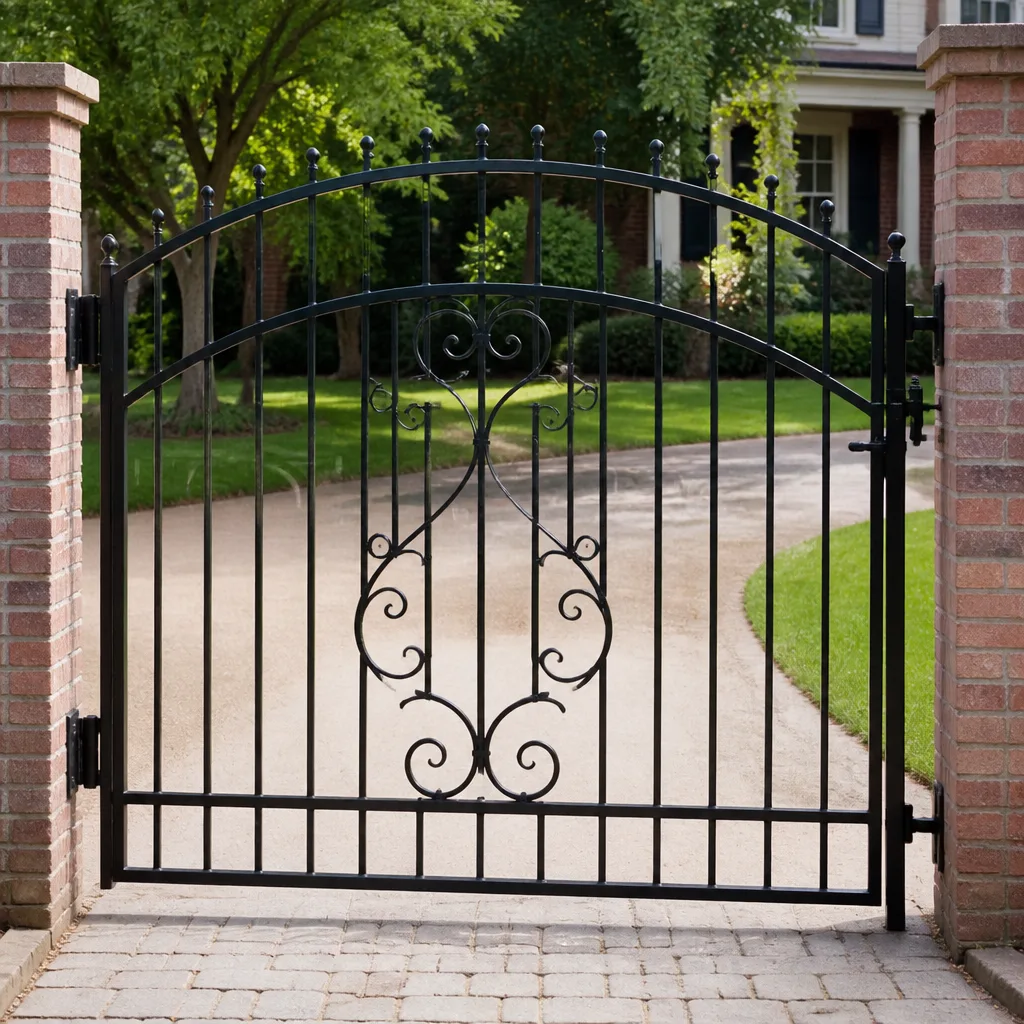 Wrought iron
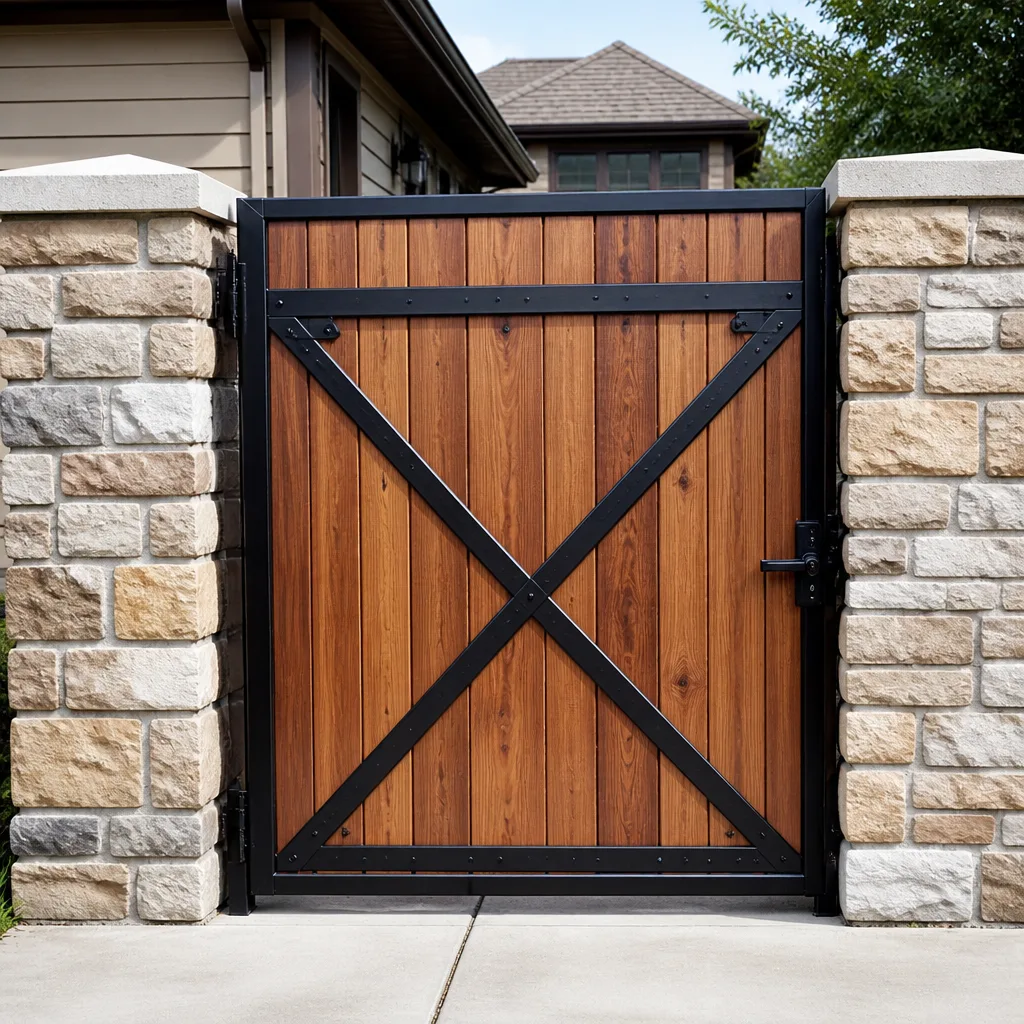 Wood & steel frame
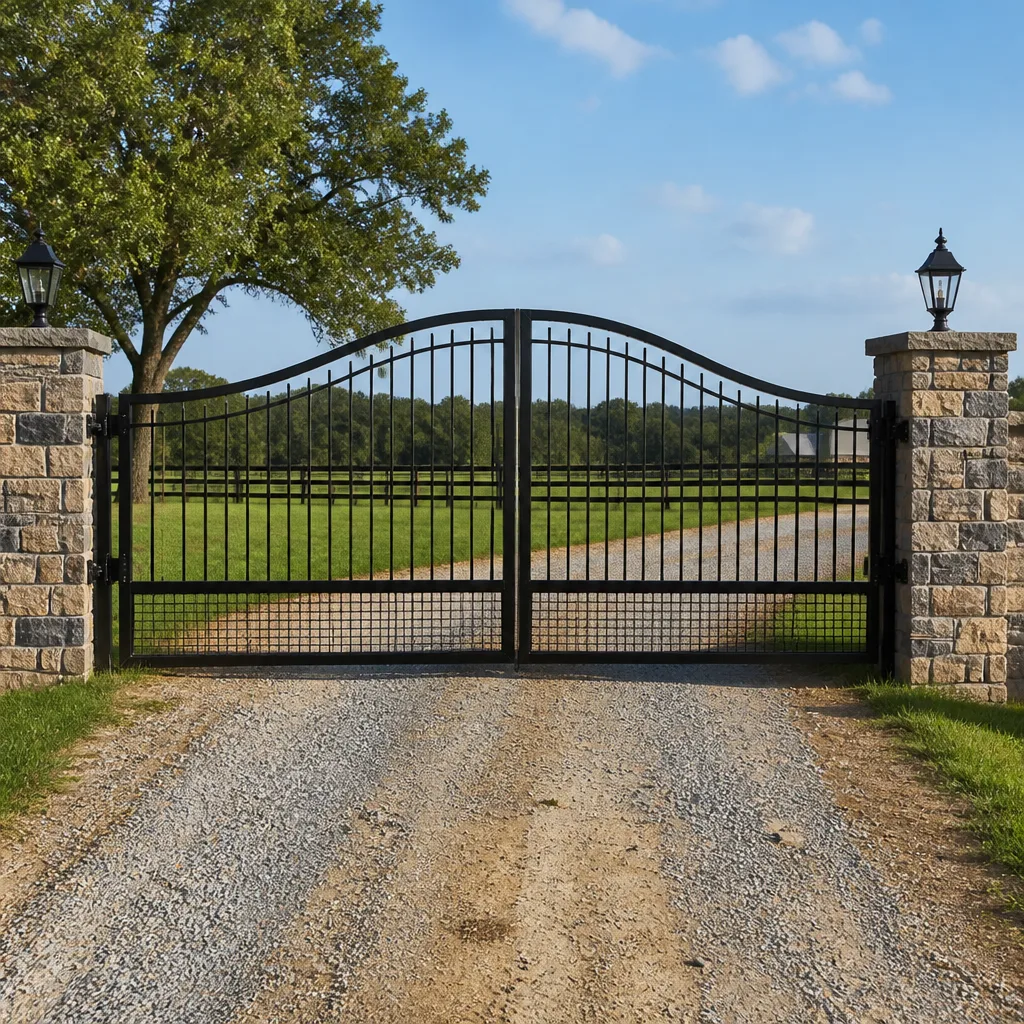 Farm & ranch
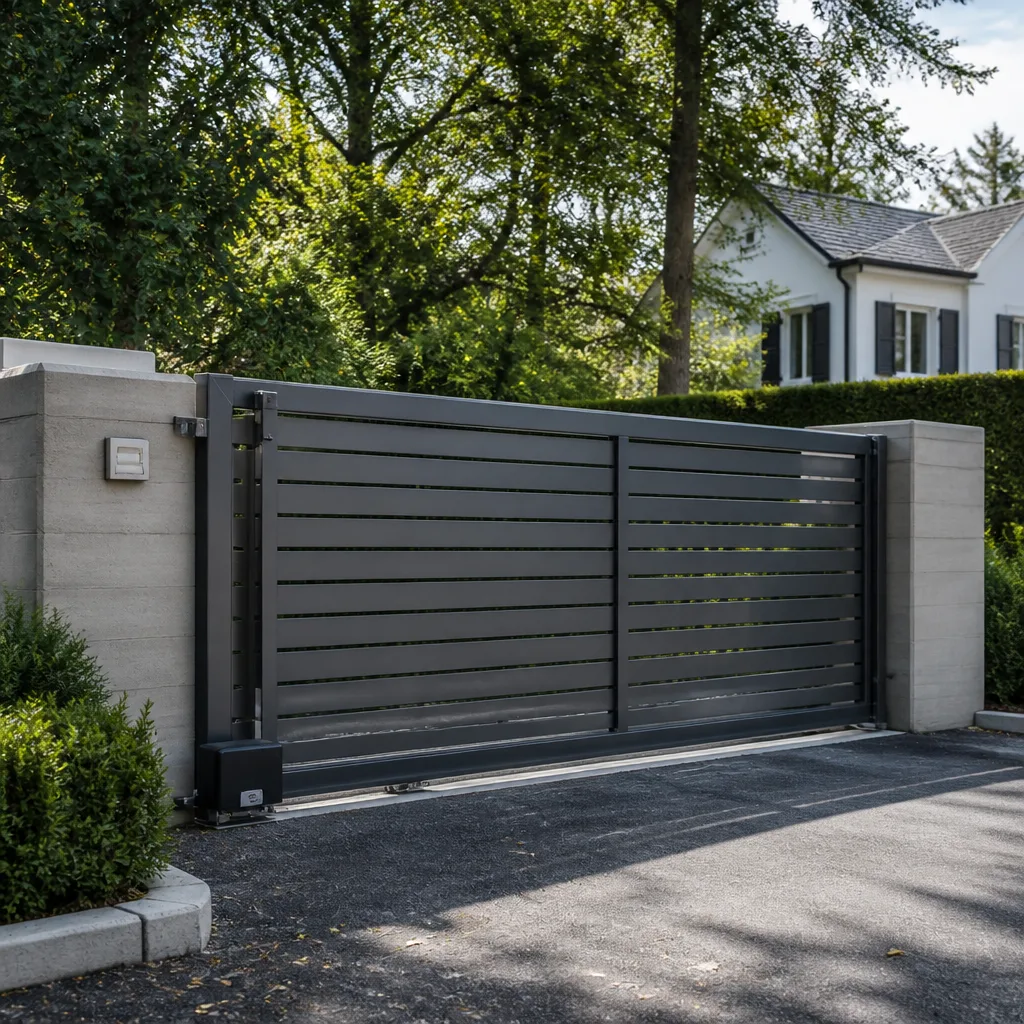 Sliding driveway gates
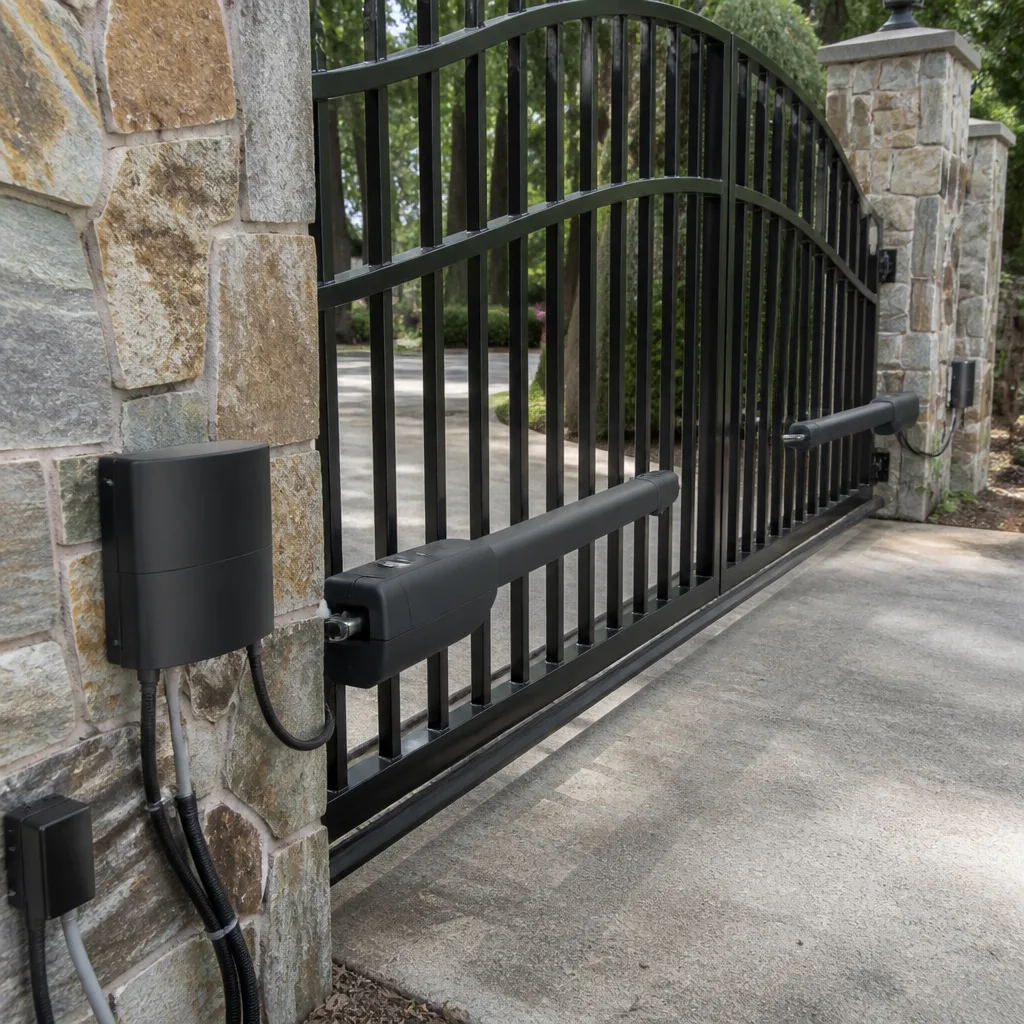 LiftMaster operators
Free on-site gate assessment - hinges, posts, and your LiftMaster or Nice gate operator checked before anything is quoted
The assessment is free and the quote is the invoice.
Get your free estimateThe Complete Guide to Gate Repair in Spring Valley
The number-one call we get isn’t “my gate is broken.” It’s “the last guy replaced a part that didn’t need replacing, and now it’s broken again.” That pattern shows up so often here in Spring Valley that we can usually name the failed component before we pull into the driveway. Gates in this valley don’t fail the way they do in Reno or up in the mountains, because caliche soil, 110-degree summers, and a January freeze-thaw cycle do their own particular kind of damage. This guide walks through every gate type, failure mode, and repair path the way we’d explain it over the back fence, so you can tell what’s actually wrong before you pay anyone for the wrong fix.
Quick Answer
Most gate problems in Spring Valley come down to one of three root causes: a hinge post that has shifted in caliche soil, hardware that has loosened from temperature movement, or an operator that’s out of adjustment. Genuine gate replacement is needed far less often than homeowners are told. A careful inspection and repair almost always costs less than a new gate, and it usually lasts longer than a bolt-on part swap.
Styles & brands we work with
- Wrought iron
- Wood & steel frame
- Farm & ranch
- Sliding driveway gates
- LiftMaster operators
Table of Contents
- Why Gates Fail in Spring Valley’s Desert Climate
- Repair, Re-Hang, or Replace: The Three Tests
- Swing, Slide, and Overhead Gates: How Each Fails
- Why On-Site Welding Beats Bolt-On Replacement Parts
- Gate Operators and Openers: When the Motor Is Not the Problem
- Red Flags in a Repair Quote
- What Gate Repair Typically Costs in Spring Valley
- What You Can Check Yourself and What You Shouldn’t
Why Gates Fail in Spring Valley’s Desert Climate
Spring Valley sits on a layer of caliche that most of the country never deals with. Caliche is a cemented, calcium-carbonate hardpan that forms just below the surface, and it does two things to a gate: it drains poorly, and it shifts. When a hinge post is set into soil that doesn’t drain, water pools at the base after a storm and softens the ground around the post. Over a season or two, that post leans a fraction of an inch. You won’t see it standing at the gate. You’ll see it when the gate drags at the latch side and won’t close on its own.
Then there’s the heat. A steel or wrought iron gate in Spring Valley expands and contracts through a summer that regularly tops 110 degrees, and the fasteners holding the hinges and the frame together work loose because of it. Add a January freeze-thaw cycle where the ground swells and settles, and the same post that leaned in summer can shift the other direction in winter. This is why a gate that “worked fine last month” suddenly won’t latch. It’s not mysterious, and it’s not the motor. It’s the ground and the temperature, working on the post and the hardware.
Wood gates take a different beating. The dry air pulls moisture out of the boards and the joints open up, then the monsoon humidity comes back and the wood swells against hardware that’s already loose. Paint fails fast on the sunny side. We’ve seen plenty of wooden gates in Spring Valley that looked sound until you grabbed the hinge side and felt it move.
- Caliche soil holds water and shifts, so hinge posts lean over time.
- 110-degree summers expand metal and loosen fasteners at hinges and frames.
- January freeze-thaw swells and settles the ground, moving posts in the opposite direction.
- Dry air followed by monsoon humidity opens and closes wood joints against hardware.
Repair, Re-Hang, or Replace: The Three Tests
Here’s the part that saves people money. Before anyone quotes you a new gate, you can run three tests in about five minutes and get a very good idea of which of the three paths you’re on. A gate sags in the hinge post, not in the middle, and that’s where the real diagnosis starts.
Test 1: The drop test. Open the gate halfway and let it go. If it swings and settles to one side or won’t hold where you put it, the post or the hinges are out of plumb. That’s a re-hang or a post fix, not a new gate.
Test 2: The grab test. With the gate closed, grab the hinge side and push and pull firmly. If the whole post moves in the ground, the problem is the post footing, and a repair that only touches the panels will fail within a season. If the post is solid but the hinge plates wiggle, the hardware has loosened, and that’s a straightforward fix.
Test 3: The straight-edge test. Lay a straight edge or a string along the top rail of the gate. A gentle bow can be welded or braced. A sharp kink at a weld, or rust that has eaten through a section of frame, is where replacement of a panel or a section becomes the honest answer. Fix the panel without the post and you’ll fix it twice, and the same goes the other way.
If your tests point to a hinge or post problem, the right path is gate repair in Spring Valley, not replacement. A gate that genuinely needs replacing usually fails the third test hard, with structural rust or a bent frame that can’t be brought back true.
Swing, Slide, and Overhead Gates: How Each Fails
Each gate type has its own predictable failure pattern, and knowing which one you have tells you what to look at first. Most homes in Spring Valley have swing gates, but we see plenty of slide gates on larger lots and overhead gates on garages and commercial-style drives.
Swing gates
The most common failure is a sagging hinge post, which shows up as a gate that drags at the latch. Second most common is worn hinge hardware, especially after a hot summer. Repair timeline is usually same-day for hardware and hinges, and one to two visits when a post needs resetting or a new footing.
Slide gates
Slide gates fail at the track and the rollers before anything else. Caliche grit and dust work into the track and chew up the rollers, and the gate starts to jump or grind. The fix is usually new rollers and a track clean-up, not a new operator. Track alignment becomes the issue if the ground under the track has shifted, which is common after a winter here.
Overhead gates
Overhead gates live or die by their springs and their balance. A gate that slams or won’t stay up has a spring problem, and that’s the one component we tell every homeowner to leave alone. High-tension springs and cables store enormous energy, and a spring that lets go can cause serious injury. That’s a job for a trained professional every time.
- Swing gate: sagging hinge post and worn hinges – the drag at the latch is your tell.
- Slide gate: clogged track and worn rollers from caliche dust – the grind or jump is your tell.
- Overhead gate: spring balance and cables – never a DIY repair, because the stored energy is dangerous.
Why On-Site Welding Beats Bolt-On Replacement Parts
This is where we get genuinely annoyed at sloppy work we find left behind. A lot of “repairs” are really just a bolt-on bracket slapped over a cracked weld or a loosened hinge plate. It looks fixed when the tech drives away. Six weeks later, after a few hundred open-close cycles in the desert heat, the bolts back out and the gate is loose again, worse than before because now the original weld is hidden under a bracket nobody checked.
On-site welding fixes the gate where it stands. Instead of hauling the gate off or swapping parts that don’t need swapping, we weld the joint back solid, dress it, and check the alignment before we leave. The gate stays in your driveway, and the repair is a real repair, not a patch over a problem. For wrought iron and steel gates, welded repairs hold because the metal is joined the same way it was built; bolt-on parts loosen because the fasteners fight the same temperature swings that started the problem.
If you’ve had a bracket-style repair that came loose, that’s not a sign the gate is beyond saving. It’s usually a sign the original damage was never welded in the first place. A proper weld, checked and dressed, is the difference between a fix that lasts a season and one you forget about.
Gate Operators and Openers: When the Motor Is Not the Problem
A gate that won’t open is not always a dead motor. In our experience, the biggest share of “the opener is broken” calls turn out to be a mechanical bind, a misaligned track, a tired battery in the remote, or a safety sensor that’s out of adjustment. The operator is doing exactly what it’s told, and it’s the gate that’s fighting it. Replacing a perfectly good motor because the gate is dragging is one of the most common ways homeowners get talked into paying for the wrong fix.
We’re certified to service nine major gate brands, including LiftMaster, FAAC, BFT, Linear, Viking, Ghost Controls, DoorKing, Elite, and Mighty Mule, so we can tell the difference between a controller fault and a mechanical bind quickly. When the operator genuinely needs service, or when you’re adding automation to a gate that doesn’t have it yet, that’s a measured, scheduled job rather than a same-day emergency. Gate motor and opener service in Spring Valley starts with a free measure and a written price, so you know what the work involves before anything gets ordered.
If your operator is overdue for a check, or you’re adding one for the first time, call us and we’ll set up a time to look at the gate and the power side together. That work is planned, not rushed, and the quote gets agreed before we start.
Red Flags in a Repair Quote
Most of the homeowners we meet in Spring Valley have already been burned once. The quote was one price on the phone and another at the door, or the fix “required” a full replacement when a weld would have done it. Here are the red flags that tell you a contractor is upselling replacement when repair is the right call.
- “Your gate is too old to repair.” Age alone is never the reason. Metal can be welded and hardware can be replaced regardless of how long the gate has stood there.
- A quote that skips the post. If the post is moving and the quote only covers panels or hinges, the repair won’t hold, and you’ll be paying again.
- The price changes at the door. A written estimate should hold. If it moves when the tech arrives, that’s not an estimate, it’s a starting bid.
- No warranty in writing. A repair worth doing is a repair worth standing behind on paper. Ask to see the guarantee before any work begins.
- Bolt-on parts offered as the fix for a cracked weld. That’s a patch, not a repair, and it loosens within a season.
- A new-operator pitch when the gate is mechanically binding. Fix the bind first, then decide whether the motor needs anything.
If the quote you’ve been given doesn’t survive those six questions, it’s worth a second look. We offer a free second opinion on any written estimate, no strings attached, because the honest answer is usually cheaper than the one you were handed.
What Gate Repair Typically Costs in Spring Valley
Homeowners ask what a repair costs before they ask anything else, and the fair answer is that it depends on which of the three tests above you failed. The ranges below reflect what we see in the Spring Valley market. Your exact price is quoted and agreed before any work starts, so there are no surprises when the invoice arrives.
- Hinge or hardware repair: a modest repair, usually completed in a single visit.
- Post reset or new footing: mid-range, often one to two visits given the caliche soil.
- On-site weld repair of iron or steel: priced by the section and the extent of the damage.
- Slide gate roller and track service: a moderate repair, usually same-day unless the track itself has shifted.
- Overhead gate spring or cable work: priced by the component, and always performed by a trained professional because of the stored tension.
Standing offers apply to the pricing conversation: $40 off any repair over $200, no trip charge inside the county, and a permanent 10% discount for seniors and veterans. None of that requires haggling or a coupon, and the price you’re quoted is the price you pay. The one thing we won’t do is quote a number we can’t stand behind, so we look first and write it down before anything starts.
What You Can Check Yourself and What You Shouldn’t
There’s a real line between what’s safe to check and what isn’t, and it’s worth being clear about it. The three tests earlier in this guide (drop, grab, straight-edge) are safe for any homeowner, and they tell you whether you’re facing a hinge fix, a post fix, or a replacement conversation. Use them, then call.
What we don’t recommend is adjusting high-tension springs or cables on an overhead gate, opening the operator housing to poke at the controller, or climbing a steep drive gate to reach a top hinge. Those involve stored energy, live wiring, or a fall risk, and a slip there can put you in the hospital. A trained professional with the right tools does the work safely and gets it done right the first time. The rule of thumb is simple: if it stores energy or carries current, it’s a call to us, not a weekend project.
For everything else, from a sagging swing gate to a slide gate that grinds, this is the kind of work we do, and the diagnosis usually takes less time than the phone call. If you’re considering a new gate rather than a repair, that’s a separate conversation with a free measure and a written price, handled through gate installation in Spring Valley.
Common Mistakes to Avoid
- Patching the panel without fixing the post. In caliche soil, the post moves first, and a panel-only repair fails within a season.
- Replacing a working operator because the gate drags. Most “dead motor” calls are mechanical binds, and a bind never needed a new motor.
- Accepting a bolt-on bracket over a cracked weld. It looks fixed and loosens within a season; a real weld is what holds.
- Ignoring a gate that won’t close on its own. That’s the earliest sign of a shifting post, and it’s the cheapest point to fix it.
- Letting someone adjust overhead springs without being trained for it. Those carry enormous stored energy and can cause serious injury.
- Calling a company that answers with a voicemail or a queue. You want a live person who’ll show up in the window they promised.
- Skipping the written guarantee. Ask to see it before any work begins, not after the invoice arrives.
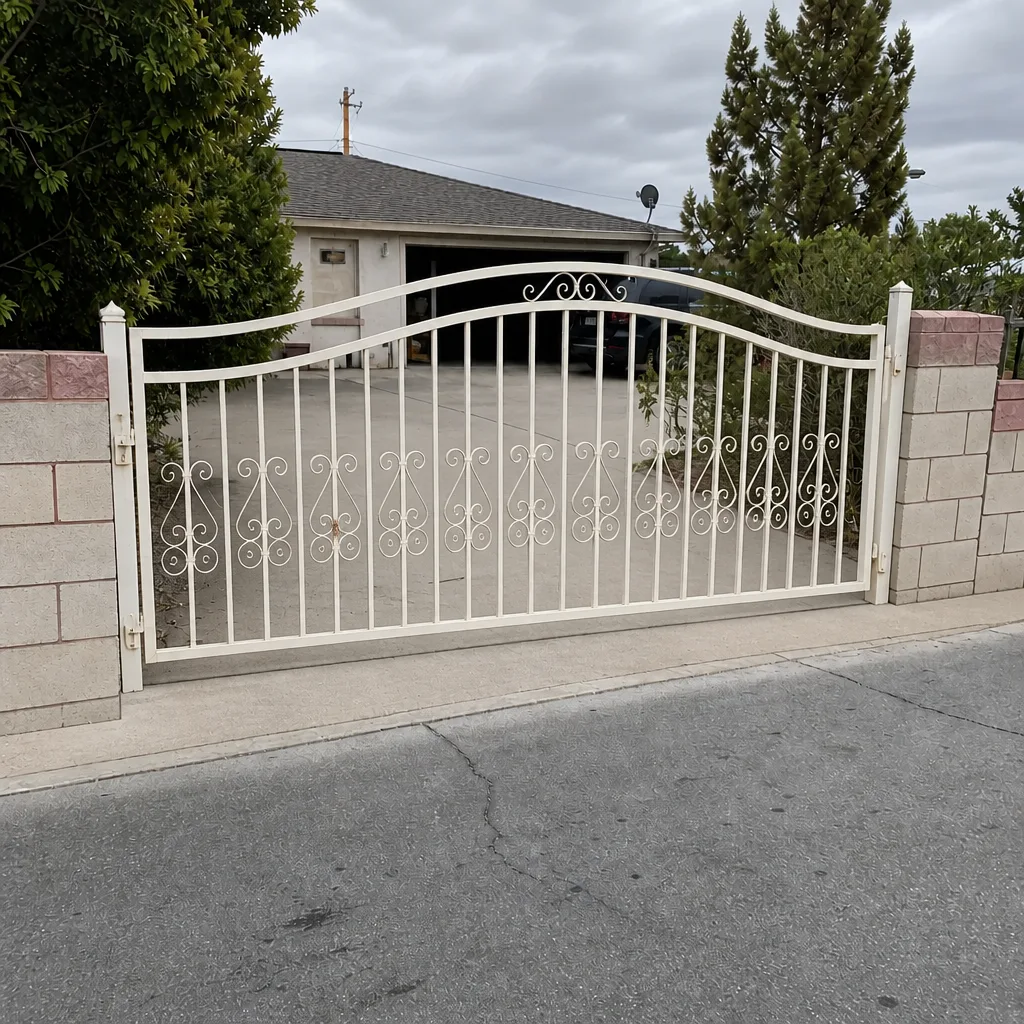
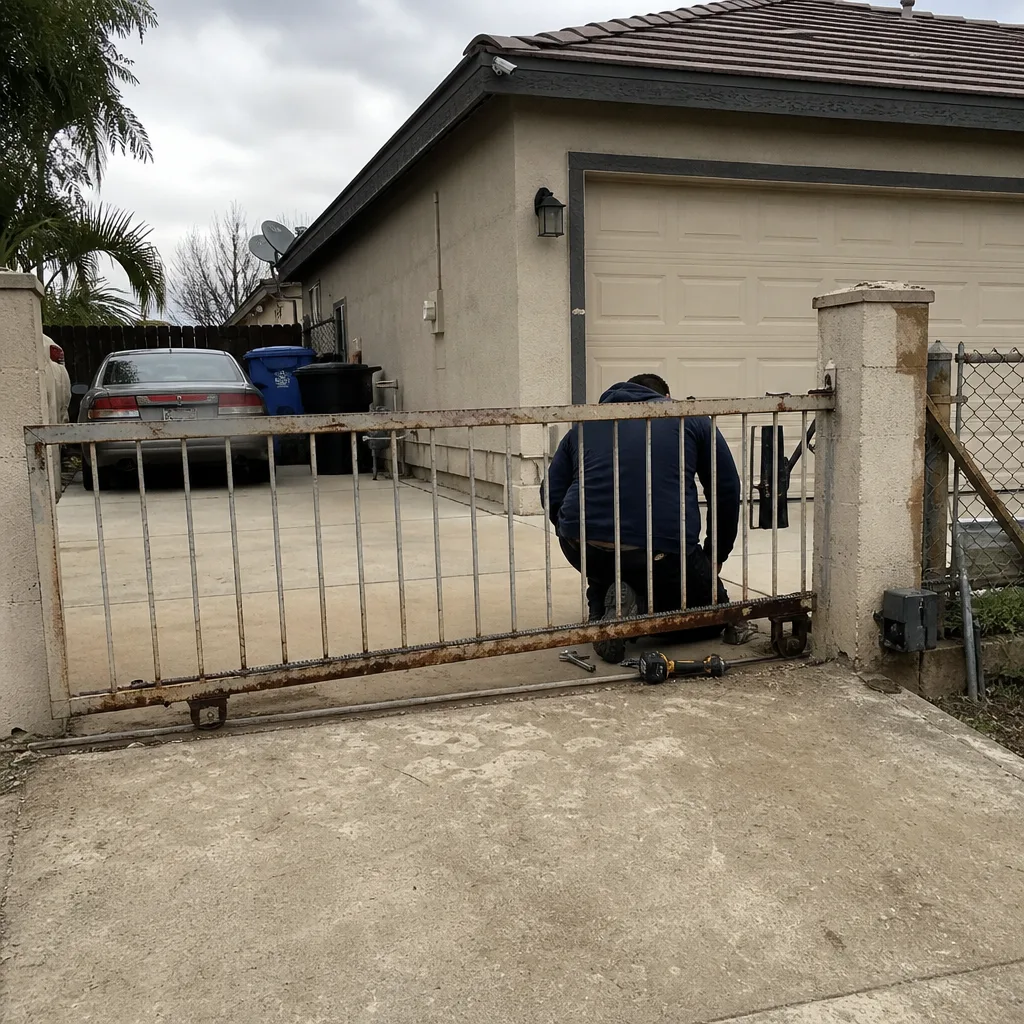
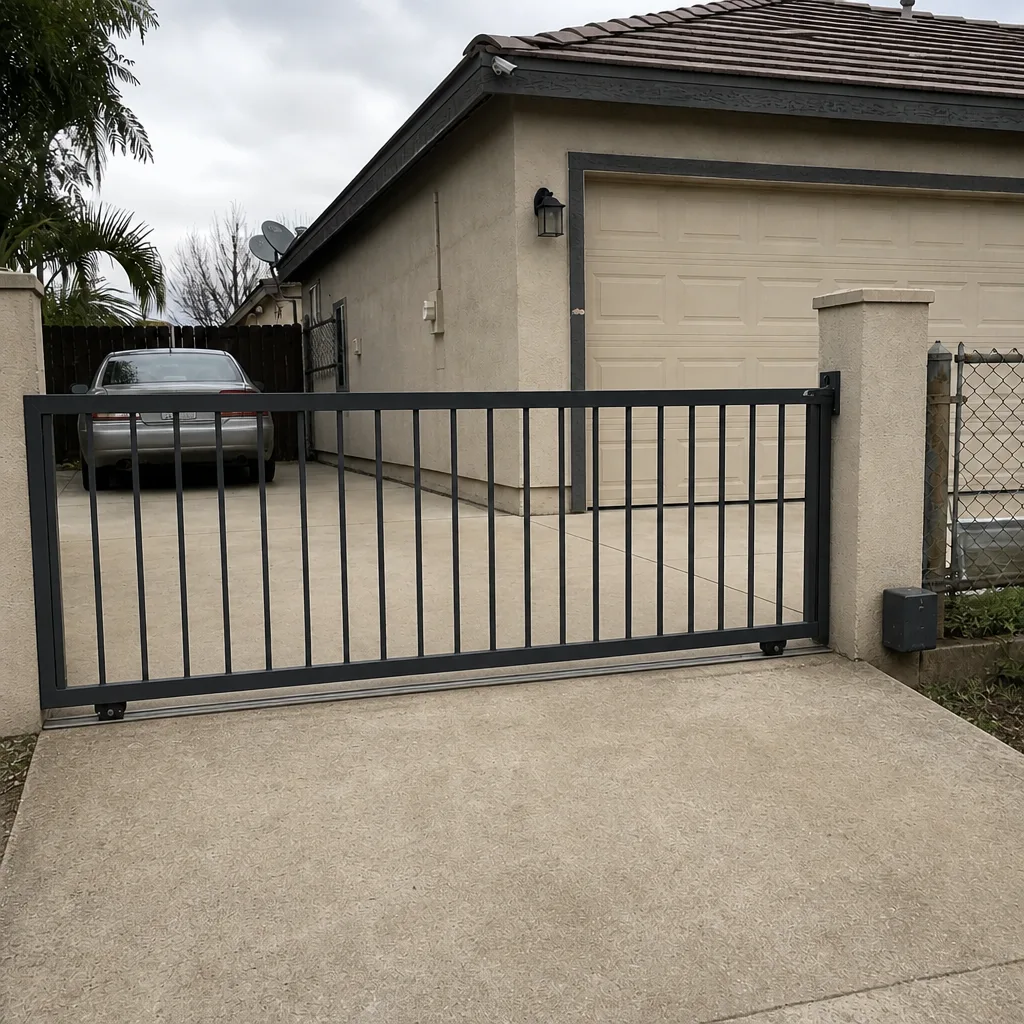
See the difference
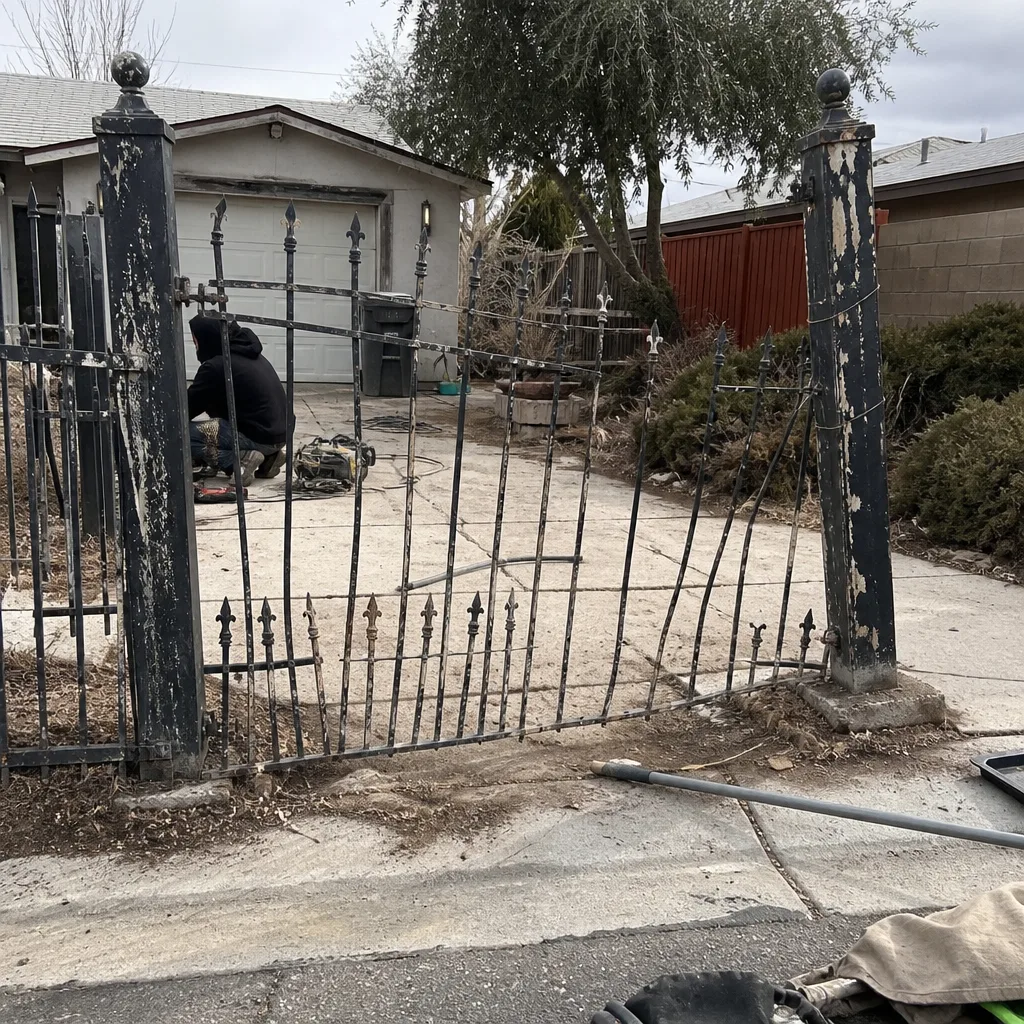 Before
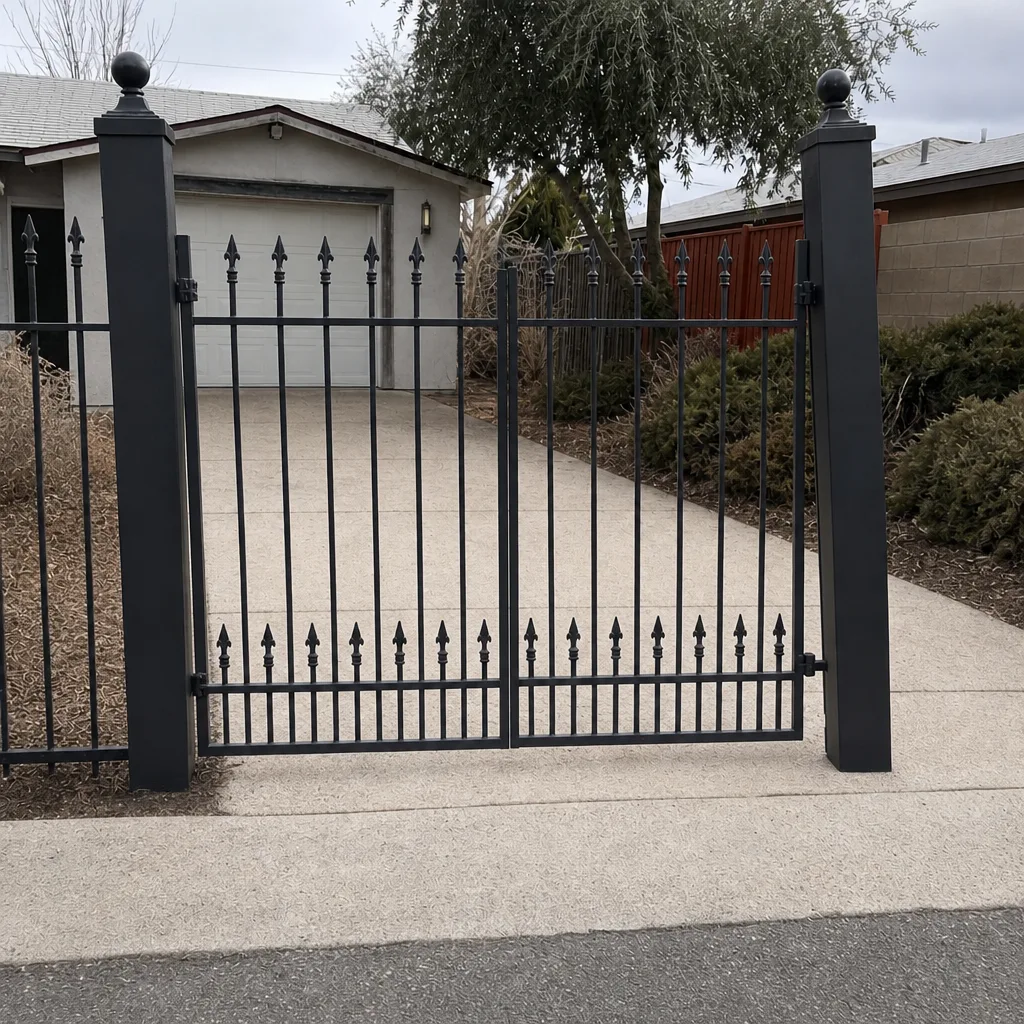 After
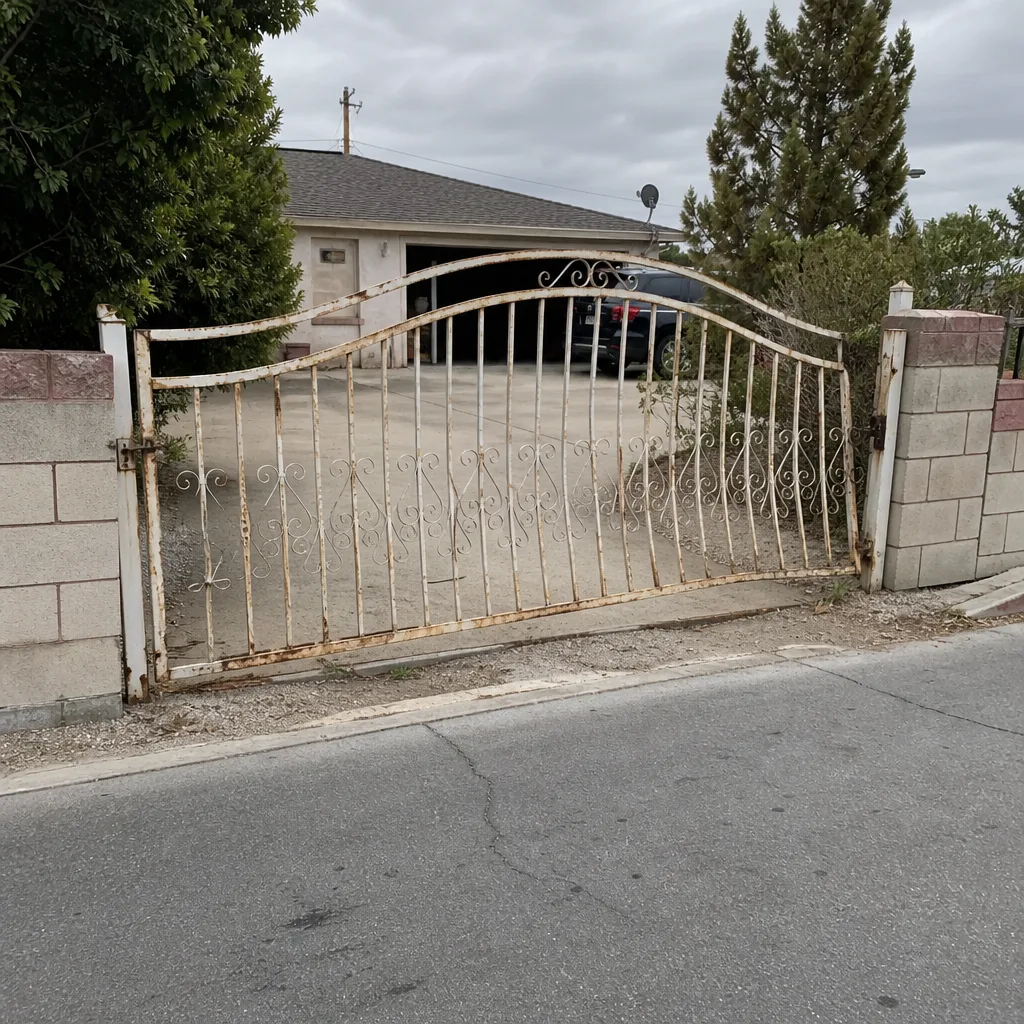 Before
 After
 Before
 After
When to Call a Professional
Call us when your gate won’t close on its own, drags at the latch, grinds in the track, or wobbles when you grab the hinge side. Call when a previous repair came loose, or when you’ve been told the gate is too old to save. Call when the operator won’t respond and you’ve already replaced the remote battery. And call before you touch an overhead spring, because that’s the one component nobody should handle without training. Gatewood Fence & Gate Spring Valley offers free estimates in Spring Valley – call (888) 300-3906. Calls are answered by a live person, every job carries the 90-Day Done Right Promise in writing, and the price is quoted and agreed before we start. That’s the whole deal.
Frequently Asked Questions
Most gate repairs in Spring Valley fall into a moderate range that depends on whether the problem is hinges and hardware, a post reset in caliche soil, or on-site weld repair. Slide gate roller and track service is usually a moderate repair, and overhead spring and cable work is priced by the component. Call (888) 300-3906 for an exact quote – estimates are free, and the price is agreed before any work starts.
Yes, for most repairs we can get out to you quickly, and emergency gate problems are a priority. A gate that’s stuck open, won’t latch, or is blocking a driveway gets moved to the front of the line. Call (888) 300-3906 and we’ll give you a real window, then show up in it.
A full installation includes a free on-site measure, a written price, setting the posts and footing for the soil conditions, hanging and aligning the gate, and testing the swing or slide before we call it done. Operator and power work, when you’re adding it, is scheduled as part of the same plan. Call (888) 300-3906 to start with a free measure.
Yes. When we service an operator or add automation, the power and safety-edge side is part of the plan, and it’s scheduled rather than rushed. Safety edges are the sensors that stop a gate from closing on a person or a car, and they get checked as part of the job. Call (888) 300-3906 to set up a free measure and a written price.
Most gates we see in Spring Valley can be repaired rather than replaced, and the three tests in this guide tell you which path you’re on. A sagging hinge post, worn hinges, a cracked weld, and a dragging slide gate are all repairable. Replacement is only the honest answer when the frame is structurally bent or rust has eaten through. We’ll always tell you which one you actually need.
We’re certified to service nine major gate brands, including LiftMaster, FAAC, BFT, and Linear, along with Viking, Ghost Controls, DoorKing, Elite, and Mighty Mule. That means we can tell a controller fault from a mechanical bind instead of guessing. Call (888) 300-3906 for a free estimate.
The Bottom Line
Most gate problems in Spring Valley trace back to the same three causes: a hinge post shifting in caliche soil, hardware loosening from 110-degree summers and a January freeze-thaw cycle, or an operator that’s out of adjustment while the gate fights it. Run the three tests before anyone quotes you. A gate that sags in the hinge post needs a post fix, not a new gate. A cracked weld needs on-site welding, not a bolt-on bracket. And an overhead spring needs a trained professional, full stop. Get the diagnosis right, and the repair costs less and lasts longer.
If you’d like a straight answer on your gate, we’ll come out and give you one, in writing, with the price agreed before we start. Call (888) 300-3906 for a free estimate and a real conversation about what your gate actually needs. More detail on the full slate of services is at the Gatewood Fence & Gate Spring Valley home page.
Written by the team at Gatewood Fence & Gate Spring Valley.