
Last updated November 18, 2026
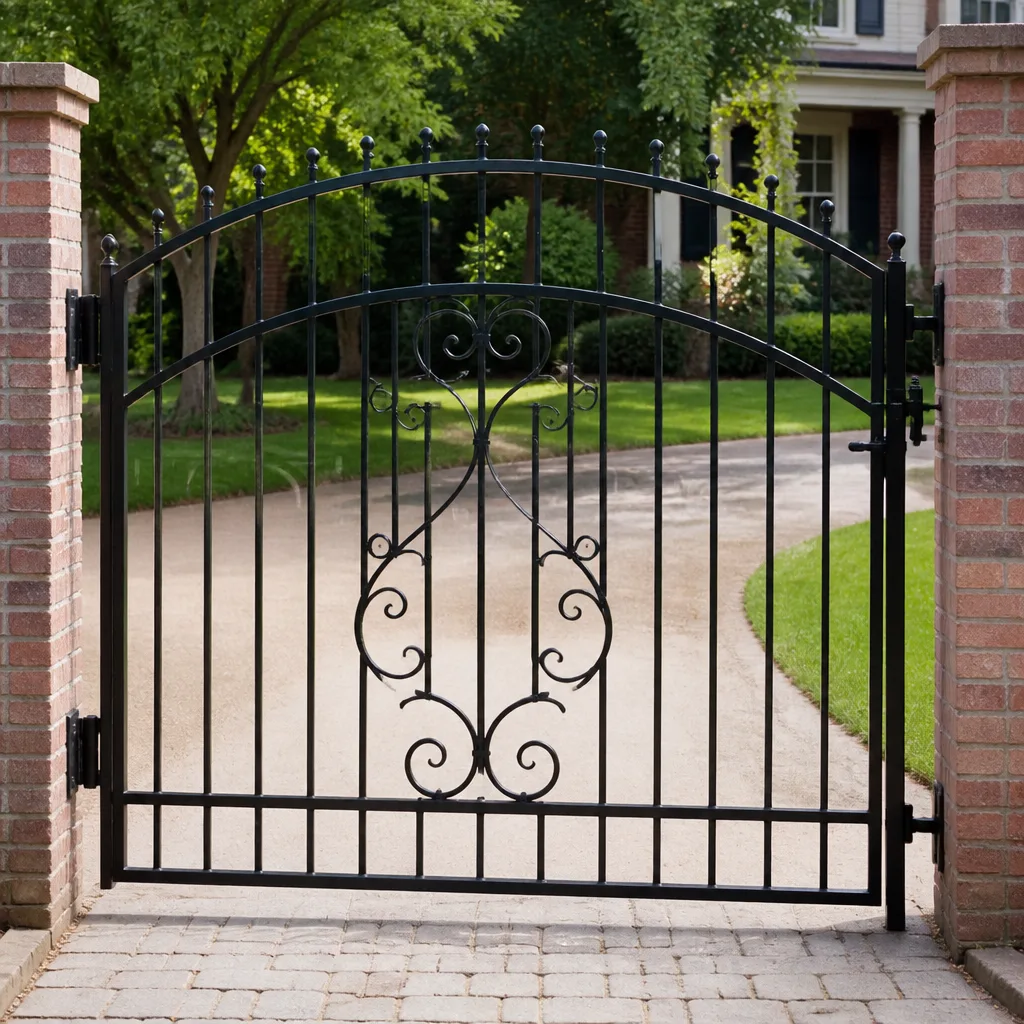 Wrought iron
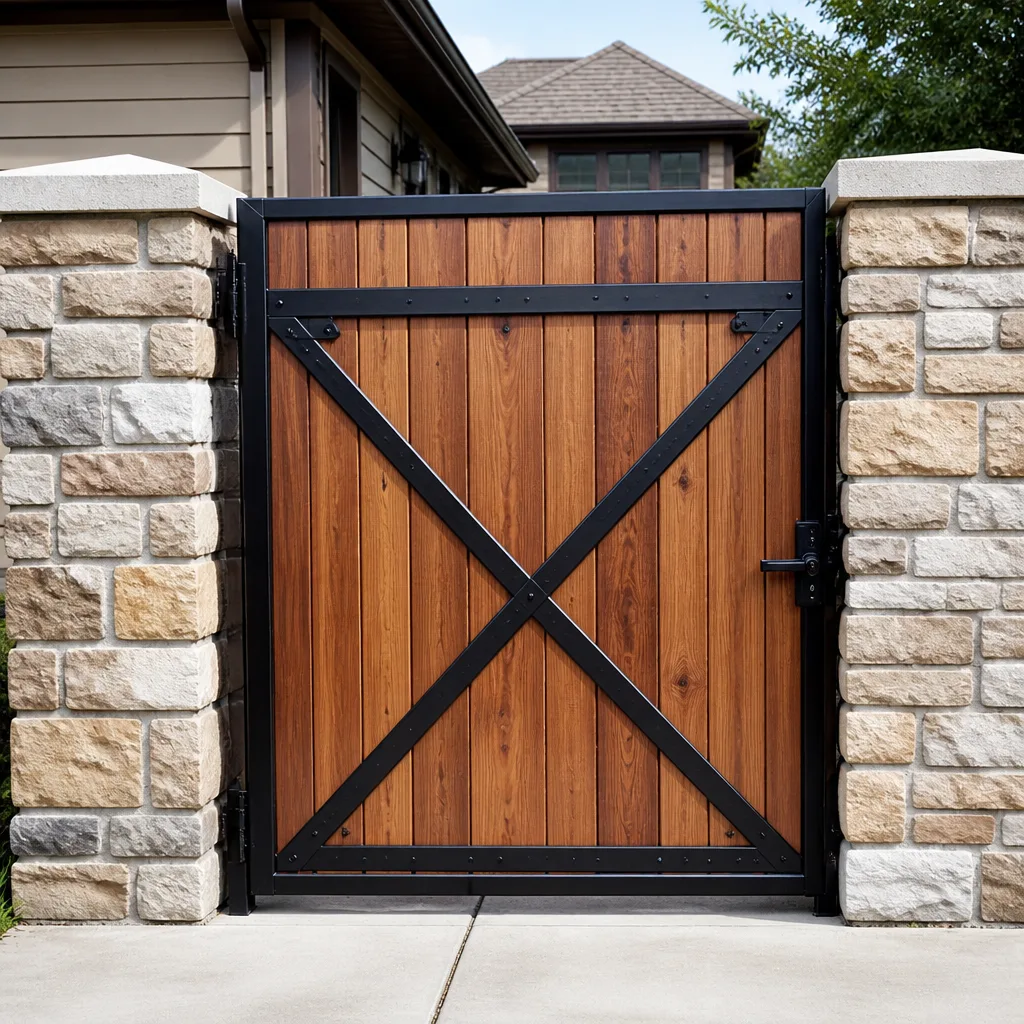 Wood & steel frame
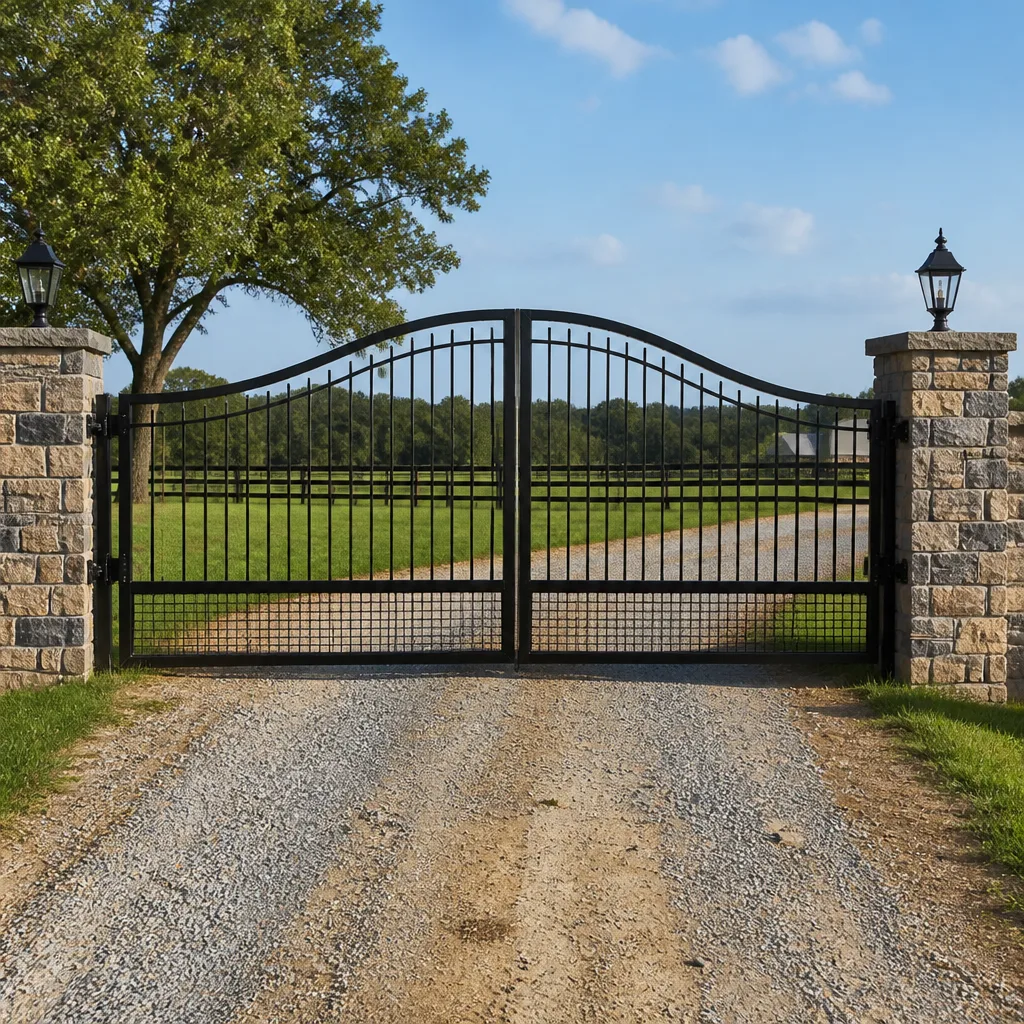 Farm & ranch
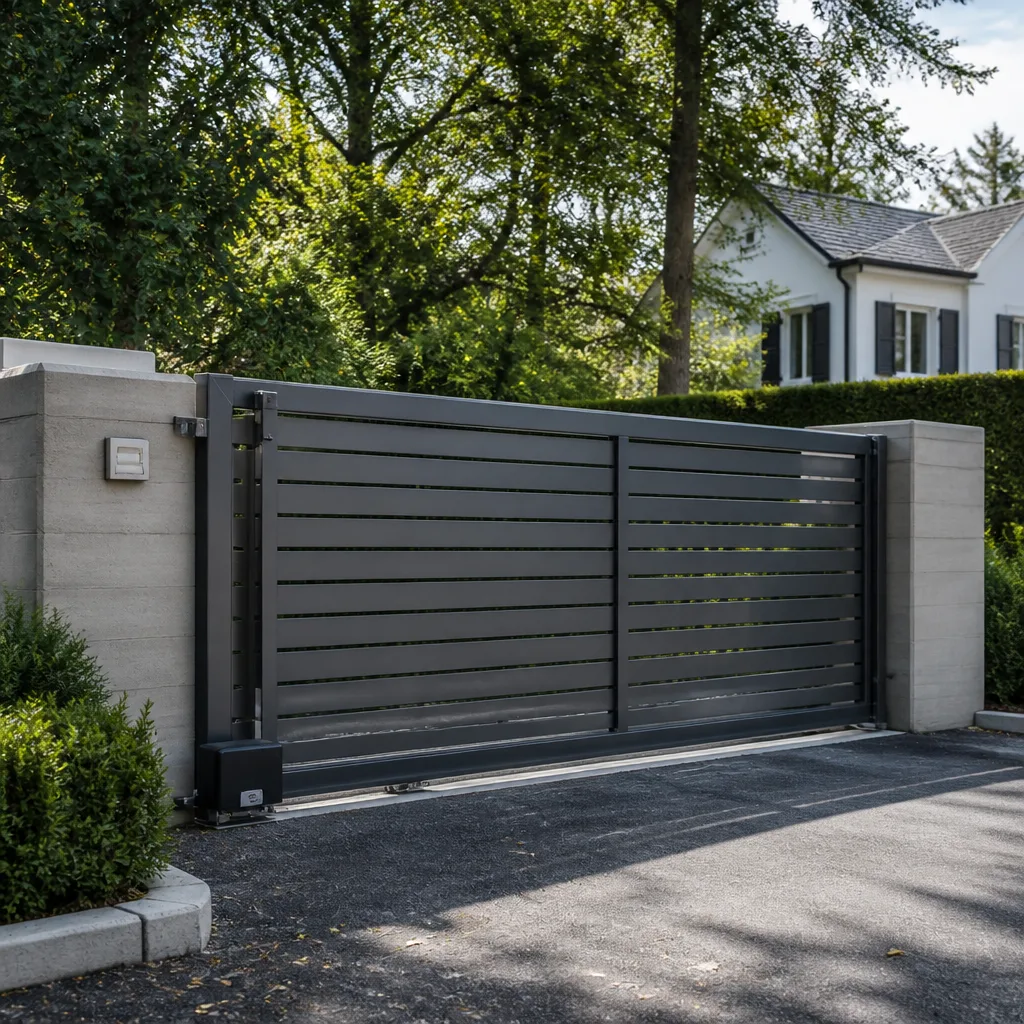 Sliding driveway gates
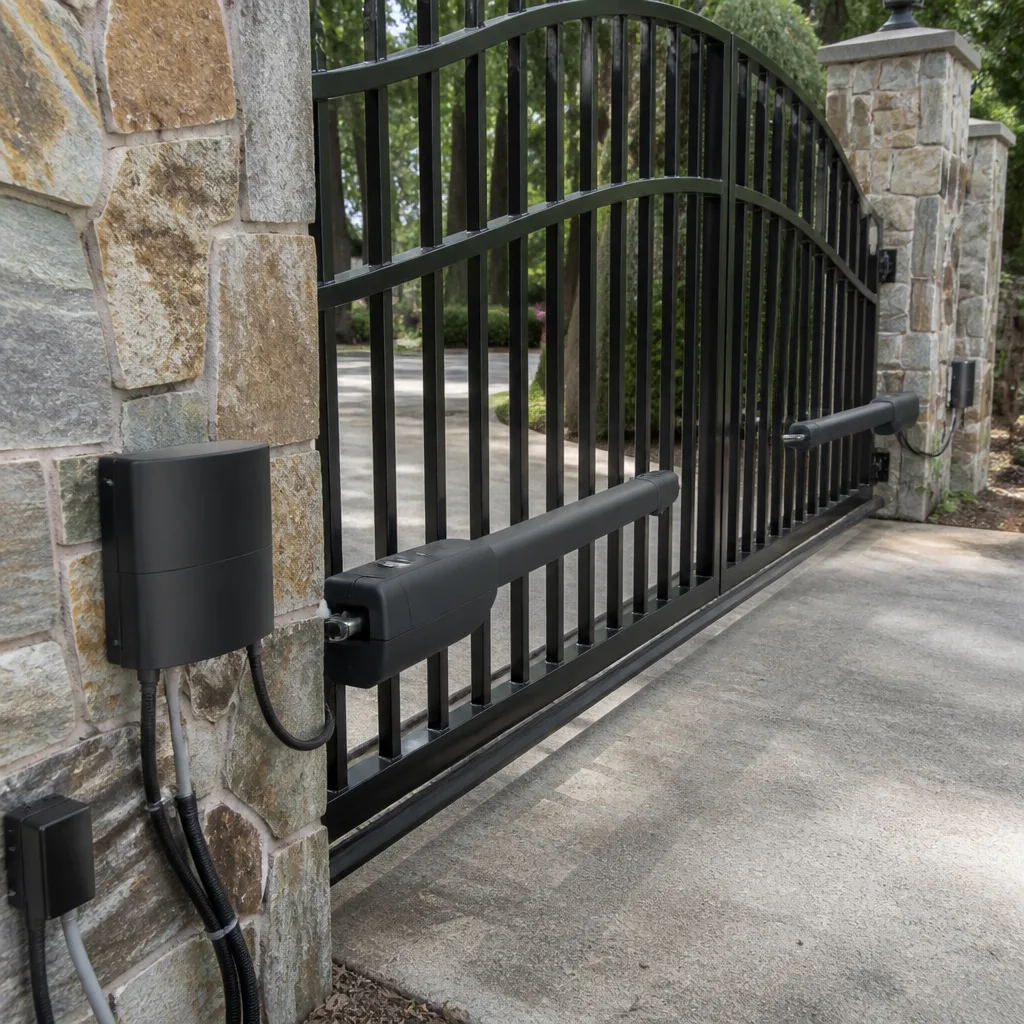 LiftMaster operators
Free on-site gate assessment - hinges, posts, and your LiftMaster or Nice gate operator checked before anything is quoted
The assessment is free and the quote is the invoice.
Get your free estimateHow Long Does Gate Parts & Welding Take? Timelines and What to Expect
A cracked weld repair sounds like a 20-minute job, and sometimes it is. But if that crack happened because the frame is racked, and the frame is racked because the post moved, you’re now looking at a half-day job that started as a phone call about a cracked weld. That gap between what a gate problem sounds like and what it actually is explains almost every timeline surprise homeowners run into. In this guide we’ll walk through honest time ranges for the five most common welding and parts jobs, explain what the first 15 minutes of a diagnosis actually involve, and give you the questions that reveal whether a shop has really looked at your Spring Valley gate or is guessing over the phone.
Quick Answer
Most gate welding and parts jobs in Spring Valley take between 45 minutes and a full day, depending on whether the failure is isolated or part of a larger structural problem. A simple hinge replacement or re-weld typically wraps in under two hours; a racked frame or post-related repair usually runs four to eight hours across one or two visits. The single biggest factor is whether the technician diagnoses the root cause before touching the gate.
Styles & brands we work with
- Wrought iron
- Wood & steel frame
- Farm & ranch
- Sliding driveway gates
- LiftMaster operators
Table of Contents
- The Diagnostic Phase Nobody Explains
- Timelines for the Five Most Common Jobs
- On-Site Welding vs. Shop Fabrication
- What Parts Availability Really Means Here
- Questions That Reveal a Real Estimate
- Scheduling Around Spring Valley Weather and Seasons
- What Makes a Job Take Longer Than Quoted
The Diagnostic Phase Nobody Explains
That first quarter hour on site is where the whole job gets decided, and it’s the part most shops skip explaining. Here is what a trained eye is doing in those 15 minutes before any welding torch gets lit:
- Walking the full gate line. We look at the latch side, the hinge side, and every post between them. A sag on the latch side usually starts at the hinge post, not the middle of the gate.
- Leveling and plumb-checking the posts. If a post has moved, welding the gate back in place just buys you a few months before it fails again.
- Testing the gate’s travel by hand. Does it swing freely, or does it drag? Does it drop when you open it? Show me the gate closing on its own and I’ll show you where it’s failing.
- Inspecting welds and hardware for pattern failures. A single cracked weld is one thing; three cracks along the same seam tells a different story.
- Checking the hardware and operator (if there is one). If a LiftMaster or FAAC operator is involved, the tension and alignment readings matter before we ever strike an arc.
Rushing this phase is the number one reason a job runs long. If you weld before you diagnose, you can easily finish the weld and then discover the underlying cause in week three. In Spring Valley we see this often on gates set into west-facing posts, where afternoon sun plus seasonal ground movement has quietly shifted the footing over years. The fix takes longer than the visible symptom suggests, and a good shop tells you that before you agree to anything.
Timelines for the Five Most Common Jobs
Here are realistic time ranges from our own job notes across Spring Valley and the surrounding rural counties. These are working hours on site, not counting parts ordering or a return visit if one is needed.
- Hinge replacement (one or two hinges): 45 minutes to 2 hours. Straightforward when the post is solid. Add time if the hinge holes are wallowed out in the gate frame, which often means welding in a reinforcement plate.
- Single cracked weld repair: 30 minutes to 1.5 hours. Genuinely fast when it’s isolated. Doubles or triples if the crack traces back to a racked frame.
- Gate frame re-welding (multiple seams): 2 to 4 hours. Common on older steel gates that have been through 15+ Nevada summers.
- Post stabilization or reset: 3 to 6 hours, sometimes split across two visits if concrete needs to cure. This is the job that turns a “cracked weld” call into a half-day engagement.
- Full frame repair or partial rebuild: 6 to 8+ hours, occasionally two days if new sections need to be fabricated for a proper fit.
One pattern we’ve learned the hard way in Spring Valley: a repaint of the welded area is part of the job, not a courtesy. Weld steel in the high desert without a sealer coat and you’ll see surface rust inside of a season. That “make it right” step adds a little time but saves you a callback.
On-Site Welding vs. Shop Fabrication
The number one question that decides your timeline is: does the gate come off the hinges and go to a shop, or does it stay put? For most residential gate repairs, on-site welding wins on time and cost. Pulling a gate off its posts usually means a truck, two people, and a return visit after the work is done. Every one of those steps adds a calendar day. On-site welding, which is the approach we take, keeps the gate where it belongs and eliminates the pickup/return cycle entirely.
Shop fabrication becomes the right call in a few specific situations:
- The gate needs entirely new frame sections custom-cut and welded as a sub-assembly before install.
- Precision painting or powder coating is required after welding (this needs a proper booth).
- The gate is a complex ornamental or heavy industrial unit that can’t be safely braced in the field.
When a job moves to shop fabrication, expect 3 to 10 calendar days typically, largely because of coating time and scheduling. If a shop tells you “we’ll take it to our facility” without explaining why on-site welding can’t handle your case, ask the question directly. Sometimes the on-site fix is the correct one and the shop just doesn’t want to bring the equipment. For more on Gate Repair in Spring Valley, our repair-first approach is spelled out in detail.
What Parts Availability Really Means Here
Parts availability is the phrase that hides a lot of uncertainty in a gate estimate. When we say a part is on the shelf, it means it’s already in the truck or in a local supplier’s stock in the Las Vegas area. When we say “on order,” the clock starts at the supplier, not at your gate. Here is how that plays out for common hardware:
- Standard hinges, latches, and rollers: usually available same-day or next-day in Spring Valley.
- LiftMaster and Mighty Mule operator parts: most models have locally stocked components, so repairs stay inside the week.
- FAAC and Elite specialty components for automatic gates: sometimes need to be ordered from the manufacturer. Plan on 3 to 7 business days, occasionally longer for older units.
- Custom fabrication (plates, brackets, frame sections): built on-site or in the shop, usually adding 1 to 2 days to the job.
Spring Valley’s mix of older rural properties and newer exurban homes means we work on both ends of the parts spectrum: current models with parts on the shelf, and gates from the 1990s where the original hardware no longer exists and a compatible replacement has to be located or made. If a shop doesn’t have a clear answer about which category your gate is in, that’s a signal. For a broader look at what modern systems can do when replacement makes more sense than repair, see Gate Motor & Opener in Spring Valley.
Questions That Reveal a Real Estimate
You can tell a lot about whether a shop has actually looked at your problem by the questions they ask you first. Here are the ones we recommend asking before you sign off on any timeline:
- “What’s the root cause you’ll be fixing?” A real diagnosis names the cause. “The weld is cracked” is a symptom, not a diagnosis. “The hinge post has shifted two inches and the frame is racked” tells you they looked.
- “Will you come look before you quote, or is this a phone estimate?” A phone estimate on anything structural is a guess. Whatever the number is, it’s not a quote you can hold them to.
- “If you find a second problem once you’re in there, how does that get handled?” The answer you want: they stop, tell you, and quote before proceeding. Upfront pricing means the number is agreed before the work starts, not discovered on the invoice.
- “Is the price held in writing, and is there a warranty?” Get it on paper. At Gatewood, we put the 90-Day Done Right Promise in writing on every job, not in the fine print. If it’s not done right, we come back and make it right.
- “Is the weld going to be primed and sealed?” On any outdoor gate in Spring Valley, this should be an automatic yes.
The name is on the shop, and the shop is down the road, which is the oldest accountability there is. That’s the standard we hold ourselves to, and it’s the standard you should expect from anyone quoting your gate.
Scheduling Around Spring Valley Weather and Seasons
Weather moves the timeline on welding jobs more than most people expect. On-site welding is a dry-weather operation: no welding in rain, no welding in high wind, and limited welding in extreme heat. In Spring Valley that means the ideal windows are March through May and September through November, when temperatures sit in a workable range and afternoon winds are calmer. Summer jobs often need to run in the morning and wrap before the worst of the afternoon heat. Winter jobs are usually fine, but occasional rain can shift a date by a day or two.
Two practical scheduling notes for Spring Valley:
- Spring and fall book first. Homeowners like to get their gates in shape before summer heat and before winter winds. If you’re planning a bigger repair, calling 1 to 2 weeks ahead helps you get the slot you want.
- Emergency calls still get answered. A gate that won’t close or a fallen section is a live situation, and calls are answered by a live person 24/7. Whether or not the work can be completed that day depends on what’s actually broken, but nobody has to leave a voicemail and wait.
For properties with automatic gates, we also recommend testing them before the seasonal extremes. An operator that struggles in July is telling you something you’ll want to know in May. If you’re considering a full replacement rather than repair, see Gate Installation in Spring Valley for how new construction timelines compare to repair timelines.
What Makes a Job Take Longer Than Quoted
Here is the honest list of things that push a job past its original window, gathered from years of being surprised by the same handful of situations:
- A hidden secondary failure. The gate has been sagging for months against a second crack that wasn’t visible until the first fix highlighted it.
- Posts that were never properly set. On older rural properties, we sometimes find posts that were driven without concrete or set with too little depth. Resetting one post is fast; resetting one correctly can mean a return visit.
- Hardware that no longer matches. Replacing one hinge is easiest when the rest are the same vintage. Sometimes they aren’t.
- An operator that’s masking a manual-gate problem. If the motor is huffing to close a gate that would swing freely if it were aligned, the real problem is the gate, not the motor.
- Owner-supplied parts. This one is worth saying plainly: bringing a part you ordered online can add hours of fitment work if it isn’t the exact match.
None of these are reasons to feel bad about your gate. They’re reasons to get a diagnosis before a quote, and reasons a good shop pads the range slightly rather than promising the fast side of possible. Getting the timeline right matters more than getting it short.
Common Mistakes to Avoid
- Quoting off a photograph. A phone photo can show a crack but it can’t show a racked frame, a shifted post, or the condition of the concrete. Insist on a walk-through before any number is committed.
- Choosing a shop that wants to replace the gate. Many gate problems in Spring Valley that look like replacement candidates are weld-and-repair candidates. Repair should be the starting point, not a fallback.
- Skipping the primer after welding. High desert sun plus bare weld steel equals rust in a season. If sealing isn’t included, ask why.
- Letting a sag go through a second season. A sag in the hinge post is cheap to fix at the weld stage and expensive once the post has moved. Every month of use on a failing weld accelerates the damage.
- Hiring the lowest bid without a written warranty. Price without a warranty is price without accountability. Ask for the warranty in writing before agreeing to anything.
- Assuming a voicemail callback is coming. Rural counties and exurbs sometimes fall outside the service area of large outfits. Confirm availability before you wait a week for a callback that doesn’t come.
- Buying an operator to fix a manual-gate problem. Operators mask misalignment; they don’t fix it. If a motor is in your future, look at the gate alignment first.
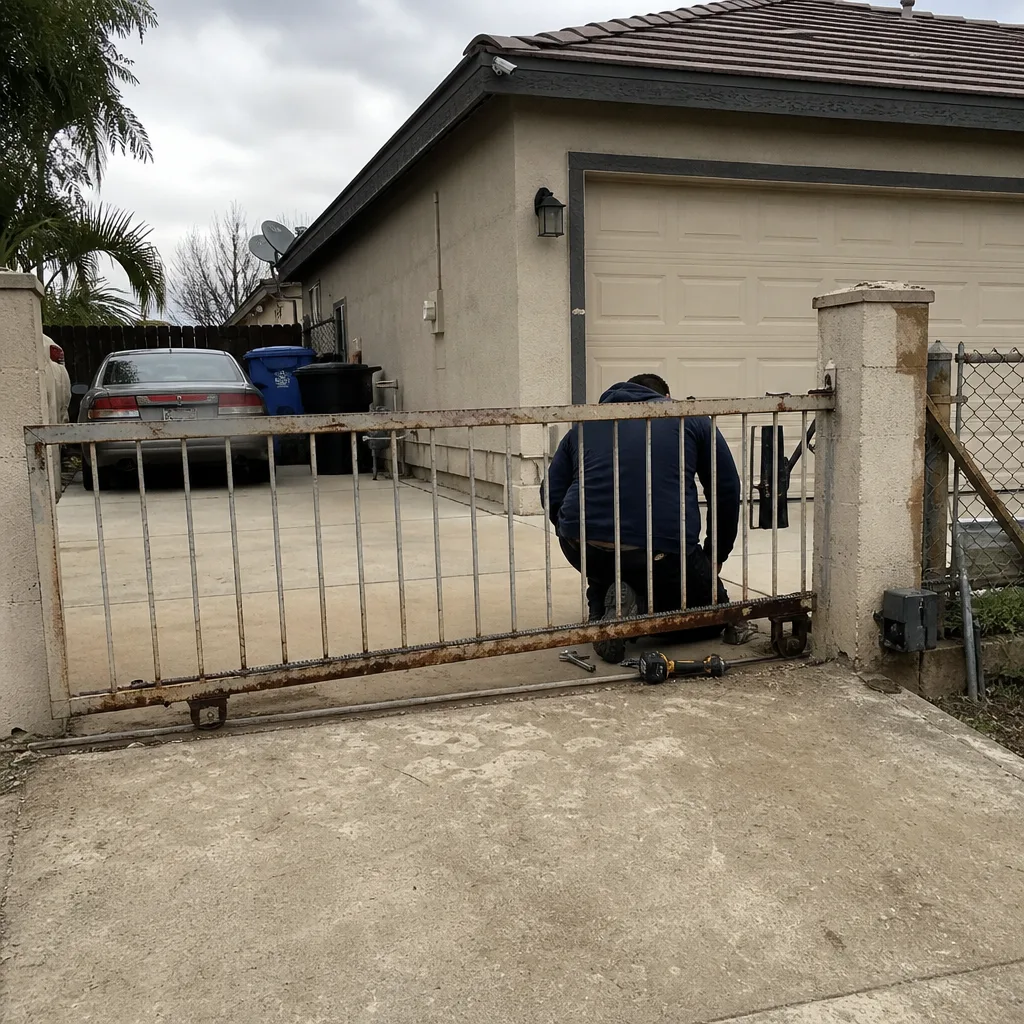
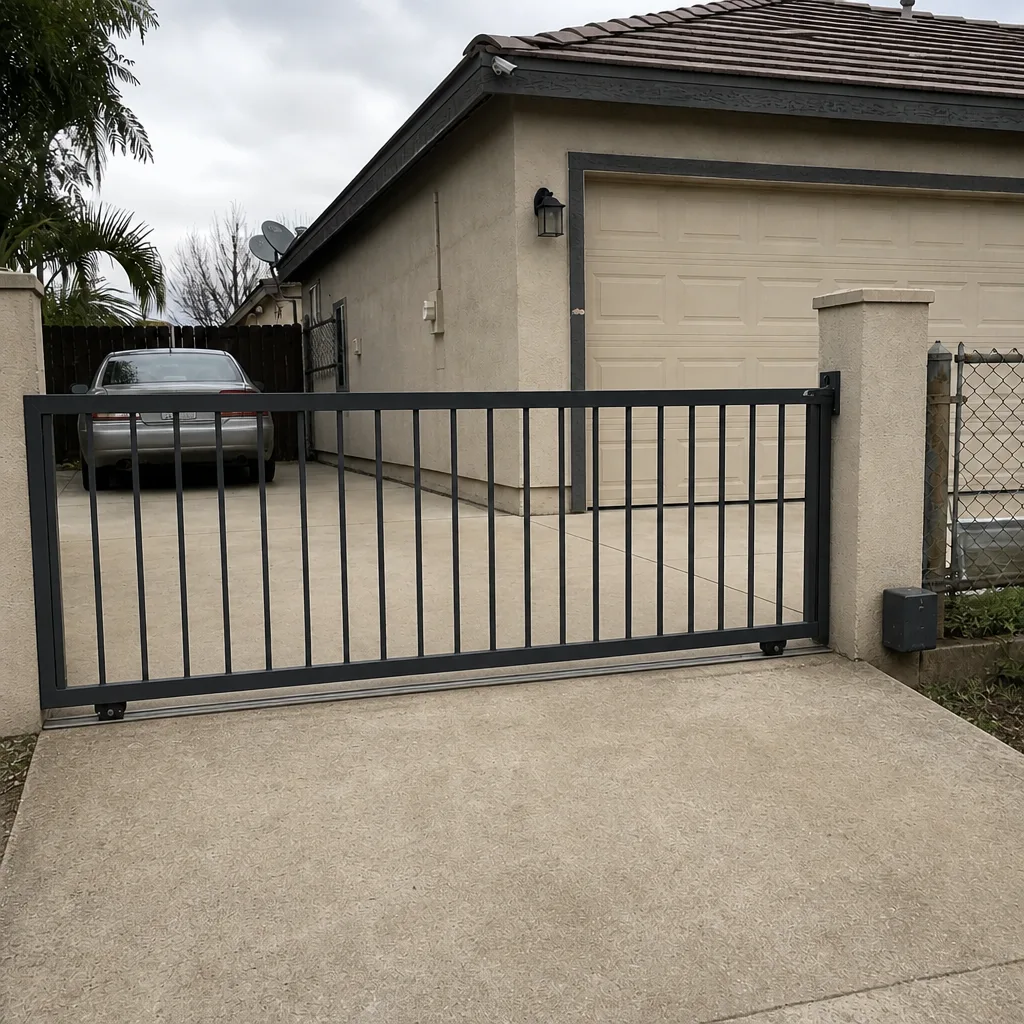
See the difference
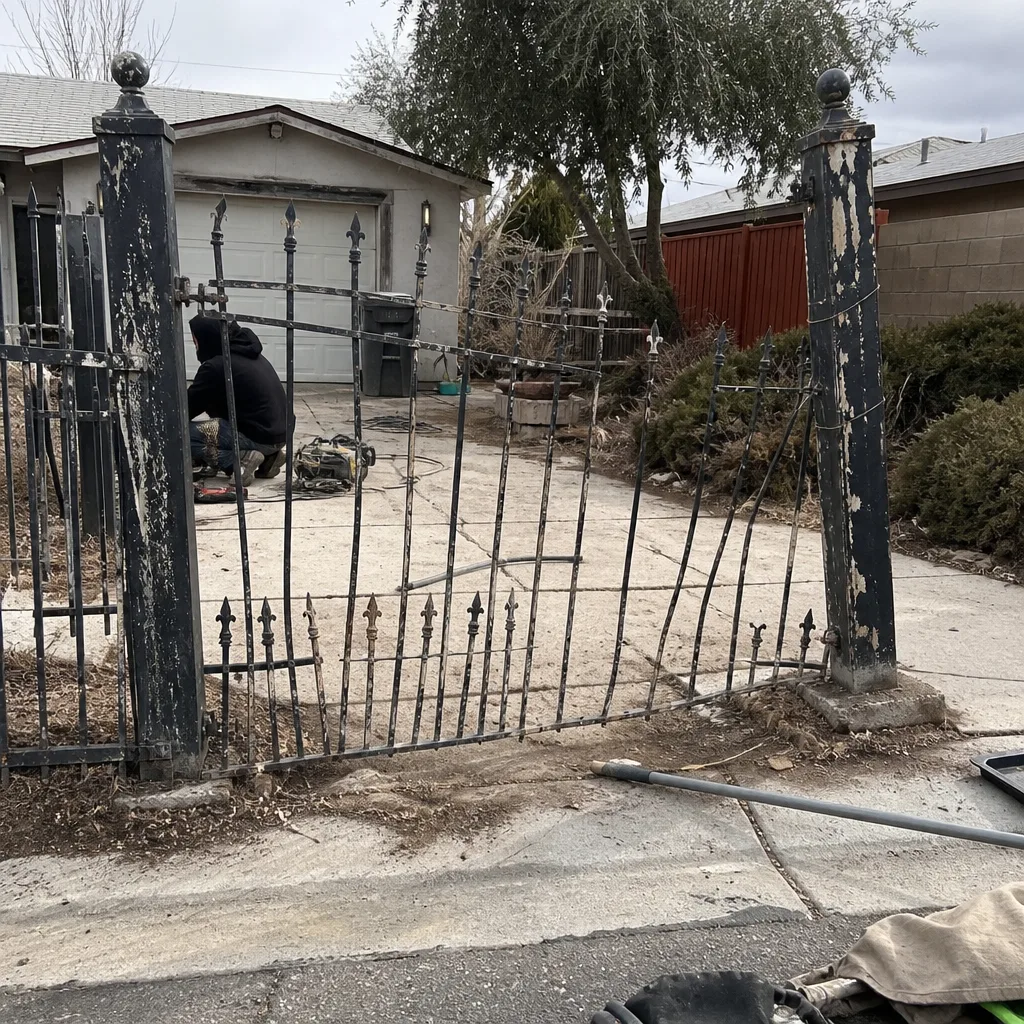 Before
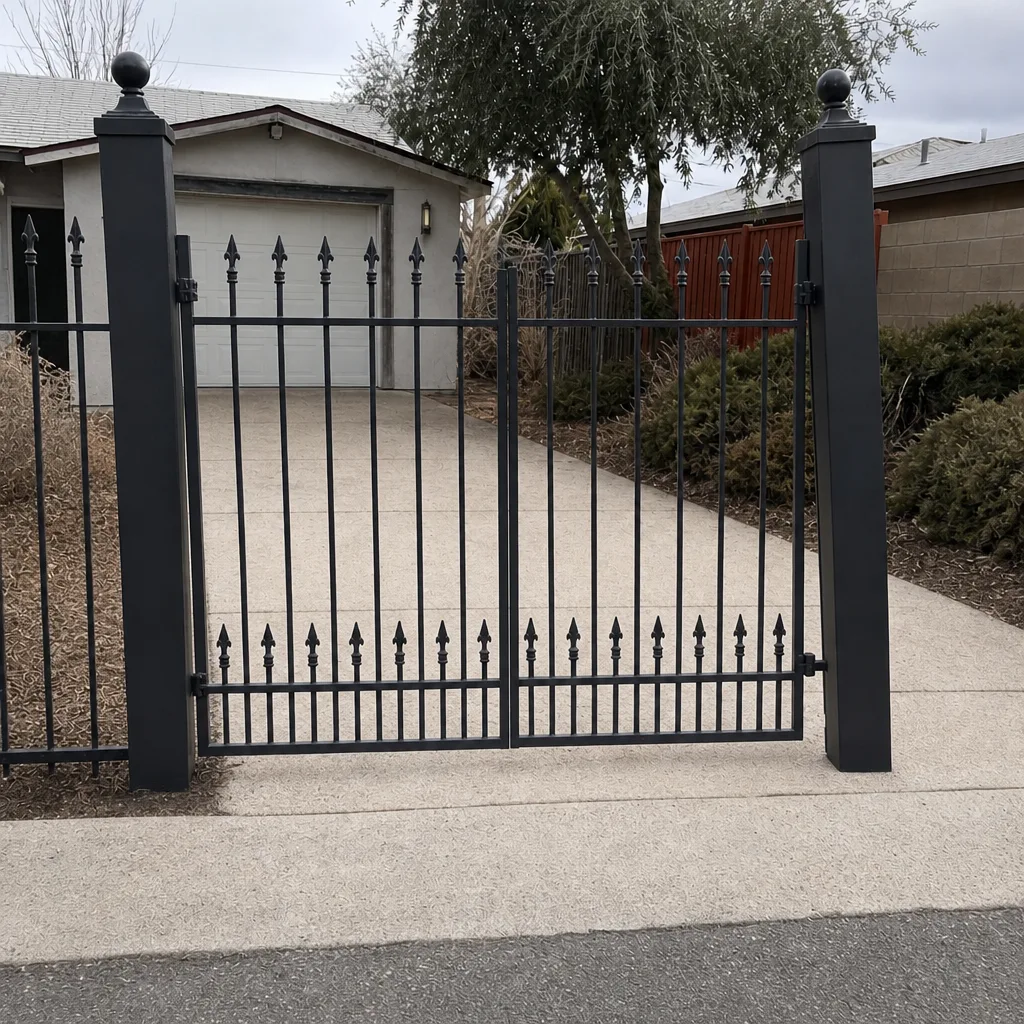 After
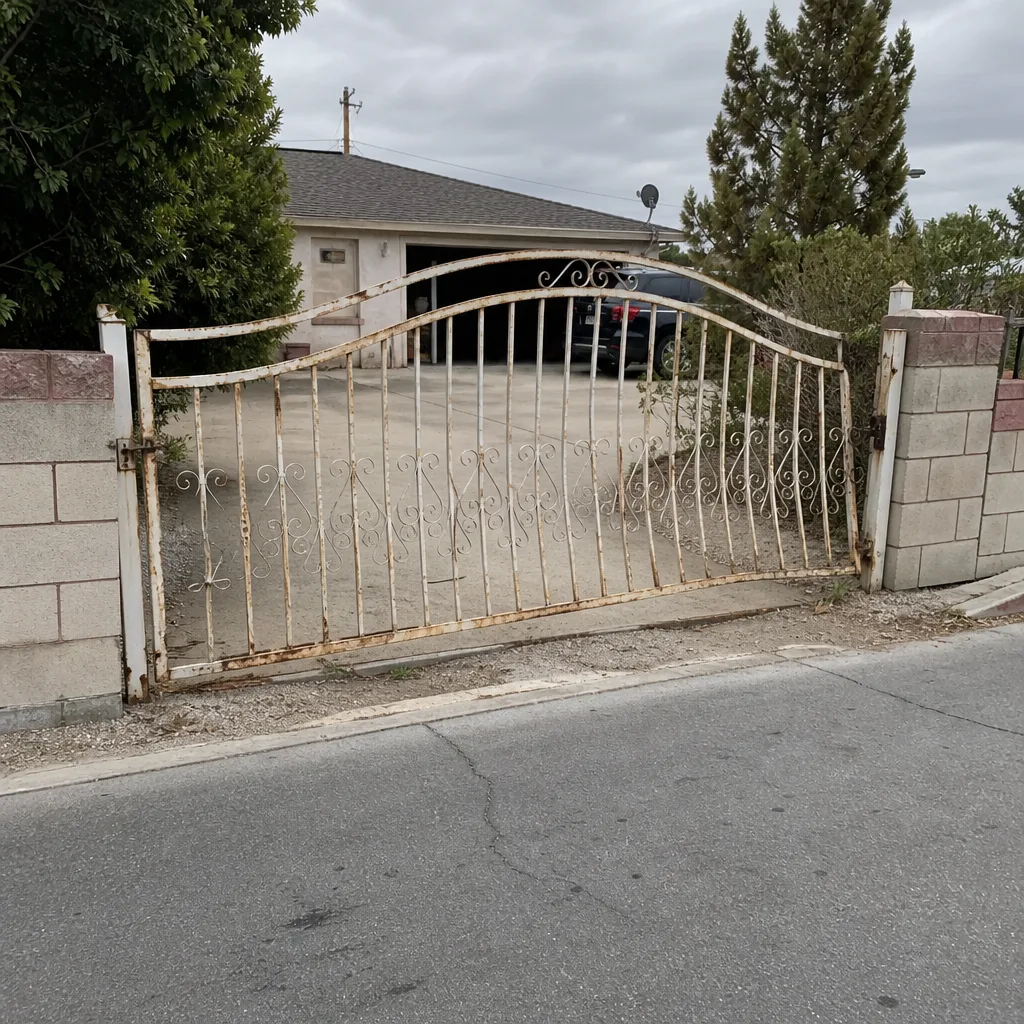 Before
 After
 Before
 After
When to Call a Professional
You should call a professional when a gate sags, drops when opened, or sits out of level, when a weld is visibly cracked, when hardware has failed or is missing, or when an automatic gate stops operating reliably. These are structural problems and welding them yourself without a proper diagnosis tools the gate for another failure. Welding also carries real fire and injury risk, which is why we recommend bringing someone with the right equipment and the training to read what they see. If a gate post is tilting or the frame is racked, those are the cases where an expert assessment saves you the most time and money. Gatewood Fence & Gate Spring Valley offers free estimates in Spring Valley. Call (888) 300-3906 to schedule a walk-through and get a written quote before any work begins.
Frequently Asked Questions
Gate welding repair in Spring Valley typically takes 30 minutes to 4 hours on site, with the most common jobs (hinge replacement and single cracked welds) finishing in under 2 hours. Jobs that turn out to involve a racked frame or shifted post can run 4 to 8 hours or spill across two visits. Call (888) 300-3906 for a free walk-through and a written range for your specific gate.
For urgent situations like a gate that won’t close or a fallen section, we answer the phone live 24/7 and will give you an honest answer about timing. Whether the work gets completed the same day depends on the specific problem and parts needed, and we’ll tell you that upfront rather than promise what we can’t deliver. Call (888) 300-3906 and we’ll walk you through it.
Most residential gate repairs can be welded on site, which saves the pickup and return cycle that a shop visit adds. Shop fabrication is only needed for custom frame sections, powder coating, or complex ornamental units. On-site welding is our default for repair work in Spring Valley.
It means the difference between same-week and next-week. Standard hinges, latches, and most LiftMaster or Mighty Mule hardware is locally stocked around Spring Valley, so repairs stay inside the week. FAAC and Elite specialty components occasionally need manufacturer ordering, which can add 3 to 7 business days. Ask a shop to tell you clearly which situation you’re in before you commit to a date.
Usually because the visible problem wasn’t the real one. A cracked weld caused by a racked frame, or a sag caused by a poorly set post, adds hours that a phone estimate can’t predict. That’s why any quote should include a diagnostic walk-through before the number is locked in.
The quote you agree to is the price you pay. If we find a secondary problem once we’re in there, we stop, show you what we found, and get your approval on any additional work before we proceed, with the additional price quoted and agreed first. Call (888) 300-3906 for a free estimate and a written range you can hold us to.
The Bottom Line
Most gate welding and parts jobs take hours, not days, when the problem is what it appears to be. The timeline stretches when the failure has a root cause: a racked frame, a moved post, or hardware that no longer matches. Getting the diagnostic phase right the first time is what keeps your repair from turning into a callback, and it’s why we’d rather spend 15 minutes looking than 15 minutes welding the wrong thing. If you’re in Spring Valley and you want the timeline put in writing before work starts, call us. The name is on the shop, and the shop is down the road. For a full picture of how we handle Gatewood Fence & Gate Spring Valley home services across gate repair, installation, and operators, start there.
Call (888) 300-3906 for a free estimate. We’ll come look at the gate, explain what we see, and give you a written quote you can hold us to before any work begins. If it’s a repair over $200, the standing $40 off applies, and there’s no trip charge inside the county. Seniors and veterans get a permanent 10% discount.
Written by the team at Gatewood Fence & Gate Spring Valley.