
Last updated November 18, 2026
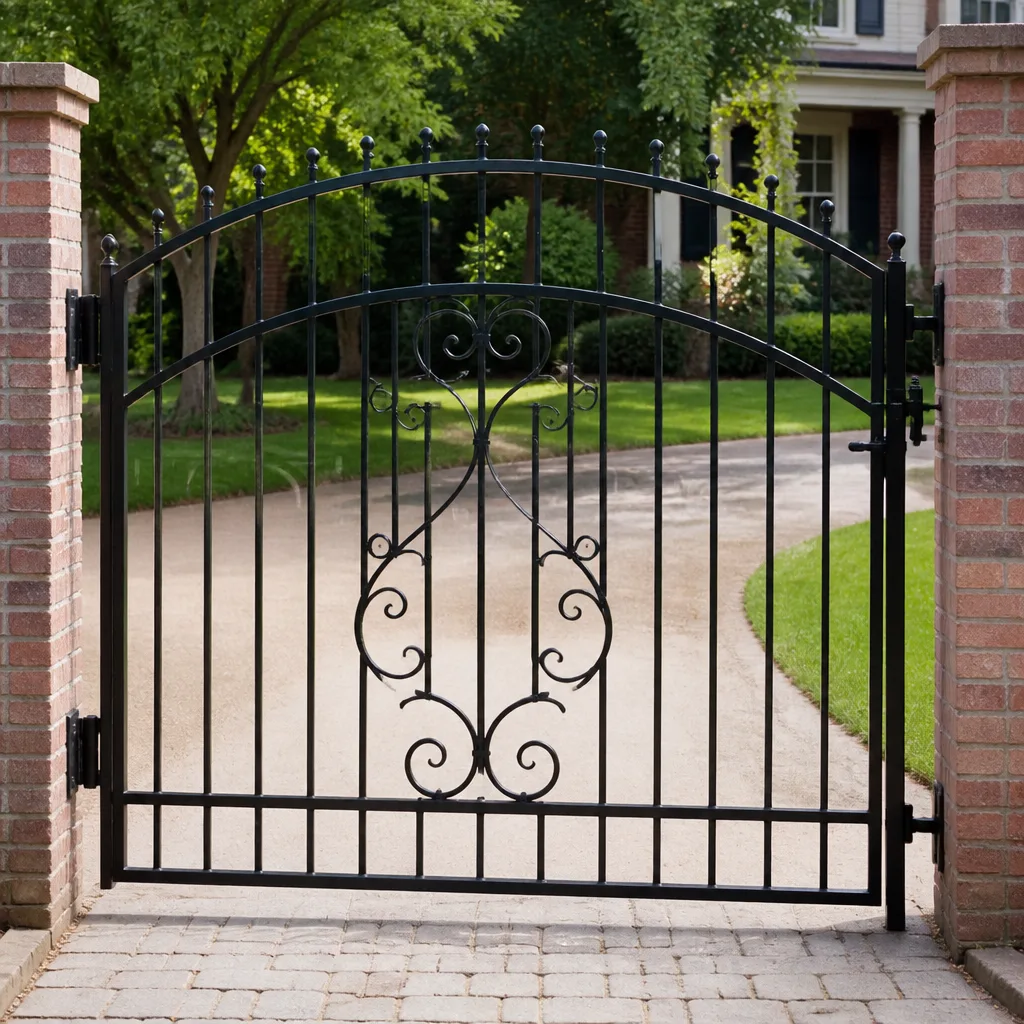 Wrought iron
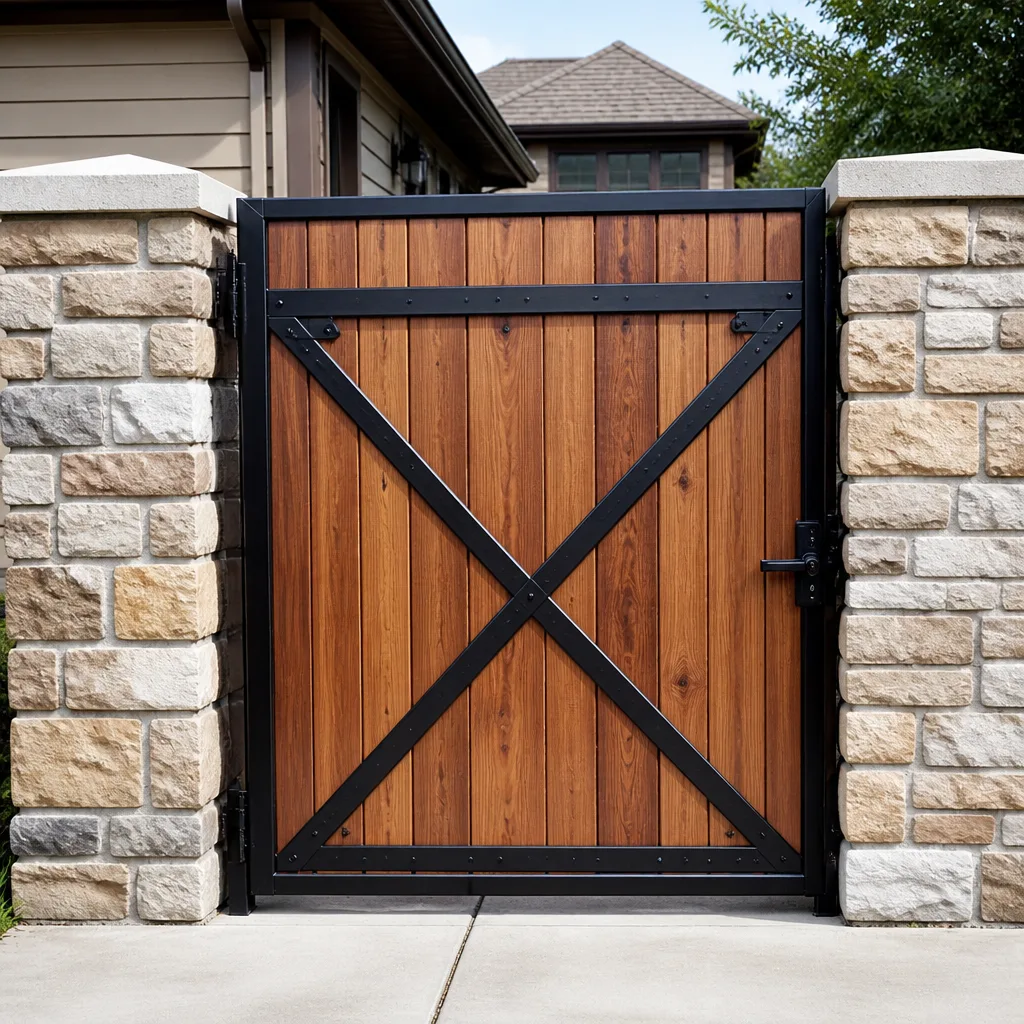 Wood & steel frame
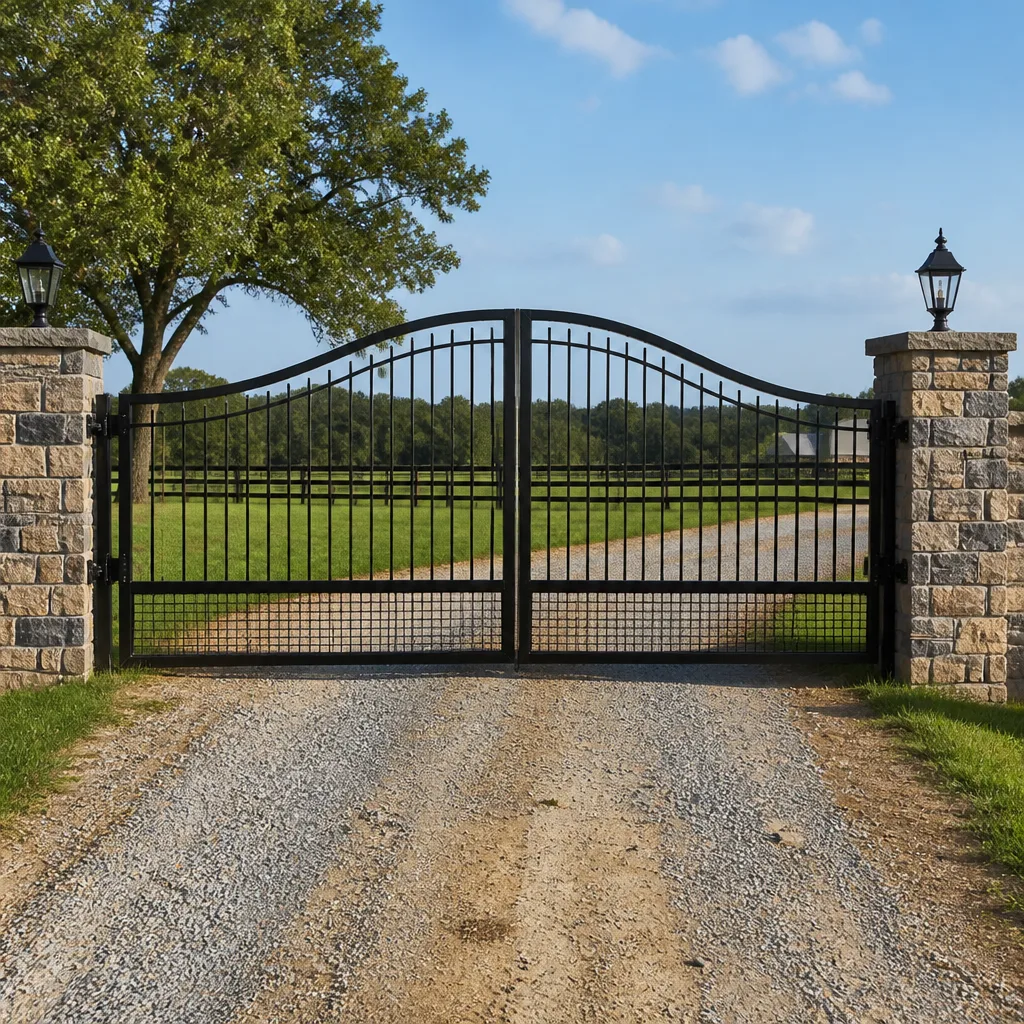 Farm & ranch
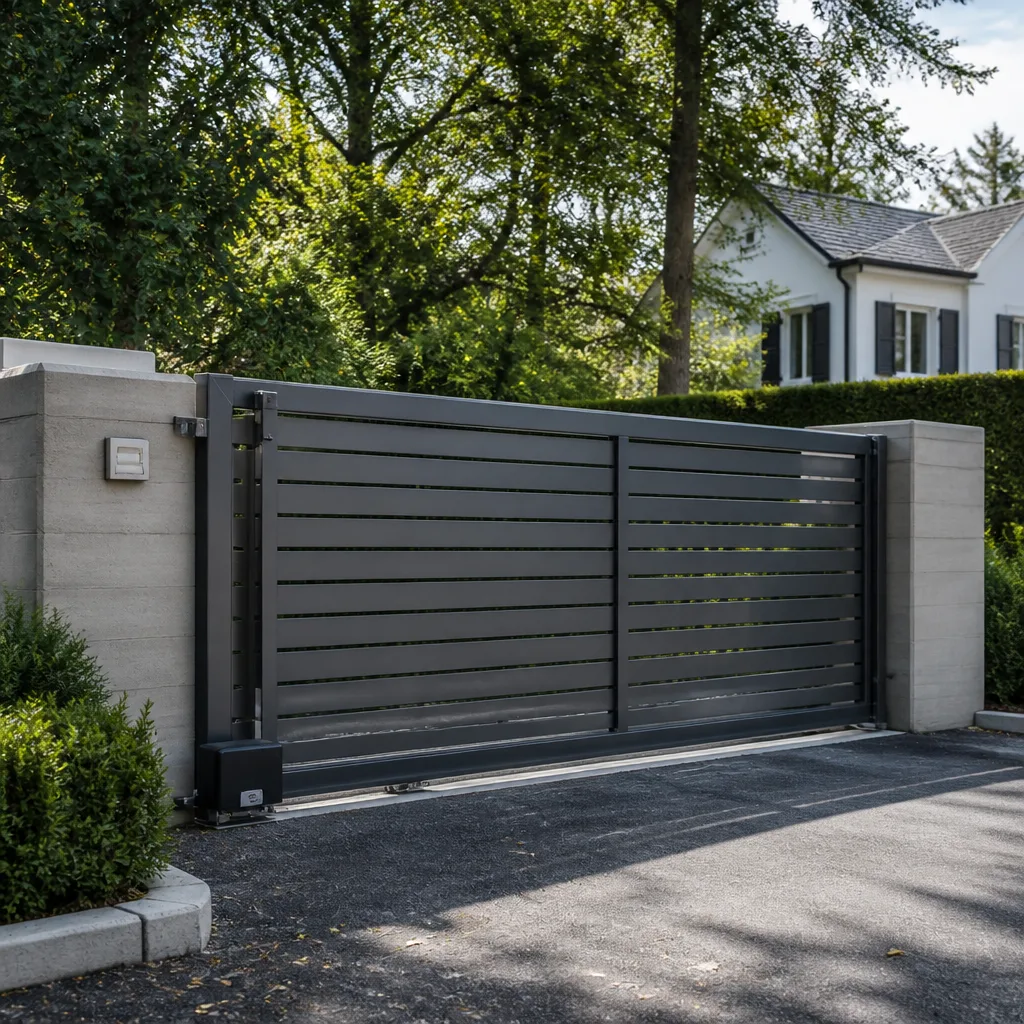 Sliding driveway gates
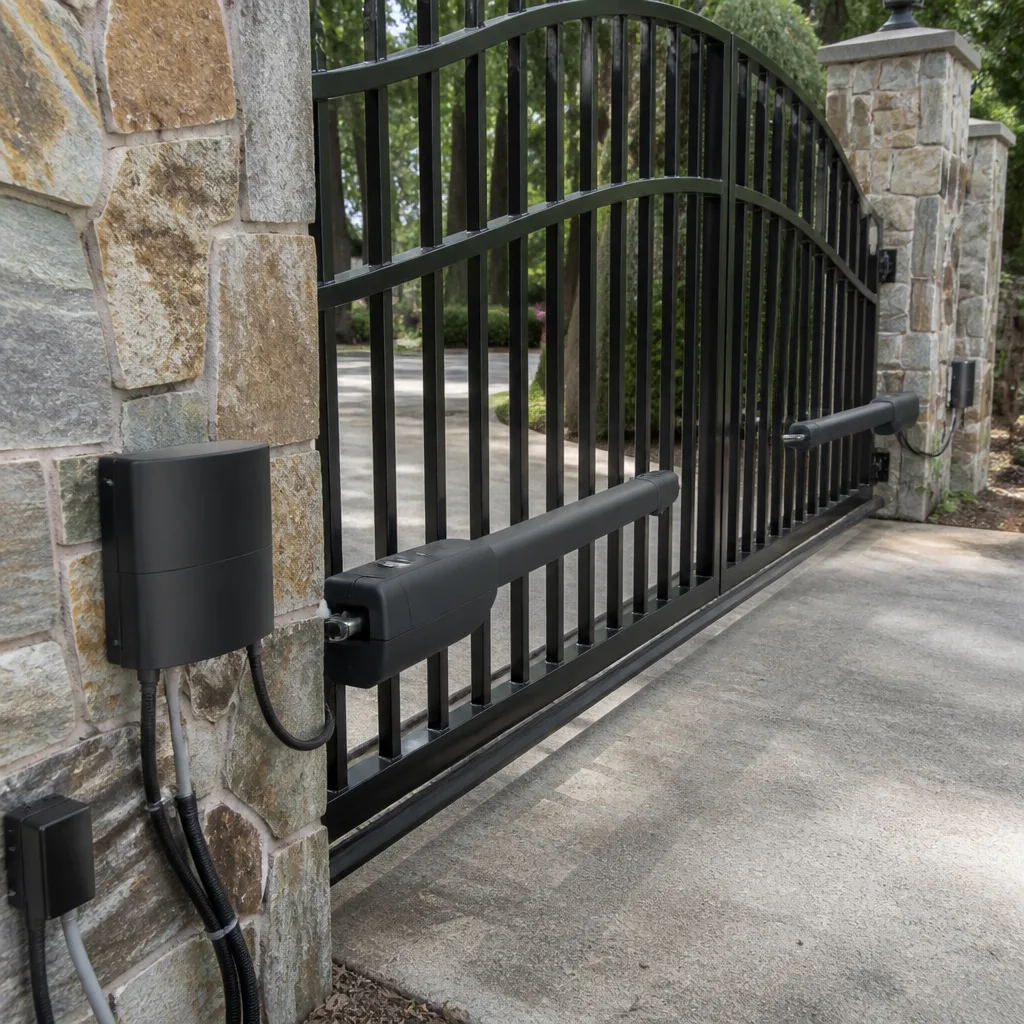 LiftMaster operators
Free on-site gate assessment - hinges, posts, and your LiftMaster or Nice gate operator checked before anything is quoted
The assessment is free and the quote is the invoice.
Get your free estimateThe Complete Gate Motor & Opener Guide for Spring Valley Homeowners
A $400 opener installed in Spring Valley in June and left in direct western sun has about 18 months before it starts throwing errors. Not because it’s cheap, but because nobody spec’d it for the heat load. That is the whole problem in one sentence. Most buying guides are written for a climate that isn’t ours, and a gate weight chart that ignores duty cycle will steer you straight into the wrong unit. This guide is different: it sizes, compares, and explains gate motors for the conditions your driveway actually sits in, from the June sun on a west-facing stucco wall to the monsoon gusts that roll in off the Spring Mountains.
Quick Answer
The right gate motor for a Spring Valley home is one rated for continuous duty (not just a peak-weight number), built to run in 110°F+ ambient heat, and matched to your gate type, wind exposure, and HOA rules. Weight alone tells you almost nothing. What matters here is duty cycle, an enclosure that sheds desert heat, and battery backup for summer outage season. Get those four right and the opener lasts a decade instead of two summers.
Styles & brands we work with
- Wrought iron
- Wood & steel frame
- Farm & ranch
- Sliding driveway gates
- LiftMaster operators
Table of Contents
- How Nevada Summer Heat Actually Kills Motors
- Duty Cycle Ratings: The Number That Matters Most
- Slide vs. Swing: Two Different Sizing Rules
- HOA-Compliant Operators for Spring Valley Communities
- Battery Backup for Summer Outage Season
- Solar-Assisted Operators on West-Facing Gates
- Brands We Service and What Each Is Good At
- Common Mistakes to Avoid
How Nevada Summer Heat Actually Kills Motors
Motor spec sheets list an ambient temperature rating. It’s printed in tiny type on the data plate and almost nobody reads it. That number matters more in Spring Valley than almost anywhere in the country. A unit rated for 104°F ambient is running at the edge of its design on a normal July afternoon here. Put it in a black metal enclosure against a west-facing wall where the surface can hit 140°F, and you’ve got a motor that never gets to cool down.
What actually fails first isn’t the motor windings. It’s usually the control board. Heat cooks the capacitors, and the logic board starts throwing phantom obstructions and limit errors. We’ve seen brand-new openers in the Rhodes Ranch area die in 14 months for exactly this reason.
Three things buy you real margin in our climate:
- Higher ambient rating. Look for 131°F or better on the spec sheet. That gap between 104 and 131 is the entire difference between a unit that survives and one that doesn’t.
- A ventilated enclosure, not a sealed one. Sealed boxes trap heat. Louvered enclosures or open-frame mounts run cooler.
- Shade where you can get it. If the wall your opener sits against gets western sun from 2 p.m. on, either relocate the unit or add a physical sunshade. It sounds simple and it adds years.
The June-through-September stretch here is the test. If your opener is on its third or fourth season and still running smooth, it was spec’d right. If it’s on its second and already fussy, the original installer sold you weight capacity without thinking about heat. That’s the mistake we fix most often across Spring Valley.
Duty Cycle Ratings: The Number That Matters Most
Duty cycle is how many cycles a motor can run per hour without overheating. A gate that opens and closes four times a day needs almost nothing. A gate on a busy shared driveway pushing 60 cycles a day needs a very different unit. Here’s the rough breakdown we use when sizing for a Spring Valley home:
- Residential light (up to 12 cycles/hour): fine for a single driveway gate used a few times a day. These are the units you’ll see at the big-box store.
- Residential heavy (up to 30 cycles/hour): what we usually recommend for Spring Valley homes with regular traffic, guests, or a gate on a road-facing lot.
- Commercial grade (60+ cycles/hour): needed for shared driveways, multi-unit properties, or any gate that sees constant use.
Duty cycle is tied directly to heat. A motor running at 85% of its duty-cycle ceiling generates more internal heat than one running at 50%. In an ambient of 110°F, that creep is what turns a “rated” motor into a toasted one. If your gate runs more than about 15 cycles a day, size up one duty class even if the lighter unit technically fits the weight. Cheap insurance against a failure in August.
There’s a further subtlety most guides skip: continuous duty ratings assume a baseline ambient temperature. When that baseline is 77°F (which is what most spec sheets use), and you’re operating at 115°F, the effective duty cycle drops. Look for a spec sheet that lists temperature derating curves. If it doesn’t, assume the rated capacity is 70% of what’s printed.
Slide vs. Swing: Two Different Sizing Rules
Gate weight alone is an incomplete spec. Here’s why. A 400-pound slide gate and a 400-pound swing gate need different motors entirely, because the physics of moving them is different.
Slide gates: the motor pulls weight horizontally along a track or roller. The critical numbers are total gate weight, weight of the leading edge, and track condition. A slide gate on a dirty track or worn rollers gets 30-40% more resistance than one on a fresh rail. We’ve seen a 200-pound slide gate loaded up with sand from a spring dust storm that pulled more amp draw than a clean 400-pound gate. Track condition is half the sizing.
Swing gates: the motor has to overcome leverage, gate width, hinge condition, and wind load. A 12-foot single swing gate in a stiff wind acts like a sail. Sizing for that gate assumes still air, which does not exist in Spring Valley on an August afternoon. Wider gates mean bigger motors, and dual-leaf gates often need two operators or a single heavy-duty unit with a slave arm.
Gate width matters as much as weight. A 14-foot swing gate with a 300-pound panel is a much harder load than a 10-foot gate with the same panel weight, because of the leverage. Anyone who quotes you a motor based on weight alone has skipped the sizing. Ask for the width, weight, hinge condition, and wind exposure in the spec. If the person on the phone doesn’t ask those questions, that’s your answer about whether to hire them.
We size every installation this way at Gate Motor & Opener in Spring Valley, and we’ll tell you when a repair makes more sense than a replacement.
HOA-Compliant Operators for Spring Valley Communities
Spring Valley has a lot of HOAs, and a lot of those HOAs have very specific rules about what your gate operator looks like. Some require a specific enclosure color. Some forbid exposed hydraulic arms on swing gates. Some require the operator to be entirely hidden from the street. Ignore the HOA and you’ll be pulling the unit back out in six months.
What actually works in Spring Valley HOA communities:
- Underground or in-ground operators for swing gates on front driveways, where the HOA requires a clean look. These hide entirely in a vault below grade.
- Column-mounted or pillar-mounted operators that match the gate’s finish. Brands like FAAC and BFT offer enclosures in matching colors.
- Quiet chain-drive or belt-drive units for any gate within 50 feet of a neighbor’s bedroom window. Loud units get complaints, and HOA complaints get followed by deadlines.
- Access control integration. Many Spring Valley HOAs require keypad or phone-app entry. Make sure the operator has the input terminals for the access control you’ll need.
Read your HOA CC&Rs before you buy. Or call us and we’ll read them with you. The number of Spring Valley installations that get undone because nobody checked the HOA docs is embarrassing, and we’d rather catch it before you’ve paid for the wrong unit. The Gate Installation in Spring Valley page has more on planning a new install from the ground up.
Battery Backup for Summer Outage Season
NV Energy has a real summer, and the outages during monsoon season are real too. Rolling heat outages, storm-related grid drops, and the occasional blown transformer in an older pocket of Spring Valley will take your gate offline for hours. If the gate is your only access point, that’s an hours-long problem.
Battery backup solves it, but not all battery backup is equal. Here’s what to look for:
- Deep-cycle battery, not a starter battery. Deep-cycle batteries handle repeated full discharges. A car-start battery dies after a handful of outages.
- Backup capacity for 2-3 days minimum. If your gate sees 10 cycles a day, size the battery for at least 30 cycles without grid power.
- Battery health monitoring. A unit that beeps when the battery is failing is worth the extra money. Silent failure means you find out during the next outage.
- Solar-charged battery backup (see next section) if the gate is far from any AC source.
Replace the backup battery every three years in our heat. Four years is the outer limit before you’re gambling. We’ve seen a five-year-old battery that “worked fine” fail on the first outage of the season and cost a Spring Valley homeowner a service call to reset a gate they couldn’t get through. Cheap fix, worth doing on a schedule.
Solar-Assisted Operators on West-Facing Gates
West-facing gates in Spring Valley are a solar operator’s dream and a maintenance headache at the same time. The dream part: a west-facing installation gets direct sun from noon until sunset, which is peak production hours. The headache part: that same direct sun is what heats the enclosure and the battery to failure. Getting solar right on a west-facing Spring Valley gate is a two-part problem.
Panel sizing. Most solar gate operators ship with a panel that’s undersized for a full summer load. A small 10-watt panel keeps a trickle on the battery and that’s all. For a Spring Valley gate running 10-15 cycles a day with battery backup, we’re usually looking at 30W minimum, and 50W on a longer gate or one with heavier daily traffic. The panel has to be able to run the gate and fully recharge the battery on a single sunny day. If it only runs the gate, the battery is slowly dying.
Panel placement. Tilt the panel at roughly 30 degrees facing south/southwest to catch the most sun during peak hours. Place it away from the enclosure so it doesn’t radiate heat back onto the battery. In a west-facing Spring Valley gate, the difference between a 30-degree tilt and a flat mount is often 20-30% more production on a June day.
Brands like Ghost Controls and Mighty Mule make solar-ready operators that fit a Spring Valley install well. If you’re going solar, ask for the panel wattage and the recovery time from full discharge to full charge. That recovery time is the number that tells you whether the system works on a real Spring Valley summer.
Brands We Service and What Each Is Good At
We’re certified to service nine major gate brands, and they are not interchangeable. Here’s a quick orientation on which brand fits which Spring Valley use case:
- LiftMaster: the most common residential drive and swing operator we see. Reliable, well-supported, and easy to get parts for.
- FAAC: excellent for HOA-compliant swing gates and heavier duty residential installs. Common in Spring Valley communities with strict aesthetic rules.
- BFT: strong on slide gates and heavier loads. Good duty cycle options.
- Viking: solid mid-tier residential operator. Fine for standard single driveway gates.
- Ghost Controls: the go-to for solar-ready and rural installs. Simple, and good for gates with no AC power available.
- DoorKing: the standard for access control and shared-driveway operators. If you’re in a community with multiple residents on one gate, this is the brand.
- Elite: commercial-grade residential. Excellent duty cycle.
- Linear: reliable for basic residential use.
- Mighty Mule: budget-friendly and easy to install. Fine for a light-duty gate, but check the duty cycle carefully if your gate sees real traffic.
Every one of those brands is serviceable. If a company tells you they can only work on one brand, they’re not a gate specialist, they’re a specific-brand installer. Our Gate Repair in Spring Valley service covers all nine because that’s what a homeowner needs when the gate quits.
Common Mistakes to Avoid
- Sizing on weight alone. Weight is half the spec. Width, wind exposure, track condition, and duty cycle are the other half. Anyone quoting you a motor from weight alone will get it wrong on a wide swing gate.
- Buying the cheapest unit that fits. The cheap unit fits the weight chart and dies in two summers in Spring Valley heat. The right unit costs more upfront and costs less per year of use.
- Ignoring the ambient rating. A 104°F-rated motor is a Las Vegas fail. Read the spec sheet or ask the installer to read it back to you.
- Sealed enclosures in direct sun. A sealed box against a west-facing wall is an oven. Ventilated is not a luxury in our climate, it’s a requirement.
- Solar panels that only trickle. A 10W panel on a 15-cycle-a-day Spring Valley gate is a false economy. Size the panel to run the gate and recharge the battery.
- Skipping the HOA check. The prettiest operator in the world gets pulled out if it doesn’t match your Spring Valley CC&Rs. Check first, install once.
- Delaying the battery replacement. Backup batteries in our heat last three years, not five. Replace on schedule or you’ll discover the failure during the first outage of monsoon season.
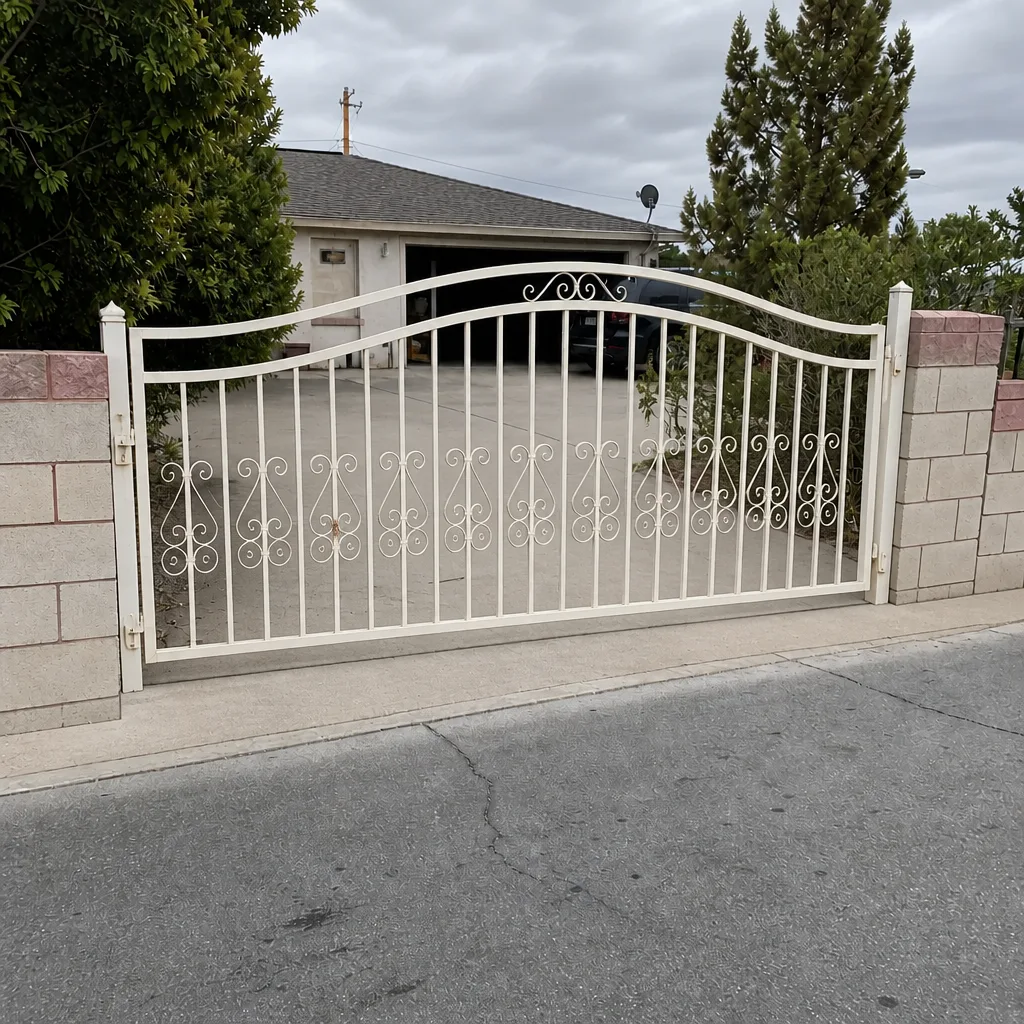
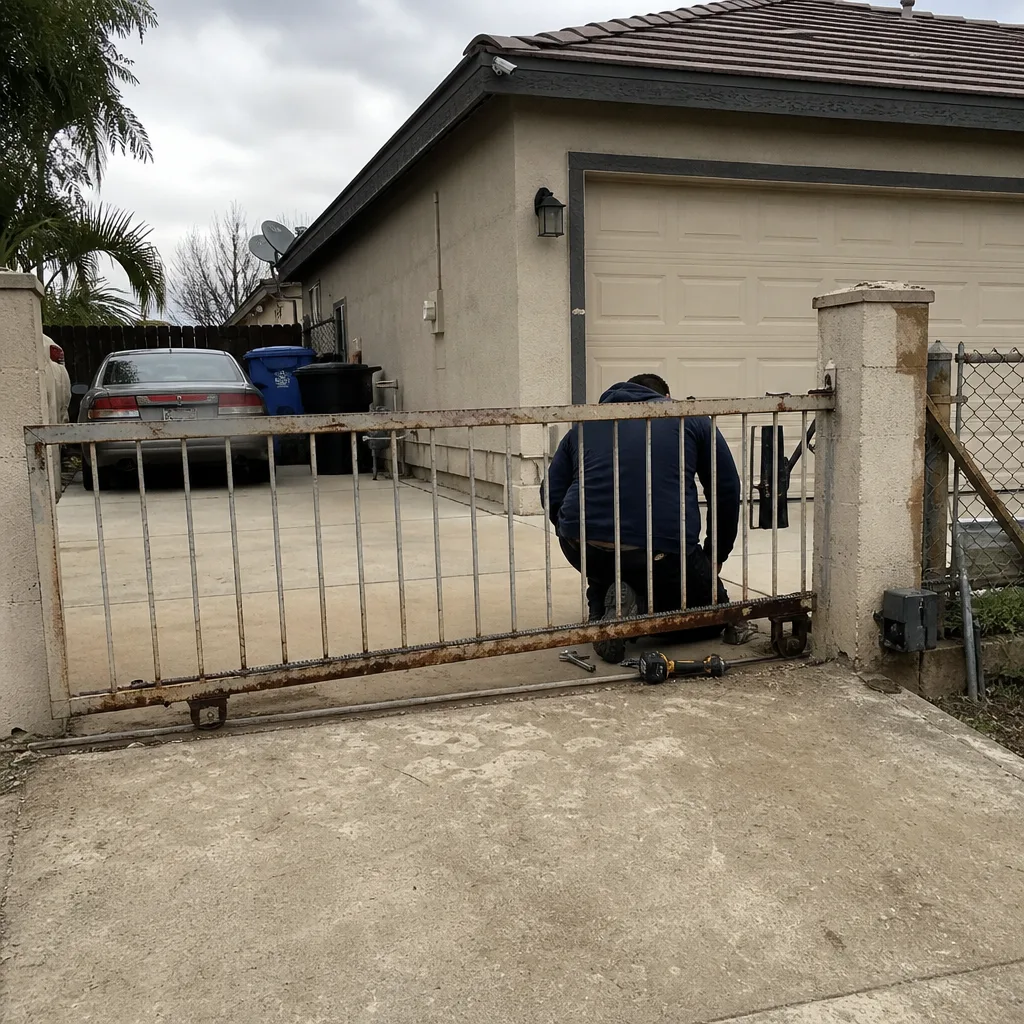
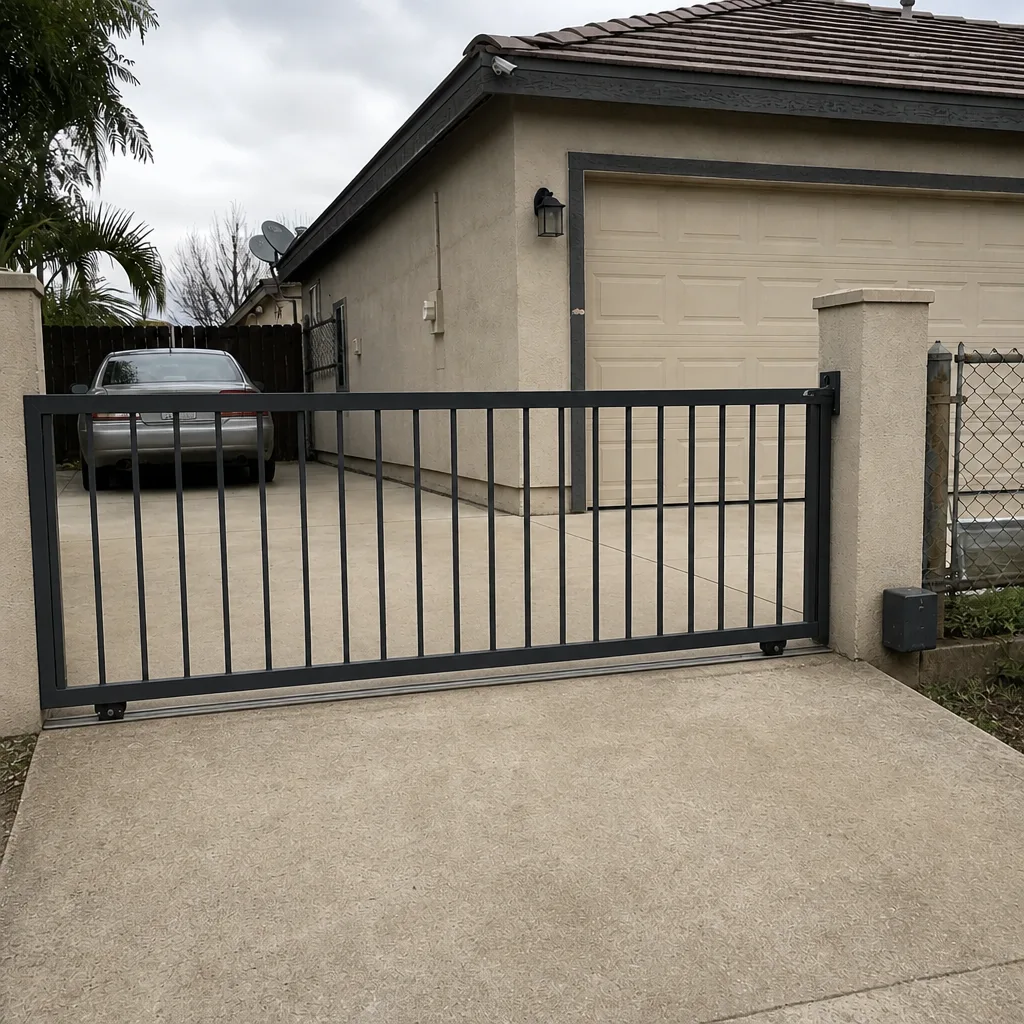
See the difference
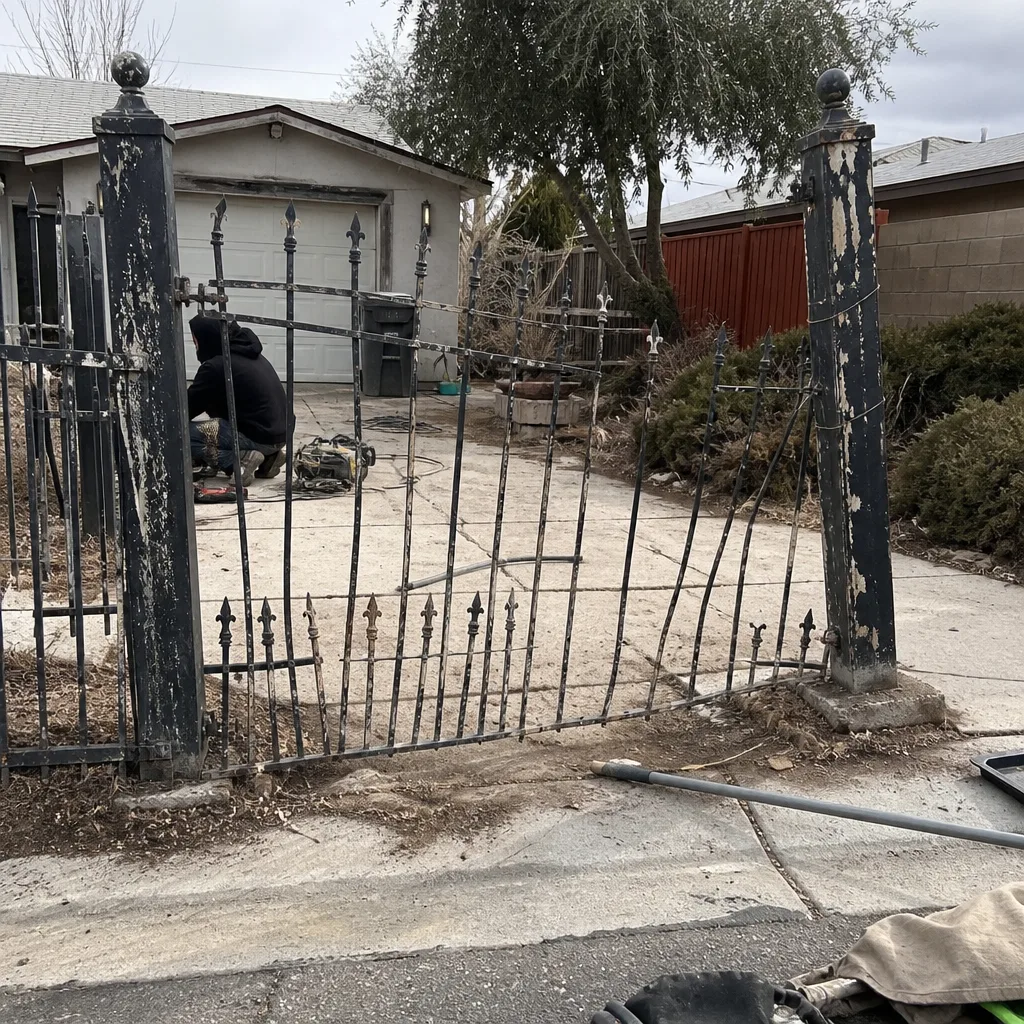 Before
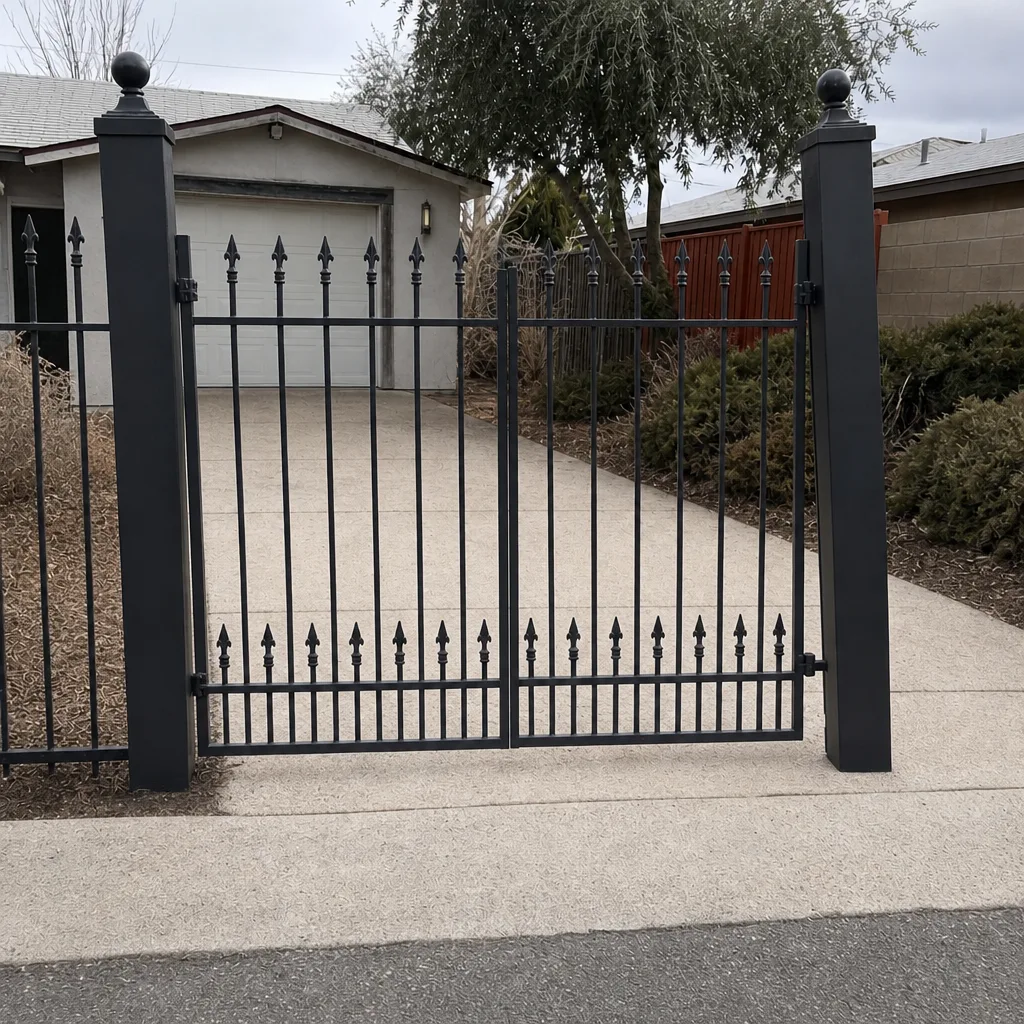 After
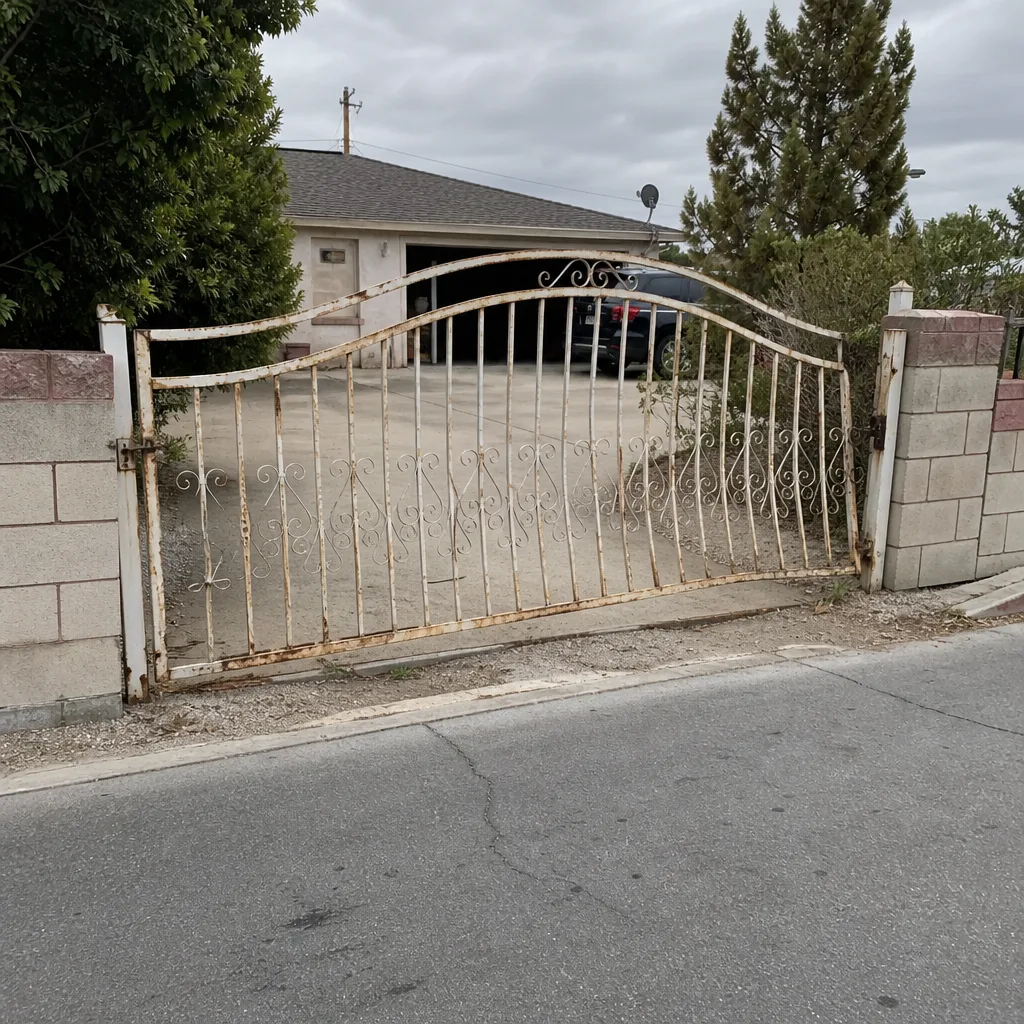 Before
 After
 Before
 After
When to Call a Professional
Some gate motor work is install-only, and some of it is dangerous enough to warrant a pro every time. Any work on the high-voltage supply line, the control board’s power feed, or the electrical panel is not a homeowner job. Same with anything involving a commercial-grade operator, a shared driveway, or a gate holding back something heavy. If your gate has gotten physically stuck, if the motor is grinding, if the control board is throwing errors, or if the unit is on its third service call in six months, that’s a “call today” situation rather than a “watch it for a while” one. If your gate sags in the hinge post rather than in the middle, that’s often a structural issue that shows up as a motor problem. And if you’re buying a new operator in Spring Valley and you’re not certain about the sizing, get a second opinion before you spend the money. Gatewood Fence & Gate Spring Valley offers free estimates in Spring Valley. Call (888) 300-3906.
Frequently Asked Questions
A residential gate operator installed in Spring Valley typically runs $1,200-$2,800 for a standard swing or slide gate, depending on weight, width, duty cycle, and access control. A commercial-grade unit for a shared driveway runs higher, often $3,500-$6,000 installed. Solar-ready and battery-backup units sit in the middle of those ranges. We quote the price in writing before any work starts, and the number on the invoice matches the number on the quote. Call (888) 300-3906 for an exact quote; estimates are free.
A properly spec’d opener on a Spring Valley gate lasts 8-12 years. A cheap unit sized only on weight often fails in 18 months to two years because of the heat load. The difference between the two is nearly always the ambient temperature rating and the duty cycle, not the brand name. Read the spec sheet before you buy.
Yes, and west-facing gates in Spring Valley are actually a good solar candidate because they get direct afternoon sun. The catch is that the panel has to be big enough to run the gate and fully recharge the battery on one sunny day. For most Spring Valley residential gates, that’s 30W minimum, 50W on a longer gate or one with heavier traffic. Undersized panels leave the battery slowly dying.
Yes if the gate is your only access point. Summer outages in the valley are real, and a gate that won’t open until the grid comes back is an hours-long problem. Size the battery for 2-3 days of normal gate use without power. Replace it every three years in our heat, not five.
Slide gate motors are sized on gate weight and track condition. Swing gate motors are sized on gate weight and gate width, because leverage matters more than mass. A 12-foot swing gate with a 300-pound panel is a much harder load than a 10-foot gate at the same weight. Ask for the width, weight, and wind exposure in the sizing, not just the weight.
We service every major brand, including LiftMaster, FAAC, BFT, Linear, Viking, Ghost Controls, DoorKing, Elite, and Mighty Mule. About 7 out of 10 units we’re called out for replacement can be repaired. Fix the panel without the post and you’ll fix it twice, so we weld and repair on site when that’s the right answer. Call (888) 300-3906 for a free second opinion on any written estimate.
The Bottom Line
The right gate motor for a Spring Valley home is the one spec’d for our climate, not for a weight chart. Duty cycle matters more than weight. Ambient temperature rating matters more than brand. Enclosure ventilation matters more than the number printed on the box. Solar and battery backup make sense here because outages and west-facing sun are both real. Start with the spec sheet, check the HOA rules, size for the summer, and you’ll get a decade out of the unit. Skip those steps and you’re buying the $400 opener that fails in 18 months. We’ve seen both, and the fix is not complicated: size it for Spring Valley.
Looking for a name on the shop and on the invoice? Our team at Gatewood Fence & Gate Spring Valley is happy to help. Visit us at Gatewood Fence & Gate Spring Valley home to see what else we do, and call (888) 300-3906 for a free estimate on your gate motor or opener project today.
Written by the team at Gatewood Fence & Gate Spring Valley.